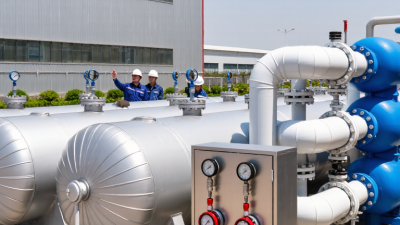
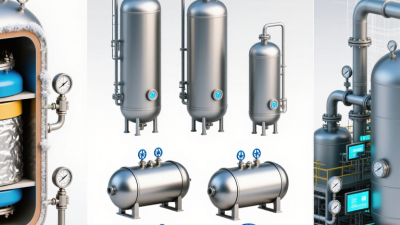
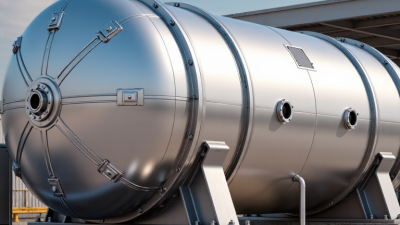
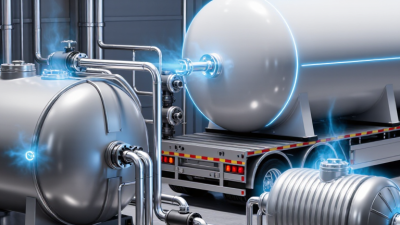
Liquid hydrogen tanks look simple from the outside: a steel shell, pipes, valves, and a layer of insulation. The difficult work happens inside. Hydrogen must remain near −253°C, so the tank needs a carefully engineered inner vessel, an outer jacket, and insulation that limits heat leaks. Even a small leak can warm the liquid and create boil-off gas.
“Hydrogen is a clean fuel that, when consumed in a fuel cell, produces only water,” says Dr. Sunita Satyapal, a longtime leader in the U.S. Department of Energy’s hydrogen programs. That clean use comes with a demanding storage challenge. Materials must withstand extreme cold, while welds, seals, sensors, and pressure controls need close attention. Each part adds cost, testing, and manufacturing time. Small details matter.
Scale adds another layer. A road vehicle, a ship, and a stationary storage facility need different tank shapes, capacities, and safety systems. Manufacturers cannot always rely on mass production to lower prices. They also have to manage insulation performance, inspection access, and transport constraints. The economics are less tidy than a simple price-per-gallon comparison suggests. And the tank is only part of the bill. Installation, maintenance, and boil-off management also count. A careful cost estimate should separate these items, rather than treating every liquid hydrogen tank as the same product. There is no single answer. The engineering choices behind each tank explain why the price can remain high—even when the outer shell looks surprisingly ordinary.
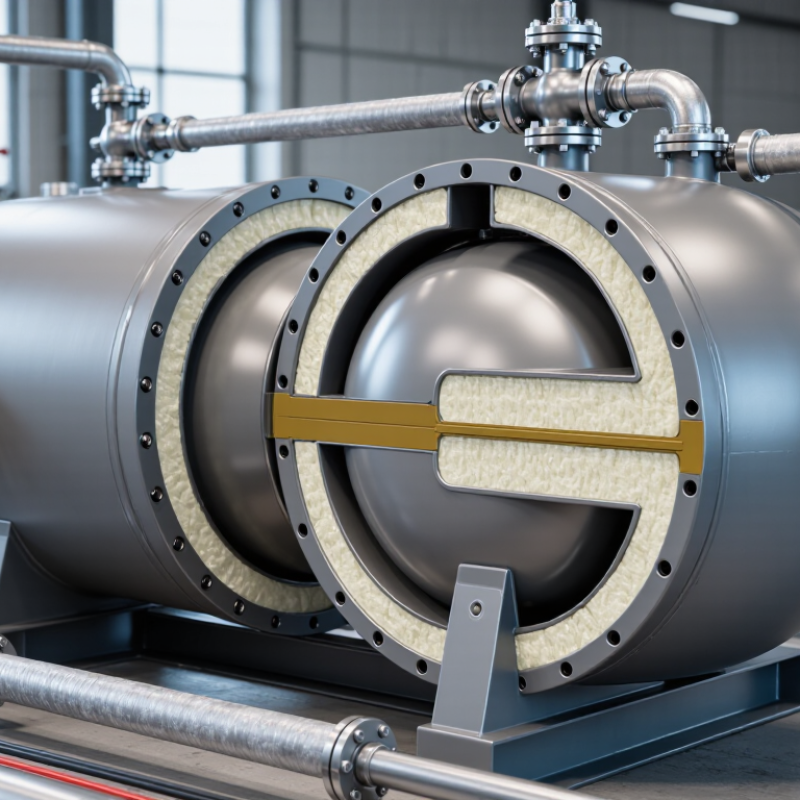
Liquid hydrogen is stored near 20.3 kelvin, according to NIST phase data. At that temperature, its density is about 71 kilograms per cubic metre. That is far denser than hydrogen gas, yet still demands large, carefully insulated vessels. The U.S. Department of Energy’s hydrogen delivery analyses put liquefaction energy use at roughly 10–13 kilowatt-hours per kilogram. Cooling the gas is costly before storage even begins.
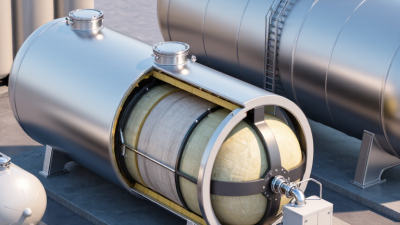
A typical tank uses an inner vessel, an outer shell, vacuum insulation, and reflective layers. Supports and pipes must cross the insulation, creating thermal bridges where heat can leak inward. Even small heat inputs can evaporate some hydrogen. The resulting boil-off depends on tank size, insulation quality, and storage time; it cannot be reduced to one universal rate. That detail matters.
Tank designers also manage contraction during cooldown, pressure rise, and material behavior at cryogenic temperatures. A vessel may look quiet outside while temperature gradients stress its walls and connections. DOE’s Hydrogen Delivery Scenario Analysis Model treats liquefaction and storage as significant delivery-cost factors. Yet energy figures alone do not explain every project’s cost: operating conditions and required hold time change the design. Designers still choose compromises, and some are uncomfortable ones.
| Property or Challenge | Representative Data | Engineering and Cost Implications |
|---|---|---|
| Normal boiling temperature | About 20.3 K (−252.9 °C) at 1 atmosphere | The tank and its piping must remain cryogenic. This requires specialized materials, seals, fabrication procedures, and careful thermal design. |
| Liquid density | About 70.8 kg/m³ near the normal boiling point | Liquid hydrogen stores relatively little mass in a given volume, so tanks are bulky for the amount of hydrogen they hold. Larger vessels need more structure and insulation. |
| Mass-based energy content | Lower heating value is about 120 MJ/kg | Hydrogen has high energy per unit mass, but its low liquid density means that tank volume, rather than fuel mass alone, is a major design constraint. |
| Heat of vaporization | About 446 kJ/kg at the normal boiling point | Heat entering the tank can vaporize liquid and raise pressure. Designers must limit heat leak and provide suitable pressure-management and venting provisions. |
| Heat ingress and insulation | Heat enters through radiation, gas conduction, supports, pipes, and fittings | High-performance systems commonly use a vacuum space and reflective insulation. Vacuum jackets, layered insulation, and low-conductivity supports add materials, manufacturing steps, and inspection requirements. |
| Boil-off and pressure control | Boil-off depends on tank size, insulation, operating conditions, and storage duration; there is no single rate that applies to every tank | Vapor may need to be recovered, used, re-liquefied, or safely vented. Valves, instrumentation, piping, and pressure-relief systems increase system complexity. |
| Material behavior at cryogenic temperatures | Many ordinary materials lose toughness or become unsuitable at temperatures near 20 K | Materials and welds must retain adequate strength and fracture resistance at cryogenic temperatures. Qualification, specialized fabrication, and non-destructive inspection add cost. |
| Hydrogen leakage and permeation | Hydrogen molecules are small and can escape through imperfect joints or unsuitable seals | Joints, valves, seals, and penetrations require careful design and leak testing. Additional sensors and ventilation measures may be needed in enclosed installations. |
| Ortho–para conversion | Hydrogen changes toward its low-temperature equilibrium composition during cooling, releasing heat | If conversion is not sufficiently managed during liquefaction and storage, the released heat can increase vapor generation. Liquefaction and storage processes must account for the conversion. |
| Fire and operational safety | Hydrogen is flammable in air over an approximate concentration range of 4–75% by volume | Safe installations require controls for leaks, ignition sources, ventilation, detection, separation distances, and emergency venting. These measures add equipment and site requirements. |
| Overall cost drivers | Cost depends on capacity, pressure rating, duty cycle, transport requirements, and applicable codes | The vessel is only one part of the system: vacuum insulation, supports, cryogenic piping, valves, instrumentation, safety systems, testing, and installation all contribute to total cost. |
Note: Figures are representative values for liquid hydrogen near its normal boiling point. Actual design values and costs vary with operating pressure, tank size, service conditions, and regulatory requirements.