Blog

How to Choose the Best Liquid Hydrogen Storage Tank for Your Needs?

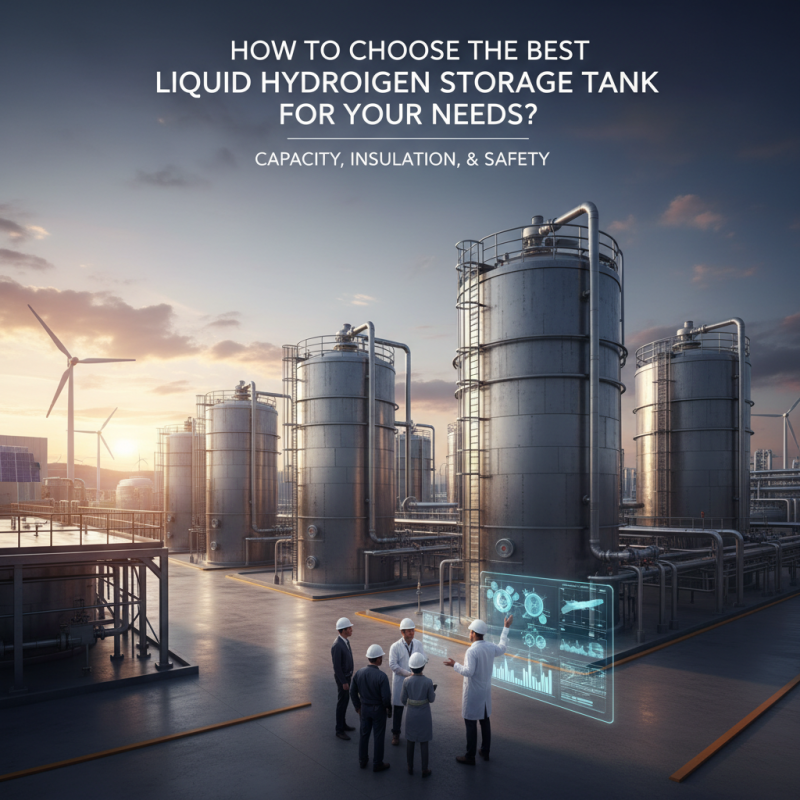
Choosing the right liquid hydrogen storage tank is crucial for various industries. John Smith, a leading expert in hydrogen technology, states, "Selecting the proper tank can significantly impact safety and efficiency." When considering a liquid hydrogen storage tank, several factors come into play.

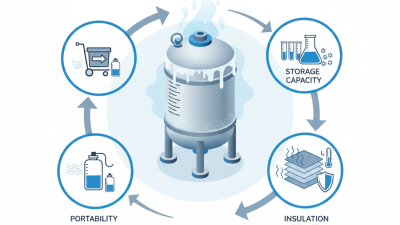
Capacity, insulation design, and safety features are vital to ensure optimal performance. A well-designed tank can maintain low temperatures and minimize vapor loss. However, some tanks may have drawbacks, like limited storage space. Evaluating these aspects is essential for making an informed decision.

Industry demands are also evolving. New technologies emerge regularly, which can change the landscape for liquid hydrogen storage. It’s important to stay updated and be ready to adapt. Understanding your specific needs is key. This careful approach will lead to effective utilization of liquid hydrogen storage tanks for your operations.
How to Choose the Best Liquid Hydrogen Storage Tank for Your Needs?

Understanding Liquid Hydrogen Storage Requirements

Understanding liquid hydrogen storage requirements is crucial for efficiency and safety. Liquid hydrogen (LH2) has a low boiling point of -253°C. It needs specialized tanks to remain in liquid form. Daily storage typically ranges from 1000 to 20,000 liters. The capacity directly affects your operational output and safety protocols.

Selecting the right tank requires attention to density and thermal insulation. LH2's density is about 70.8 kg/m³. This means choosing a tank built with advanced thermal insulation is vital to minimize boil-off losses. Reports indicate that even well-insulated tanks can experience as much as 0.1% to 2.0% boil-off per day, depending on external temperatures. This could lead to significant losses over time, affecting efficiency.

Furthermore, safety standards are paramount. Tanks should comply with standards set by organizations like the American Society of Mechanical Engineers (ASME). They focus on pressure relief, structural integrity, and proper materials. This ensures that the tanks handle the extreme conditions.

Each application has unique challenges requiring tailored solutions. Factors such as location, intended use, and transportation logistics must be fully evaluated. As technologies evolve, there's a need for continuous reflection on safety practices and innovative designs to enhance performance.
Comparison of Liquid Hydrogen Storage Tank Capacities

Factors Influencing Liquid Hydrogen Tank Design

When selecting a liquid hydrogen storage tank, understanding specific design factors is crucial. One key element is insulation. Effective insulation minimizes heat transfer, which helps maintain the liquid state of hydrogen. Poorly insulated tanks can lead to increased evaporation rates. This can compromise efficiency and lead to safety concerns.

Another important factor is the material construction. Tanks must withstand the extremely low temperatures of liquid hydrogen. Materials like stainless steel and specialized alloys are common. However, each material has its own advantages and drawbacks. Carefully consider durability and cost-effectiveness.

Tank capacity is also significant. A larger capacity may seem beneficial, but it can complicate logistics. Storage space and transport needs must align with your operational requirements. Furthermore, safety mechanisms must be evaluated. Pressure relief valves and monitoring systems are essential for safe operation. Reflect on your specific needs and potential shortcomings in current options. Each choice carries its own set of challenges.

Comparative Analysis of Different Storage Tank Materials

How to Choose the Best Liquid Hydrogen Storage Tank for Your Needs?

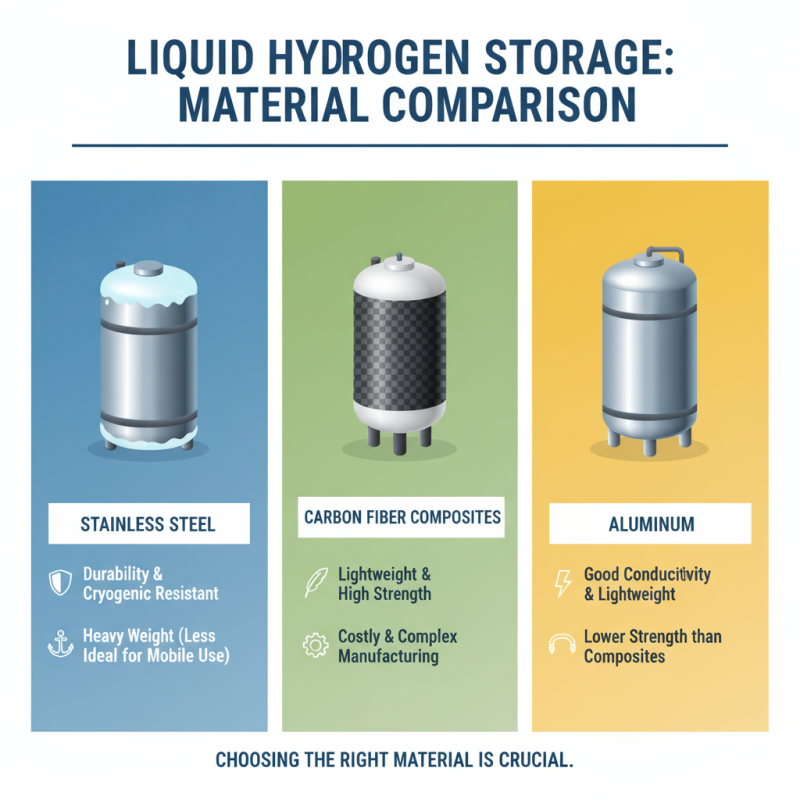
When selecting a liquid hydrogen storage tank, understanding the materials involved is crucial. Common materials used include stainless steel, carbon fiber composites, and aluminum. Stainless steel tanks offer durability and resistance to cryogenic temperatures but can be heavy. The increased weight may not be ideal for certain applications.

Carbon fiber composites stand out for their lightweight and high strength. According to a report by the Hydrogen and Fuel Cell Technical Advisory Committee, these tanks can reduce weight by up to 50% compared to traditional materials. However, they come with higher production costs and require careful handling due to potential brittle failure. This trade-off between weight and cost needs thoughtful consideration.

Aluminum tanks are a popular choice due to their balance of cost and performance. They offer reasonable durability and are easier to manufacture. Yet, aluminum has limitations in thermal efficiency, potentially leading to higher energy losses in storage. The choice of material significantly impacts both performance and safety, making the decision process complex. Users must evaluate their specific needs, considering operational, financial, and safety factors.

Safety Considerations for Liquid Hydrogen Storage

When selecting a liquid hydrogen storage tank, safety is paramount. Liquid hydrogen is highly flammable and can pose serious risks if not handled properly. Proper materials, such as carbon fiber composites and stainless steel, are essential. These can withstand the extreme temperatures of liquid hydrogen. Regular maintenance checks are vital to ensure the integrity of the tank and its components.


Leak detection systems are crucial for safety. These systems monitor the tank for any signs of hydrogen leakage. Early detection can prevent catastrophic events. It's important to also consider the tank's placement. Tanks should be located away from ignition sources and within safe distances from buildings. Venting mechanisms must be in place. These allow for the safe release of hydrogen in case of pressure build-up.


Even with thorough precautions, human error can occur. Training personnel is essential to make sure they understand the potential dangers. Regular drills can help prepare the team for emergency scenarios. Operators should feel empowered to report safety concerns. Only through constant vigilance can one truly ensure a safe environment for liquid hydrogen storage.

Guidelines for Maintenance and Inspection of Hydrogen Tanks

Regular maintenance and inspection of liquid hydrogen storage tanks are crucial for safety. Hydrogen is highly flammable and sensitive to leaks. Therefore, a consistent inspection schedule is essential. Look for signs of wear or damage, particularly around seals and valves. Pressure gauges should be closely monitored. Minor issues can lead to serious problems if neglected.

Tips: Check tank insulation regularly. This helps maintain the desired temperature for liquid hydrogen. Use sensors to detect potential leaks early. Establish a routine that includes both visual checks and systematic testing.

Training personnel on proper handling procedures is also vital. Everyone should be aware of hydrogen properties. This knowledge reduces risks during maintenance. Reflections on past incidents can improve practices.

Tips: Keep documentation of all inspections and maintenance work. Analysis of past records can highlight recurring issues. Regular updates to protocols help adapt to new safety standards.

How to Choose the Best Liquid Hydrogen Storage Tank for Your Needs? - Guidelines for Maintenance and Inspection of Hydrogen Tanks

Dimension Specification Maintenance Guidelines Inspection Frequency
Capacity 1000 liters Inspect seals and valves for leaks Monthly
Material Stainless Steel Check for corrosion Quarterly
Pressure Rating 300 psi Test pressure safety valves Every 6 months
Temperature Range -253°C to -196°C Monitor temperature readings Weekly
Weight 500 kg Check structural integrity Annually