Top Liquid Hydrogen Storage Tank Manufacturers Worldwide
Choosing a reliable liquid hydrogen storage tank requires more than comparing capacity or purchase price. These systems must preserve hydrogen near 20 kelvin, where even small heat leaks can increase boil-off and pressure. Vacuum-jacketed walls, multilayer insulation, supports, valves, and instrumentation all influence real performance.
James E. Fesmire, a NASA cryogenic technology expert, offers a useful engineering reminder: “A cryogenic system is only as good as its weakest thermal link.” That principle guides this review of top liquid hydrogen storage tank manufacturers worldwide. The comparison considers manufacturing experience, tank design, thermal efficiency, safety testing, customization, maintenance support, and demonstrated project capability. A polished brochure is not enough. Field evidence matters more.
The strongest manufacturers understand difficult details. A tank may look efficient in a factory, yet perform differently after transportation, installation, repeated filling, and changing ambient temperatures. Buyers should examine boil-off data, pressure-control methods, material traceability, and inspection procedures. They should also ask how suppliers handle unexpected operating conditions.
This market is advancing, but it is not flawless. Public performance data can be uneven. Some claims remain difficult to compare across manufacturers. That weakness deserves attention, not easy dismissal. Our overview therefore focuses on verifiable engineering factors and practical selection concerns. It aims to help energy companies, aerospace organizations, laboratories, and infrastructure planners identify suppliers with credible experience. The best choice is rarely the largest name. It is the manufacturer that consistently manages heat, pressure, materials, and human oversight.
Liquid Hydrogen Storage Tank Manufacturing: Industry Overview
Liquid hydrogen storage tank manufacturing is becoming more important as hydrogen projects expand beyond laboratory use. The International Energy Agency’s Global Hydrogen Review 2024 estimates that global hydrogen demand reached almost 100 million tonnes in 2023. However, low-emissions hydrogen still represented less than 1% of production. This gap limits near-term demand for large cryogenic tanks, although transport, aerospace, and industrial projects continue to create specialized opportunities.
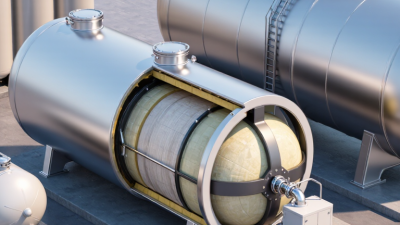
Manufacturers build these tanks for temperatures near -253°C. They typically use stainless steel or aluminum alloys, multilayer insulation, and vacuum-jacketed walls. A tank may look simple outside. Inside, small design errors can increase heat leakage and hydrogen boil-off. The U.S. Department of Energy identifies insulation performance, pressure control, and reliable transfer systems as key development priorities for liquid hydrogen infrastructure. Factory testing must therefore examine weld quality, vacuum stability, pressure cycling, and emergency venting.
The Hydrogen Council’s Hydrogen Insights 2024 report shows that announced hydrogen projects continue to grow, but many remain pre-investment. That uncertainty affects tank sizing and production planning. Some forecasts appear overly confident. A practical manufacturer should offer modular designs, documented material traceability, and inspection records that support ISO 21009 requirements. Digital monitoring can track pressure, temperature, and vacuum changes during storage. Yet sensors may fail in harsh conditions. Human inspection still matters, especially before commissioning and after repeated filling cycles.
Key Criteria for Evaluating Global Storage Tank Manufacturers
Evaluating global liquid hydrogen storage tank manufacturers starts with evidence, not polished brochures. Experienced engineering teams inspect design calculations, material certificates, and production records. The inner vessel should tolerate extreme cold, pressure changes, and repeated thermal cycling. Vacuum insulation also deserves close attention because small performance losses can increase hydrogen boil-off. Ask for measured data.
A reliable manufacturer explains its testing process clearly. Look for pressure tests, leak checks, vacuum decay results, and documented quality inspections. Independent certification and compliance with applicable cryogenic standards strengthen technical credibility. However, certificates alone are not enough. Review how inspectors are qualified and whether test records remain traceable to each tank.
Site conditions often expose weaknesses. Compare the supplier’s design with transport limits, foundation loads, filling frequency, weather, and emergency access. A strong manufacturer provides maintenance schedules, spare-part planning, operator training, and responsive technical support. Speak with previous users when possible, but verify their claims with records. No scorecard is perfect. A supplier may offer excellent insulation yet lack regional service capacity. Another may provide fast delivery but limited customization. That tradeoff deserves honest documentation, not optimistic assumptions. Look beyond price. Consider lifecycle cost, downtime risk, inspection access, and future expansion. The most dependable choice is usually the manufacturer that welcomes difficult questions and supports its answers with consistent, verifiable data.
Top Liquid Hydrogen Storage Tank Manufacturers Worldwide
Key Criteria for Evaluating Global Storage Tank Manufacturers
This weighted evaluation framework focuses on the technical, safety, compliance, and lifecycle factors that are most relevant when comparing liquid hydrogen storage tank manufacturers. The criteria reference widely used industry practices and standards, including ASME pressure-vessel requirements, ISO 21009 cryogenic vessel guidance, hydrogen compatibility, vacuum-insulation performance, and lifecycle service capability. The percentages represent an evaluation model rather than company-specific performance scores.
Leading Liquid Hydrogen Tank Manufacturers by Region
Top Liquid Hydrogen Storage Tank Manufacturers Worldwide
Regional capability strongly shapes liquid hydrogen tank manufacturing. North American producers often serve aerospace, mobility, and industrial gas projects. Their designs emphasize vacuum insulation, rapid pressure control, and transport resilience. Liquid hydrogen boils near 20.3 K, while its density is only about 71 kg/m³, according to NIST data. That combination makes thermal leakage a costly engineering problem.
Europe is developing tanks for ports, refueling corridors, and renewable hydrogen hubs. The European Hydrogen Observatory reports continued growth in planned hydrogen infrastructure, although project completion remains uneven. Manufacturers in this region commonly align designs with ISO 21009 and European pressure equipment requirements. Certification matters. So does field service.
Asia-Pacific has a different demand pattern. Japan and South Korea prioritize compact storage for mobility and imported hydrogen supply chains. China is expanding large industrial and transport applications, with regional standards still evolving. The International Energy Agency reported global hydrogen demand of almost 100 million tonnes in 2023, mostly from established industries. Yet only a small share used low-emissions production, so storage growth may not be immediate everywhere.
A practical comparison should examine tank volume, boil-off rate, vacuum life, inspection access, and delivery distance. The cheapest quotation can become expensive after repeated venting losses. That lesson is easy to miss. Regional rankings also remain imperfect because public production data rarely separates liquid hydrogen tanks from broader cryogenic equipment.
Tank Designs, Materials, and Cryogenic Technologies
Top Liquid Hydrogen Storage Tank Manufacturers Worldwide
Tank Designs, Materials, and Cryogenic Technologies
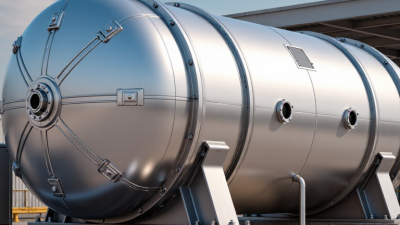
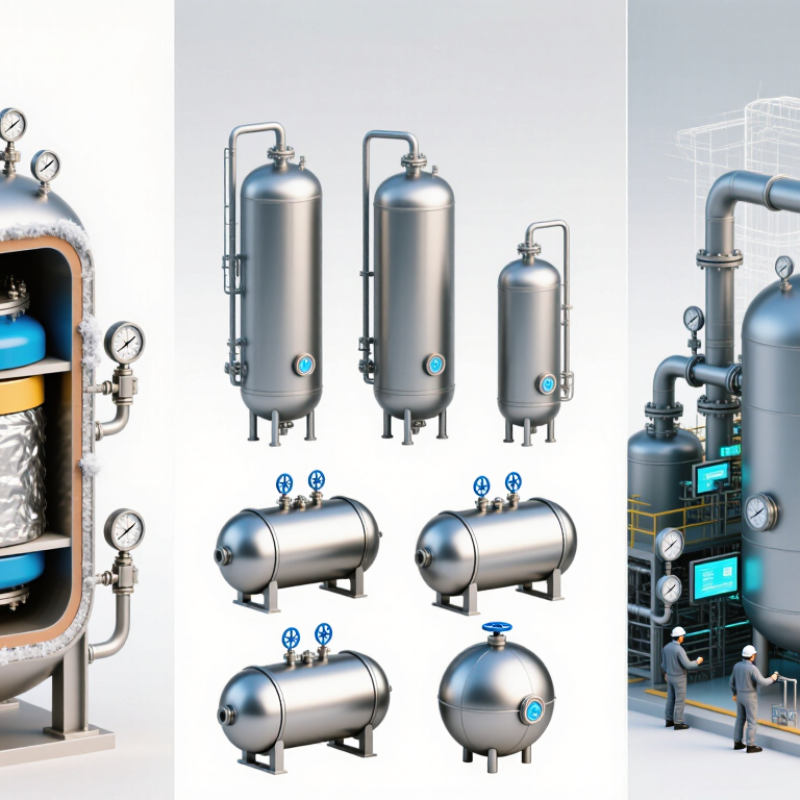
Liquid hydrogen tanks operate near 20 kelvin, where small design errors can create major thermal losses. Most large systems use double-wall construction with a vacuum space between shells. Cylindrical tanks suit transport and industrial sites, while spherical tanks reduce surface area and improve pressure distribution. Each geometry carries different fabrication and inspection demands.
Stainless steels, aluminum alloys, and selected nickel-based materials are common choices. Material selection must consider low-temperature toughness, weld quality, hydrogen compatibility, and thermal contraction. A tank may shrink noticeably during cooldown. That movement needs carefully designed supports, seals, and pipe connections. Otherwise, stress can build where operators cannot easily see it.
Vacuum insulation reduces heat transfer, while multilayer insulation or perlite systems can limit radiation and conduction. Reliable tanks also include pressure-relief devices, vacuum monitoring, temperature sensors, and controlled vent paths. Field experience shows that cooldown procedures matter as much as the vessel itself. Slow, measured cooling protects welds and internal equipment. Still, no insulation system remains perfect forever. Vacuum degradation, valve leakage, and sensor drift require regular checks. A design that looks efficient on paper may become difficult to maintain beside a busy loading area. I would also question overly complex systems, because more components can mean more failure points. Independent inspection, documented testing, and realistic operating trials provide stronger confidence than attractive specifications alone.
Safety Standards, Applications, and Market Considerations
Liquid hydrogen storage tank selection now depends on safety evidence, not advertised capacity. The IEA’s Global Hydrogen Review 2024 reports global hydrogen demand reached almost 97 million tonnes in 2023. Yet low-emissions hydrogen supplied less than 1 percent. This gap makes near-term project economics unusually sensitive to energy losses, delivered volume, and utilization rates. Cryogenic tanks operate near minus 253°C. Vacuum-jacket integrity, multilayer insulation, supports, and relief systems require documented inspection procedures. Small leaks can create oxygen-deficient areas. They can also produce flammable hydrogen clouds.
For procurement, buyers should request compliance evidence against ISO 21009-1 for stationary cryogenic vessels and ISO 21013 for pressure-relief devices. NFPA 2 offers additional hydrogen safety guidance for separation distances, ventilation, detection, and emergency response. Local authorities still control approvals. A certificate alone is not enough. Ask for weld traceability, fatigue calculations, vacuum-loss alarms, cooldown procedures, and maintenance records. Site acceptance tests should examine sensors under realistic operating conditions, not only factory settings.
Applications differ sharply. Aerospace and research facilities may need high-purity liquid hydrogen and rapid transfer. Heavy transport projects prioritize fueling speed, footprint, and daily turnover. Industrial users often value boil-off recovery more than peak tank size. The U.S. Department of Energy’s Hydrogen and Fuel Cell Technologies Office identifies storage cost, durability, and system efficiency as continuing challenges. Market comparisons should include electricity, liquefaction, transport, venting, and downtime. A larger tank is not automatically cheaper. That assumption deserves scrutiny. Forecasts remain uncertain because infrastructure deployment is uneven, and published cost models can understate permitting delays.