Blog

China Top Cryogenic Liquid Hydrogen Storage Supplier?

Choosing a China-based supplier for cryogenic liquid hydrogen storage requires more than comparing prices. Hydrogen service is demanding, and small design weaknesses can become serious operational risks. A reliable supplier should understand cryogenic materials, vacuum insulation, pressure control, and hydrogen compatibility. Practical experience matters.

The best suppliers usually provide complete engineering support. Their capabilities may include storage tanks, vacuum-jacketed piping, valves, instrumentation, and installation guidance. Look for documented welding procedures, non-destructive testing, pressure testing, and insulation performance records. Factory inspections can reveal details that brochures often omit, such as surface finish, assembly discipline, and leak-test practices.

Safety comes first.

Buyers should also review applicable international standards, local regulations, certification scope, and technical documentation. A professional supplier should explain design pressure, operating temperature, filling limits, relief systems, and maintenance requirements clearly. After-sales support is equally important, especially for commissioning, operator training, spare parts, and emergency response planning.

However, no supplier evaluation is perfect. Product quality may vary between projects, even within the same company. Marketing language can sound stronger than the evidence. Independent inspection and reference checks remain necessary. Speaking with previous customers may reveal delivery delays, communication gaps, or service limitations that certificates cannot show.

This guide examines how to identify a dependable China cryogenic liquid hydrogen storage supplier. It focuses on engineering competence, manufacturing control, compliance evidence, customization ability, and long-term service reliability. The goal is practical judgment, not a simple ranking.
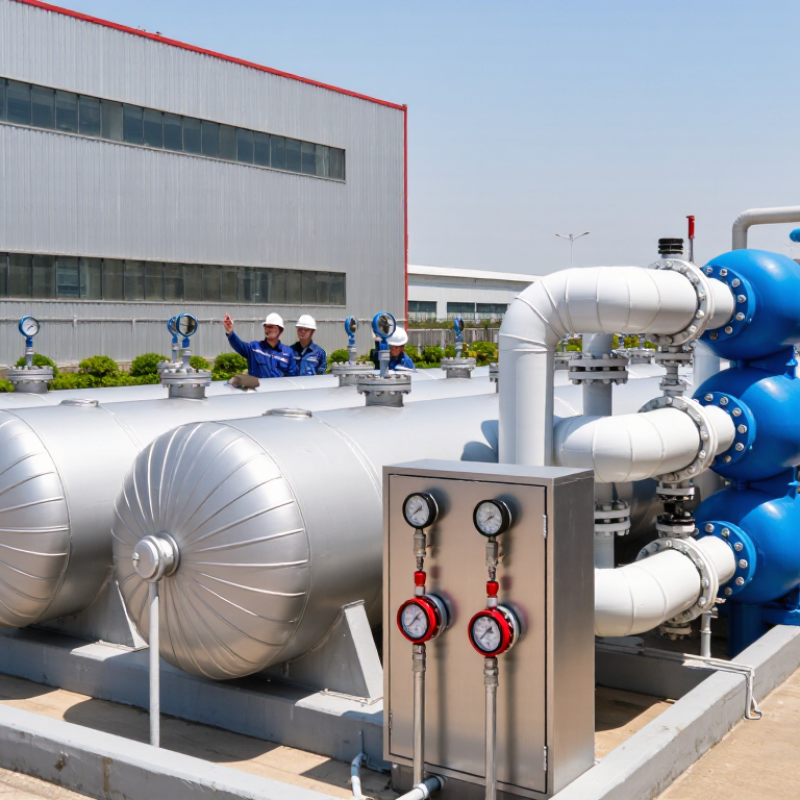
China Top Cryogenic Liquid Hydrogen Storage Supplier?

What Is Cryogenic Liquid Hydrogen Storage?

Cryogenic liquid hydrogen storage means keeping hydrogen as a liquid near its boiling point of 20.28 K at atmospheric pressure, according to NIST data. At this temperature, liquid hydrogen reaches a density of roughly 70.8 kg/m³, based on U.S. Department of Energy storage data. This makes it suitable for moving large quantities in insulated tanks.

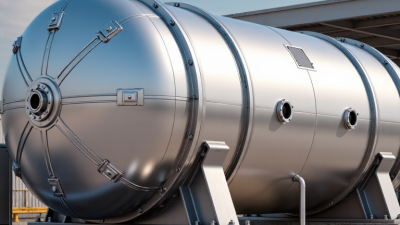
The tank is usually double-walled, vacuum-insulated, and protected by multilayer insulation. A small heat leak can still make the liquid evaporate. This vapor is called boil-off gas. Pressure relief devices, controlled venting, and accurate level sensors are therefore essential. Safety depends on design details, not tank size alone. Tiny leaks matter.

The IEA’s Global Hydrogen Review 2024 reports that hydrogen demand reached about 97 million tonnes in 2023. Growing demand increases interest in high-capacity storage and transport. Yet liquid hydrogen systems require significant refrigeration energy, specialized materials, and strict inspection procedures. Real performance can differ from laboratory figures. That deserves more attention.
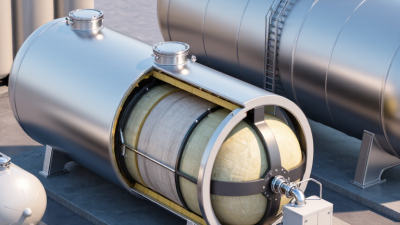
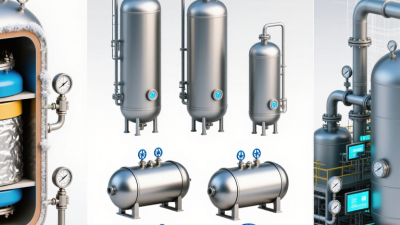
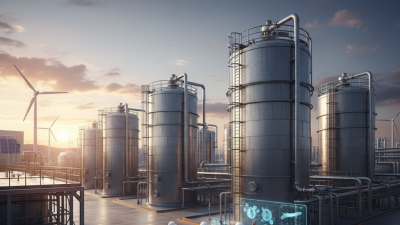
Cryogenic liquid hydrogen storage keeps hydrogen in a liquid state at approximately −252.87°C under atmospheric pressure. Because liquid hydrogen has a low density and a very low boiling point, storage systems generally use highly insulated, vacuum-jacketed tanks to reduce heat transfer and control boil-off gas. The chart compares normal boiling points and liquid densities of common cryogenic fluids at their normal boiling points.

Key Technologies Used in Cryogenic Hydrogen Storage Tanks

China Top Cryogenic Liquid Hydrogen Storage Supplier?

Key Technologies Used in Cryogenic Hydrogen Storage Tanks

Cryogenic liquid hydrogen tanks operate near 20 kelvin, where material behavior changes sharply. A double-wall structure limits heat transfer and protects the inner vessel. Vacuum insulation reduces convection between the walls. Multilayer insulation adds reflective barriers around the cold surface. Small leaks can still weaken performance.

Material selection requires careful attention. Austenitic stainless steel and selected aluminum alloys can tolerate extreme cold when properly designed. Engineers must evaluate thermal contraction, weld quality, fatigue, and hydrogen compatibility. The inner tank shrinks during filling. Flexible supports must absorb that movement without creating stress points.

Pressure control is equally important. Relief devices, burst protection, level sensors, and temperature instruments must work under harsh conditions. Automated systems should detect rising pressure before operators face an unstable situation. Factory testing may include helium leak checks, pressure tests, weld inspections, and vacuum monitoring. Field installation also matters.

A strong supplier should provide traceable materials, qualified procedures, and clear inspection records. Experience with repeated filling cycles is valuable. Computer models help, but they cannot replace physical testing. Design teams sometimes trust simulations too much. Real operating data can reveal insulation damage, sensor drift, or unexpected boil-off. The tank may look perfect outside. It still needs disciplined inspection and maintenance.

How to Evaluate a Chinese Storage Tank Supplier

China Top Cryogenic Liquid Hydrogen Storage Supplier?

When evaluating a Chinese storage tank supplier, inspect evidence, not polished brochures. The IEA’s Global Hydrogen Review 2024 estimates global hydrogen demand reached about 97 million tonnes in 2023. Low-emissions hydrogen remained below 1 percent. This gap makes storage reliability especially important. NIST data places liquid hydrogen near 20 K, with a density of approximately 70.8 kg/m³. A supplier should explain insulation performance, vacuum stability, boil-off control, and pressure cycling under these conditions.

Check whether the design follows applicable Chinese and international pressure-vessel requirements. Ask for material certificates, weld maps, non-destructive examination records, helium leak results, vacuum-hold data, and calibrated test reports. Standards such as the GB/T 18442 series and ASME Section VIII may support evaluation, but certificates must match the actual vessel. Request traceability from raw plate to final inspection. Site references matter more than claimed capacity. A supplier with several operating installations can describe real problems, including valve icing or unexpected vacuum loss. Honest answers are valuable. No supplier is perfect.

Tips: Request the P&ID, general arrangement drawing, safety relief calculations, FAT plan, and maintenance schedule. Verify independent inspection records. Compare quoted boil-off rates using the same volume, ambient temperature, and holding period. If the supplier avoids these details, pause. A low price may hide thinner documentation, weaker testing, or costly commissioning later.

China Top Cryogenic Liquid Hydrogen Storage Supplier? - How to Evaluate a Chinese Storage Tank Supplier

A fact-based evaluation framework for comparing Chinese suppliers of stationary vacuum-insulated liquid hydrogen storage tanks. The scores are reference benchmarks for supplier qualification, not company-specific claims.

Evaluation Dimension Relevant Technical Fact or Benchmark What a Qualified Supplier Should Provide Recommended Verification Evidence Weight
Liquid Hydrogen Service Knowledge Liquid hydrogen boils at approximately -252.87°C at standard atmospheric pressure. Hydrogen service requires control of heat leak, permeation, leakage, ignition risk and material compatibility. A documented design basis specifically covering liquid hydrogen, vacuum insulation, boil-off gas management, hydrogen compatibility and safe venting. Design basis, thermal calculations, hazard analysis and references to completed hydrogen-related projects with verifiable technical scope. 15%
Applicable Design Codes Commonly applicable frameworks may include GB/T 150 for pressure vessels, the GB/T 18442 series for fixed vacuum-insulated cryogenic pressure vessels, and ASME Section VIII Division 1 when specified by the project. Clear identification of the governing code, design pressure, design temperature, allowable stress, corrosion allowance and pressure-relief requirements. Code compliance matrix, stamped calculations where required, drawings and the applicable manufacturing or inspection plan. 12%
Pressure and Vacuum Design A vacuum-insulated tank must withstand internal pressure, external pressure caused by vacuum conditions, thermal contraction and credible upset conditions. Independent checks for internal pressure, vacuum stability, buckling, thermal stress, nozzle loads and seismic or wind loads where applicable. Finite-element analysis, vacuum-jacket stability calculation, nozzle reinforcement calculation and design review records. 10%
Material Selection Austenitic stainless steels such as 304L and 316L are widely used in cryogenic equipment, but final selection must be validated for hydrogen exposure, temperature, weldability and design stress. Material specifications for the inner vessel, outer jacket, piping, valves and supports, including low-temperature toughness and hydrogen-service suitability. Material certificates, heat numbers, impact-test records where required, positive material identification and traceability documents. 10%
Welding and Fabrication Control Cryogenic pressure vessels depend on high-integrity longitudinal, circumferential and nozzle welds. Welding quality directly affects leak tightness and fatigue performance. Qualified welding procedures, qualified welders, controlled heat input, purge procedures, cleanliness control and documented repair limits. WPS/PQR records, welder qualifications, weld maps, consumable certificates, weld-repair logs and visual inspection records. 10%
Non-Destructive Examination Pressure-vessel weld inspection commonly uses methods such as radiographic or ultrasonic testing, liquid penetrant testing and magnetic-particle testing where appropriate to the material and joint. An inspection plan defining examination methods, coverage, acceptance criteria and independent review responsibilities. NDE procedures, operator qualifications, examination reports, calibrated equipment records and full-resolution indications when contractually required. 9%
Vacuum Insulation Performance Vacuum insulation reduces conductive and convective heat transfer. Higher heat leak increases liquid hydrogen boil-off and operating cost. Guaranteed heat-leak or boil-off performance stated under defined ambient temperature, fill level, pressure and measurement conditions. Evacuation records, vacuum-retention test, thermal-performance test method, measured values and acceptance criteria. 10%
Leak and Helium Testing Hydrogen has a very small molecular size and can escape through extremely small leakage paths. Helium mass-spectrometer testing is commonly used for high-sensitivity leak detection. Defined leak-test boundaries, test pressure, helium concentration, equipment sensitivity and project-specific maximum allowable leak rate. Helium leak-test reports, instrument calibration certificates, test diagrams and records identifying each tested circuit. 8%
Pressure-Relief and Vent System Liquid hydrogen expands significantly when vaporized. Relief devices must address blocked outlets, fire exposure, vacuum loss, trapped liquid and abnormal pressure rise. Relief-device sizing for credible scenarios, safe vent routing, compatibility with hydrogen service and protection against overpressure and vacuum failure. Relief calculations, certified device data, set-pressure records, vent-system drawings and functional test reports. 8%
Instrumentation and Safety Interlocks Typical monitoring includes pressure, temperature, liquid level, vacuum condition, hydrogen detection and emergency shutdown functions. A complete instrument list, alarm matrix, shutdown philosophy, fail-safe positions and defined measurement accuracy. Cause-and-effect diagram, instrument certificates, loop-check records, control-system test reports and emergency operating procedures. 6%
Factory Acceptance and Documentation Traceability and reproducible inspection records are essential for pressure equipment, especially when the tank will be registered or exported. A complete manufacturing data book containing drawings, calculations, certificates, inspection records, test results and operating instructions. Document index, quality plan, final inspection report, nameplate data, as-built drawings and signed release certificate. 6%
After-Sales and Lifecycle Support Cryogenic tanks require periodic inspection, vacuum monitoring, relief-device maintenance and controlled procedures for filling, venting and defrosting. Commissioning support, operator training, spare-parts planning, response times, maintenance instructions and defined warranty boundaries. Service-level agreement, training agenda, maintenance schedule, spare-parts list and documented service escalation process. 6%
Total Evaluation Weight 100%

Suggested qualification rule: Require documentary evidence for every applicable criterion, treat pressure integrity, hydrogen compatibility, leak tightness and relief-system design as critical items, and do not accept an overall supplier score as a substitute for mandatory code, safety or regulatory compliance.

Leading Applications of Cryogenic Liquid Hydrogen Storage

Cryogenic liquid hydrogen storage supports applications where weight, transport distance, or fast dispensing matters. At about 20 kelvin, liquid hydrogen reaches a density near 70.8 kilograms per cubic metre, according to the U.S. Department of Energy. This is far denser than compressed hydrogen, although the storage system requires vacuum insulation, multilayer barriers, and careful pressure control.

Aerospace remains a leading application. Launch systems need lightweight fuel with high purity and rapid flow, making liquid hydrogen suitable for large propulsion systems. Industrial gas terminals also use cryogenic tanks for receiving, buffering, and transferring hydrogen. The International Energy Agency reported global hydrogen demand of approximately 97 million tonnes in 2023. Much of this demand served refining and chemical production, but future clean-energy projects may increase demand for flexible storage.

Heavy transport and maritime fueling are developing applications. Liquid storage can support high-throughput fueling stations and longer delivery routes. Boil-off gas remains the difficult detail. It must be recovered, consumed, or safely managed, adding equipment and operating costs. The Hydrogen Council’s Hydrogen Insights 2024 noted strong growth in announced hydrogen projects, yet many still lacked final investment decisions. That matters. A large tank looks impressive, but actual performance depends on insulation quality, loading cycles, monitoring, and local demand. Even small heat leaks can reduce stored inventory over time.

Safety Standards and Quality Factors for Supplier Selection

Selecting a top cryogenic liquid hydrogen storage supplier requires more than comparing tank prices. Liquid hydrogen is stored near −253°C, where small material defects can become serious safety risks. The IEA Global Hydrogen Review 2024 reported about 97 million tonnes of global hydrogen production in 2023. That scale increases pressure for dependable storage infrastructure.

Ask suppliers to demonstrate compliance with ISO 21029-1 for cryogenic vessels and NFPA 2 hydrogen safety requirements. Review material certificates, weld maps, vacuum records, and pressure-relief sizing. Helium leak testing should cover joints, valves, and instrument connections. Request witnessed factory acceptance testing, not only a signed inspection sheet. Traceability matters. Every critical component should connect to a documented batch and inspection record.

Quality also appears during installation and operation. Check insulation performance, boil-off monitoring, grounding, gas detection, and emergency isolation. A supplier should provide maintenance intervals and realistic response times for field failures. The U.S. Department of Energy identifies liquefaction and storage as major contributors to hydrogen energy losses, so efficiency data deserves close examination. Ask for measured boil-off rates under defined conditions. Marketing figures can hide assumptions. No checklist is perfect. I would still inspect a finished vessel personally, especially the piping supports and relief-discharge route. Purity control, operator training, and change-management procedures often receive less attention than polished certificates. That is a mistake.