Blog

Best Cryogenic Hydrogen Storage Tanks for Global Buyers?

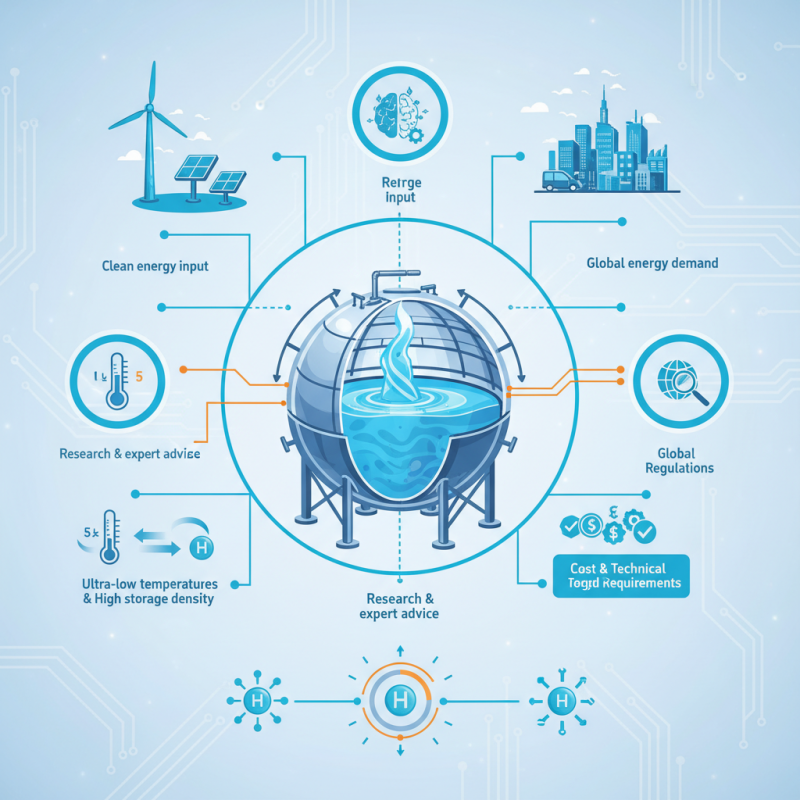
The global demand for clean energy solutions is driving innovation in the hydrogen sector. A significant focus is on **cryogenic hydrogen storage tanks**. These tanks can hold hydrogen at extremely low temperatures, allowing for greater storage density and safety. According to the International Energy Agency, hydrogen could supply up to 18% of the world’s energy needs by 2050, underscoring the importance of efficient storage solutions.

Expert Dr. Olivia Chen, a leading authority in cryogenic technology, emphasizes the need for advanced storage systems. She states, “Investing in cryogenic hydrogen storage tank technology is crucial for a sustainable energy future.” This highlights the evolving landscape of hydrogen as a fuel source. However, challenges remain, including the high cost and technical requirements of these tanks.

Companies must evaluate their options carefully. Not all cryogenic hydrogen storage tanks deliver the same performance. Selecting the right technology can be daunting. The varying regulations across different markets add layers of complexity. As global buyers navigate this new frontier, detailed research and expert advice are vital for informed decision-making.
Best Cryogenic Hydrogen Storage Tanks for Global Buyers?

The Importance of Cryogenic Hydrogen Storage in Renewable Energy Systems

Cryogenic hydrogen storage plays a crucial role in renewable energy systems. As the world shifts towards sustainable energy sources, efficient storage solutions are essential. These tanks operate at extremely low temperatures, allowing hydrogen to condense into a liquid form. This process maximizes the amount of hydrogen that can be stored in a given volume, making it economically viable.

The benefits of cryogenic hydrogen storage extend beyond efficiency. They also facilitate better integration of renewable energy. For instance, excess energy generated from solar or wind farms can be used to produce hydrogen through electrolysis. This stored hydrogen can then be used later when energy demand peaks. However, the technology is not without its challenges. Insulation and material durability are ongoing concerns. Continuous research is needed to enhance these storage systems.

Moreover, safety remains a critical factor when handling cryogenic materials. There are risks associated with extreme temperatures and pressure. As such, the industry must prioritize the development of safety protocols. This will help to pave the way for widespread adoption. A careful balance of innovation and caution is essential to ensure that this technology can truly support the transition to a more sustainable energy future.
Overview of Cryogenic Hydrogen Storage Tank Technologies and Materials

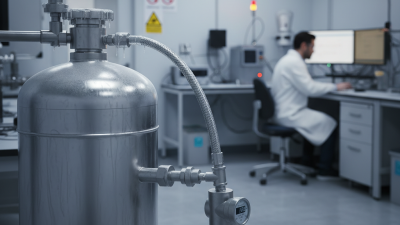
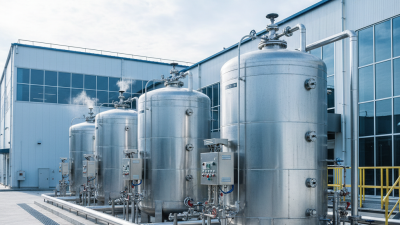
Cryogenic hydrogen storage tanks are essential for efficient energy management. Different technologies and materials ensure safe storage at ultra-low temperatures. Insulated tanks utilize double-walled structures, minimizing heat transfer. Advanced materials like stainless steel and high-strength composites offer durability and lightweight features.

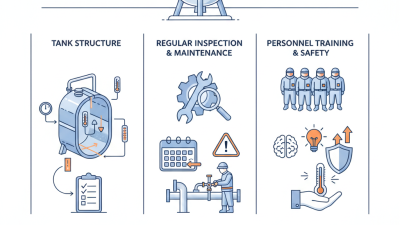
Tips: Look for tanks with reliable insulation to reduce energy loss. Evaluate the tank's material properties to ensure longevity. Ensure your tank has a robust safety system in place.

Emerging technologies are also making waves. Vacuum insulation technology is becoming popular due to its effectiveness. Additionally, cryogenic liquids can be stored in portable tanks, which are convenient for various applications. The journey of choosing the right tank is complex and requires careful consideration.

Tips: Conduct regular inspections to maintain tank integrity. Consider scalability based on hydrogen demand. Monitor industry advancements for the latest innovations.

Key Performance Metrics for Selecting Hydrogen Storage Tanks

Best Cryogenic Hydrogen Storage Tanks for Global Buyers?

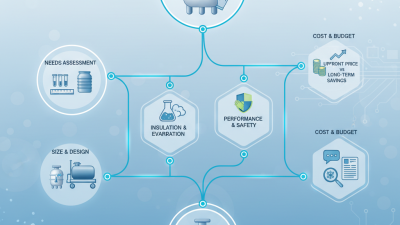
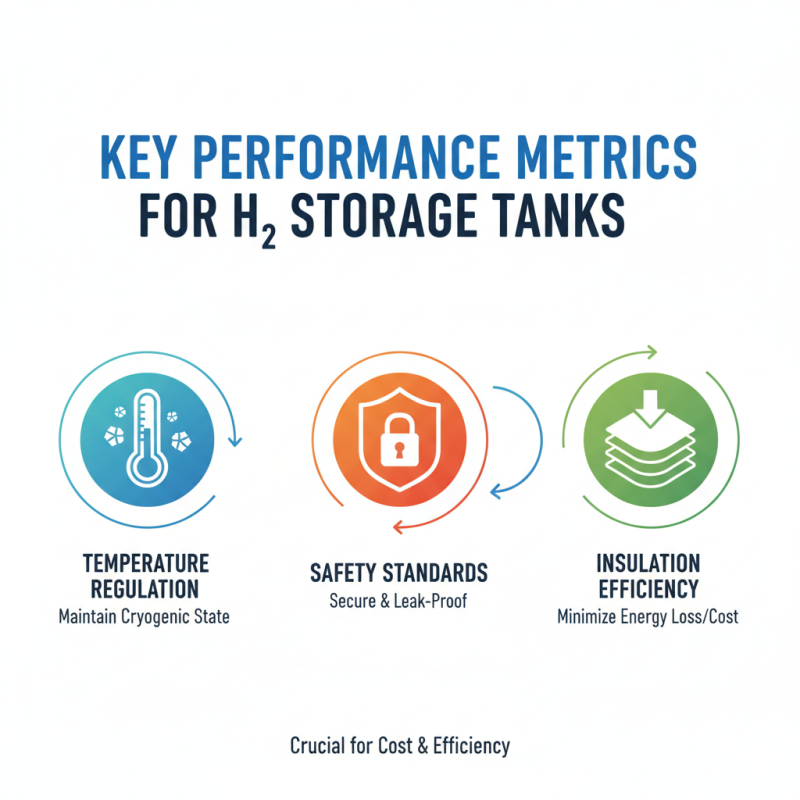
When selecting cryogenic hydrogen storage tanks, performance metrics are crucial. Tanks must maintain low temperatures effectively while ensuring safety. Insulation quality greatly impacts energy loss. A tank with superior insulation can minimize costs and improve efficiency.

Material strength is another key factor. Tanks should withstand high-pressure conditions and resist cracking at low temperatures. Regular inspections are necessary to guarantee longevity and safety. Think about the maintenance routines before making a choice.

Tips: Evaluate tank designs for adaptability to different storage needs. Consider future expansion plans. The right tank should accommodate growth without significant modifications. Always prioritize safety features. A tank with advanced safety technology can prevent leaks and other hazards. Ensure compliance with local regulations to avoid complications.

Market Analysis: Leading Manufacturers of Cryogenic Hydrogen Storage Tanks

Best Cryogenic Hydrogen Storage Tanks for Global Buyers?

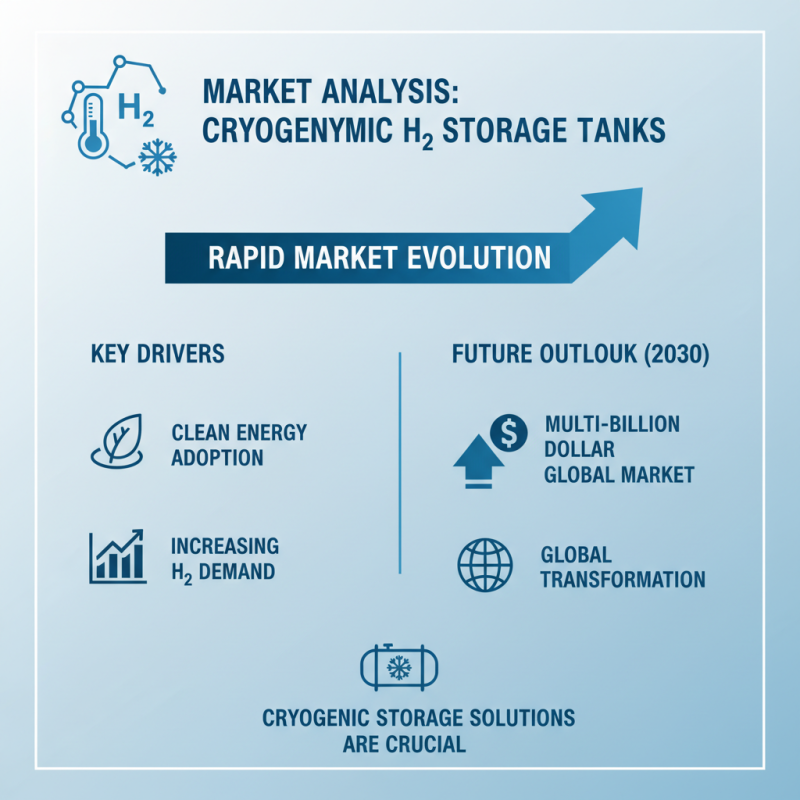
The market for cryogenic hydrogen storage tanks is evolving rapidly. Research from industry reports indicates that the demand for hydrogen storage solutions will grow significantly. By 2030, the global market is expected to reach several billion dollars. This transformation aligns with the increasing adoption of hydrogen as a clean energy source.

Leading manufacturers in the industry are focusing on innovation. They aim to enhance efficiency and reliability in storage solutions. According to a report by ResearchAndMarkets, advancements in materials science could reduce costs by 25% in the next decade. Additionally, the ability to maintain cryogenic temperatures is critical. Companies are exploring various insulation technologies to improve thermal performance.

Safety remains a key concern within the market. Despite the advancements, challenges like leakage and pressure fluctuations must be addressed through robust design and rigorous testing. Many manufacturers have introduced advanced safety features to mitigate these risks. Continuous R&D is essential for ensuring these tanks meet international safety standards. Stakeholders must consider these factors when evaluating suppliers in the cryogenic hydrogen storage market.

Future Trends and Innovations in Cryogenic Hydrogen Storage Solutions

As the demand for hydrogen energy grows, cryogenic hydrogen storage solutions are becoming increasingly important. Innovations in insulation technology are critical. Advanced materials enhance thermal performance, which reduces boil-off rates drastically. These developments help maintain hydrogen in liquid form for longer periods. Improved tank designs focus on maximizing storage density while optimizing safety.

Emerging trends point to modular storage systems. They allow for scalability based on demand, providing flexibility for various applications. Integration with renewable energy sources is also gaining traction. This approach ensures that hydrogen production aligns with energy supply, enhancing overall efficiency. However, challenges remain. The cost of these advanced systems can be significant, and technological hurdles must be overcome before widespread adoption occurs.

Another consideration is the environmental impact of production processes. While hydrogen is clean in its end use, sourcing it sustainably is vital. Researchers are exploring greener methods that may yield better results. The path ahead is complex but promising. Innovations are shaping how we think about hydrogen storage, and continuous improvement is essential to meet global energy needs.

Best Cryogenic Hydrogen Storage Tanks for Global Buyers

Storage Capacity (liters) Operating Temperature (°C) Insulation Type Material Type Safety Features
5000 -253 Vacuum Insulation Stainless Steel Pressure Relief Valves, Emergency Shut-off
10000 -253 Multi-layer Insulation Aluminium Thermal Expansion Protection, Venting Systems
2500 -253 Foam Insulation Carbon Steel Automatic Pressure Monitoring
8000 -253 Thermal Insulation Panels Titanium Seismic Bracing, Fire-Resistant Coatings
15000 -253 Cryogenic Insulating Material Composite Materials Redundant Safety Systems, Regular Inspection Protocols