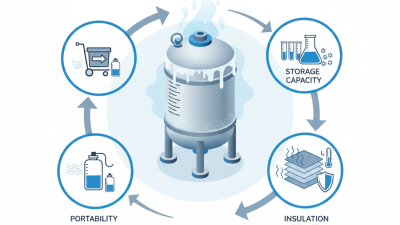
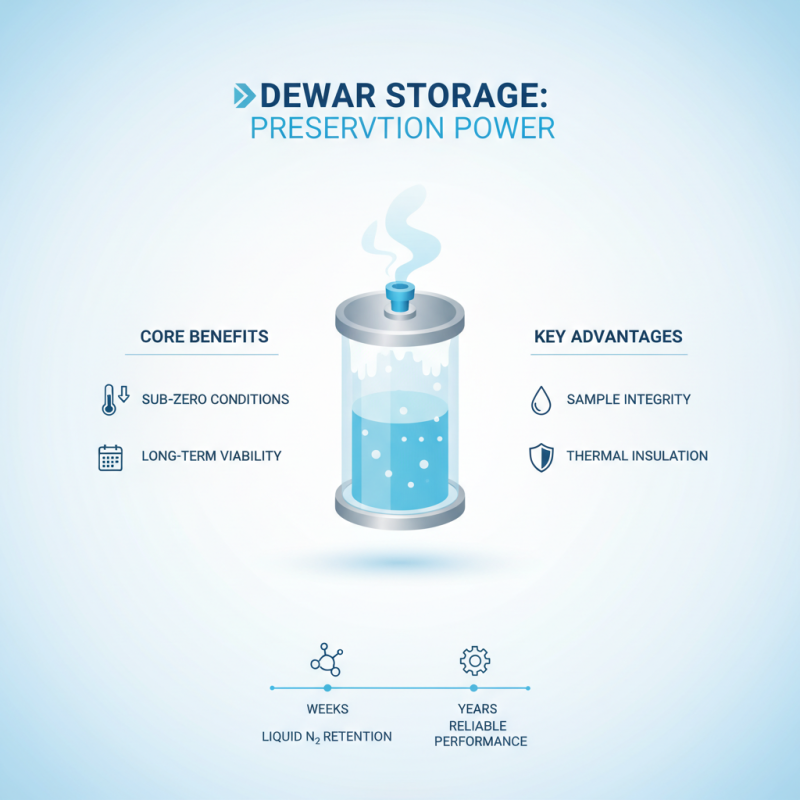
Dewar storage offers remarkable advantages for various needs. This technology excels in preserving materials at very low temperatures. Utilizing a vacuum-insulated container, it prevents heat transfer, ensuring consistent conditions.
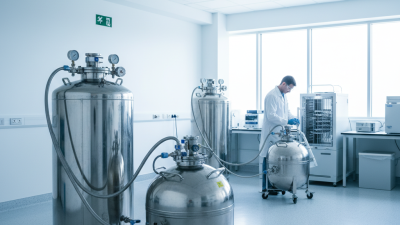
One major benefit is its effectiveness in maintaining liquid nitrogen and other cryogenic substances. It helps in keeping samples viable for extended periods. Researchers and labs rely heavily on dewar storage to protect valuable specimens. Its application extends across medical, industrial, and scientific fields.
Yet, challenges exist. Regular maintenance is crucial for optimal performance. Users must regularly check for leaks and ensure proper handling. Despite its benefits, careful monitoring is essential. Embracing these realities strengthens the reliability of dewar storage solutions.
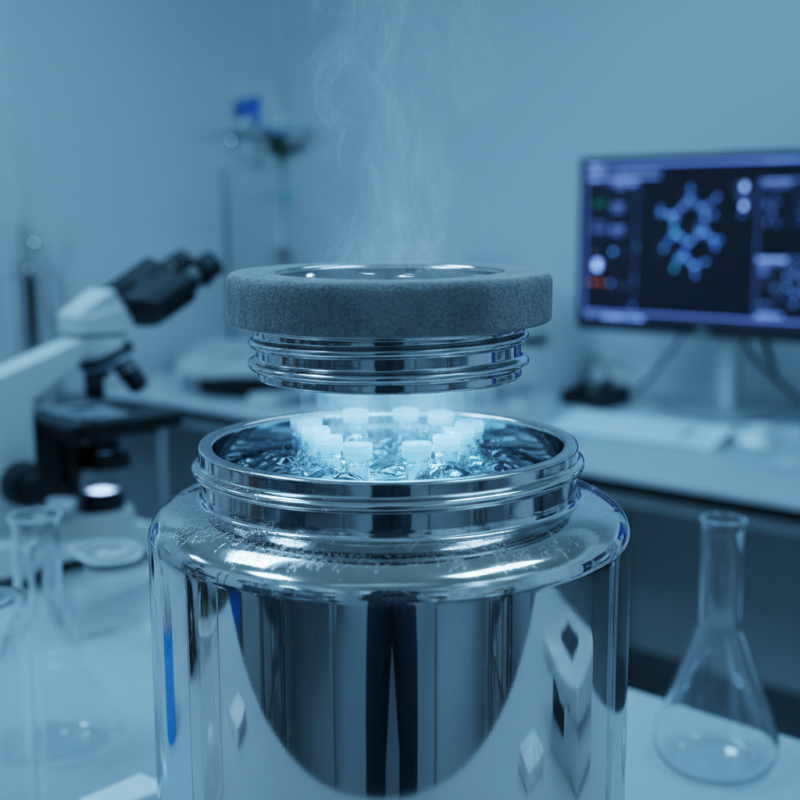
Dewar storage, often used in cryogenics, provides excellent insulation. It maintains low temperatures effectively. This makes it ideal for labs and medical facilities. According to industry reports, efficient dewars can reduce energy consumption by up to 30%. This not only lowers costs but also supports sustainability goals.
In research applications, dewar units are crucial. They store liquid nitrogen and helium, vital for many experiments. Data suggests that over 70% of laboratories rely on dewars for sample preservation. However, handling can be challenging. Each transfer must be careful to avoid spills. A single error may lead to costly sample loss or contamination.
Moreover, not all dewars are created equal. Design flaws can lead to inefficiencies. Regular maintenance becomes essential to ensure reliability. Many facilities overlook this, risking their operations. Understanding the specific needs of your environment is crucial for selecting the right dewar.
Dewar storage provides a reliable solution for temperature-sensitive materials. These containers keep substances at cryogenic temperatures. This is crucial for preserving biological samples. In laboratories, the integrity of samples is essential. Even minor temperature fluctuations can lead to degradation. Dewar storage mitigates that risk effectively.
One standout feature of Dewar storage is its insulation. The design minimizes heat transfer. This ensures that materials like cells and enzymes remain viable for extended periods. The ease of access is also beneficial. Researchers can retrieve samples without affecting the overall temperature. However, the maintenance of such systems is vital. Proper handling and regular checks are necessary.
Moreover, using Dewar storage can lead to errors if not monitored closely. It's easy to forget about the power source. If the cooling system fails, materials could be compromised. Such mistakes can be costly, both financially and scientifically. Researchers need to stay attentive. It’s essential to document storage conditions and monitor the Dewar regularly.
| Benefit | Description |
|---|---|
| Temperature Control | Maintains a stable low temperature for sensitive materials. |
| Cryogenic Preservation | Effectively preserves biological samples, such as cells and tissues. |
| Safety | Minimizes risks of temperature-related accidents. |
| Durability | Robust construction allows for long-term use. |
| Cost Efficiency | Reduces the need for frequent replacements or repairs. |
| Portability | Lightweight design facilitates easy transport of contents. |
| Versatility | Suitable for a wide range of applications and materials. |
| Ease of Use | User-friendly design simplifies usage and access. |
| Environmental Control | Helps maintain desired environmental conditions for samples. |
| Long-term Storage | Ideal for long-term storage of temperature-sensitive items. |
Dewar storage solutions provide enhanced safety features that are vital in various applications. The cryogenic nature of Dewar storage means handling extremely low temperatures. Proper insulation prevents any external heat, reducing the risk of condensation. Users must be aware of the hazards associated with cryogenic materials. This extra layer of safety is crucial.
One key feature is the pressure relief valve. It helps to release excess pressure that builds up inside the Dewar. This valve acts as a safety measure, ensuring that the vessel does not rupture. It’s essential to regularly check the functionality of this valve. Some users may overlook maintenance, which can lead to dangerous situations.
Another protective aspect is the outer protective casing. It absorbs impact and gives a cushion to the Dewar. This decreases the risk of breakage and spillage. Additionally, many Dewar models come with secure locking mechanisms. This prevents unauthorized access, adding an extra layer of security. Users should always consider the location of their Dewar. A safe environment decreases risks significantly.
Dewar storage systems offer a cost-effective solution for various industries. These systems are designed to keep materials at ultra-low temperatures. This ensures their integrity and performance over time. Traditional storage options often require high electricity costs and maintenance. In contrast, Dewar systems minimize operational expenses significantly. They use vacuum insulation, which helps maintain temperature with less energy.
The initial investment in Dewar storage may seem high. However, the long-term savings can be substantial. Costs associated with product loss and spoilage are reduced. Organizations can store sensitive items safely without worrying about deterioration. Additionally, Dewar systems are portable. This feature allows for flexibility in storage and retrieval.
Some may wonder if technical support will be readily available. While many facilities provide assistance, it’s crucial to evaluate your needs carefully. Regular maintenance is essential for optimal performance. A lack of proper upkeep could lead to inefficiency. Being aware of these challenges can ensure one makes the most out of Dewar storage systems. Their advantages are clear, yet careful consideration is vital.
Dewar storage containers are essential for preserving sensitive materials. These containers offer long-term viability, crucial for industries that rely on precise temperatures. They maintain sub-zero conditions, ensuring sample integrity over extended periods. Research suggests that proper thermal insulation can retain liquid nitrogen's temperature for weeks. A study from the Cryogenics Society highlights that well-maintained Dewars can perform reliably for years.
Durability is another key benefit. Many Dewar containers are made from robust materials, allowing them to withstand varying environmental conditions. In a report by the International Institute of Refrigeration, it was noted that tougher exteriors result in fewer breakages. However, users must remain observant. Cracks or dents can compromise performance. Regular inspections ensure that these containers continue to operate effectively.
Another aspect often overlooked is weight. Heavy-duty models can be cumbersome, making transportation challenging. It’s essential to balance durability with ease of use. Some users report difficulty when moving larger Dewars. This can lead to accidents or spills. Understanding limitations is essential for optimal application.