Blog

Essential Tips for Safe Cryogenic Liquid Storage Tank Management

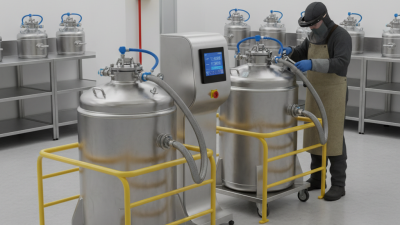
Effective management of cryogenic liquid storage tanks is crucial for safety and efficiency. Dr. Emily Carter, a renowned expert in cryogenics, highlights, “Proper storage management minimizes risks and maximizes operational capacity.” This underscores the need for best practices in handling these extremely low-temperature materials.

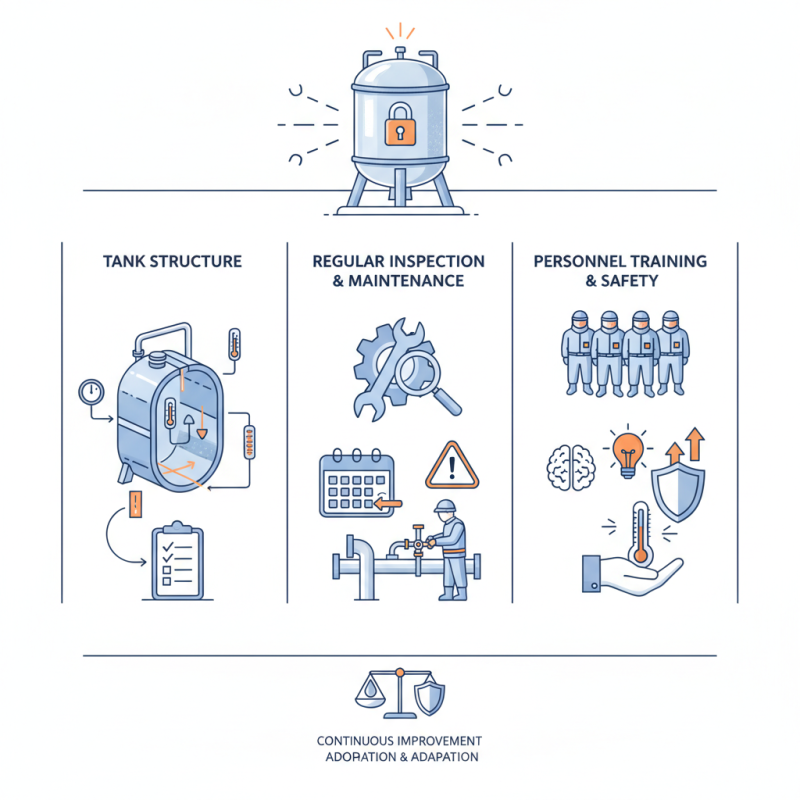
Cryogenic liquid storage tanks require careful monitoring. The structure must withstand the intense pressures and temperatures associated with liquid gases. Regular inspections and maintenance routines are essential. A single oversight can lead to catastrophic failures.

Workers must be trained rigorously. Understanding the specific properties of cryogenic liquids is vital. Awareness of potential hazards is equally important. Balancing operational efficiency with robust safety measures is challenging. The nuances of cryogenic tank management prompt ongoing learning and adaptation within the industry.
Essential Tips for Safe Cryogenic Liquid Storage Tank Management

Understanding Cryogenic Liquids and Their Properties

Cryogenic liquids, such as liquid nitrogen and liquid helium, are crucial in various industries. Understanding their properties is vital for safe storage. These substances exist at extremely low temperatures, often below -150°C. At these temperatures, they can cause rapid freezing, which is hazardous.

The behavior of cryogenic liquids can be unpredictable. They can evaporate rapidly when exposed to higher temperatures. This creates pressure buildup in storage tanks. If not managed properly, this can lead to dangerous situations. Regular inspections of tanks are necessary to ensure that no leaks or pressure anomalies occur.

Training personnel is equally important. Staff must understand the risks involved in handling cryogenic liquids. Simple safety measures, such as wearing proper protective gear, can significantly reduce the risk of accidents. Reflection on past incidents is crucial to enhance safety protocols continually. Collaboration and sharing knowledge among workers can lead to better practices in cryogenic liquid management.
Design Considerations for Cryogenic Liquid Storage Tanks

Essential Tips for Safe Cryogenic Liquid Storage Tank Management

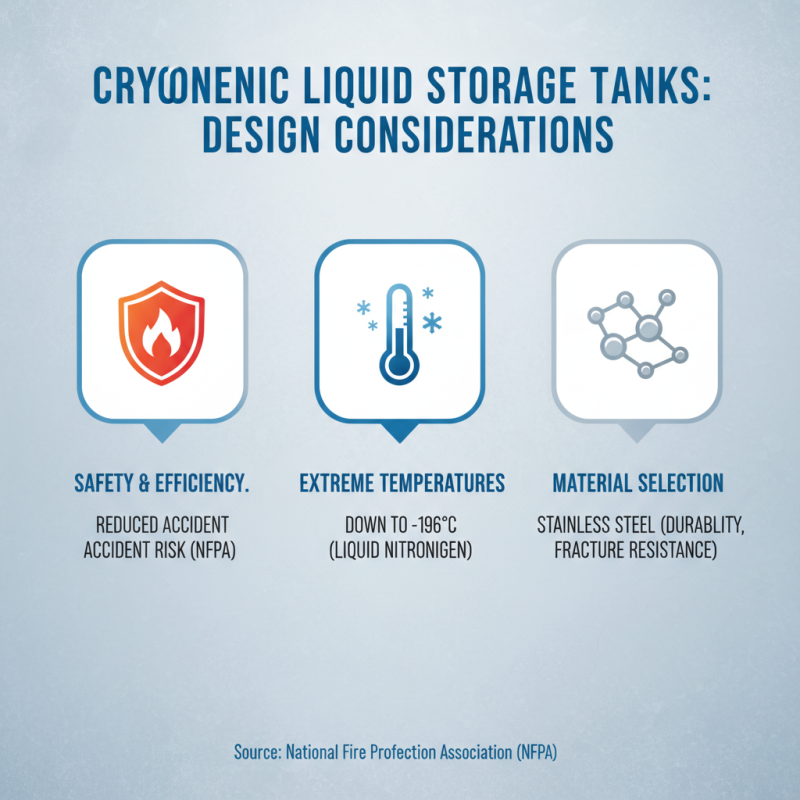
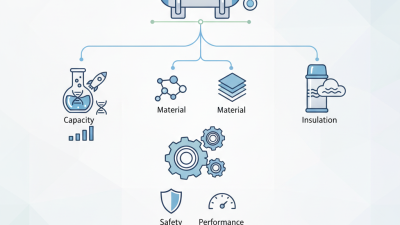
When it comes to cryogenic liquid storage tanks, design considerations are paramount for ensuring safety and efficiency. According to the National Fire Protection Association (NFPA), proper tank design can significantly reduce the risk of accidents. Structurally, tanks must withstand extreme temperatures as low as -196°C for liquid nitrogen. Material selection is crucial; stainless steel is often preferred for its durability and resistance to brittle fracture under low temperatures.

Insulation plays a key role in maintaining the integrity of cryogenic liquids. Vacuum insulation or multilayer insulation reduces heat transfer, which is essential for preserving the stored liquid. The U.S. Department of Energy reports that effective insulation can decrease boil-off losses by up to 90%. However, some systems can experience insulation failures over time, leading to increased operational costs and risks.

Another aspect to consider is the tank's pressure management system. Tanks need to maintain safe pressure levels to prevent dangerous over-pressurization. According to the American Society of Mechanical Engineers (ASME), pressure relief valves and emergency venting systems are vital components. In practice, many operators overlook regular inspections, which can lead to catastrophic failures. Each design decision should be guided by a thorough risk assessment to enhance reliability and ensure safety in operations.

Safety Protocols for Handling Cryogenic Liquid Storage Tanks

Handling cryogenic liquid storage tanks requires strict adherence to safety protocols to prevent accidents and injuries. Workers must wear appropriate personal protective equipment, including insulated gloves and goggles. Proper training is essential. Employees should understand the risks associated with cryogenic materials, including the potential for rapid freezing and asphyxiation in confined spaces.

Regular inspections of storage tanks are crucial. Look for leaks, corrosion, or other signs of wear. A well-maintained tank minimizes risks. Keeping a clear area around storage tanks prevents trip hazards. Emergency plans should be established and practiced. Ensure all staff know evacuation routes and emergency contact numbers.

In practice, even the most stringent protocols can fail. Unforeseen factors like equipment malfunction or human error can lead to dangerous situations. Maintaining a culture of safety means encouraging open discussions about challenges and improvements. Reflection on incidents, even minor ones, fosters a proactive safety mindset. Constant vigilance is key in this high-stakes environment.

Essential Tips for Safe Cryogenic Liquid Storage Tank Management

Regular Maintenance and Inspection Procedures for Storage Tanks

Essential Tips for Safe Cryogenic Liquid Storage Tank Management

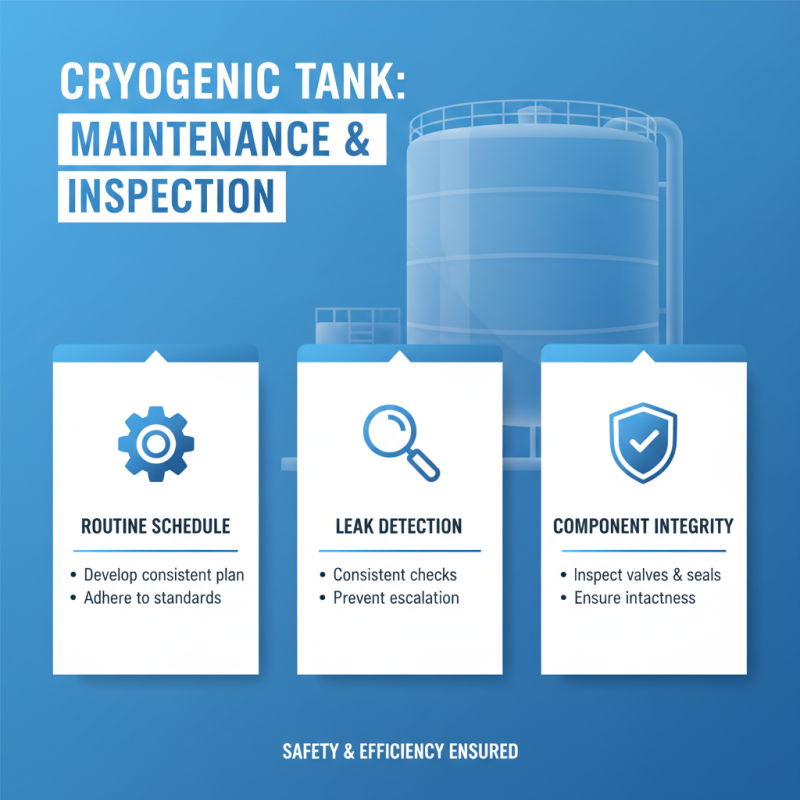
Regular maintenance and inspection are crucial for cryogenic liquid storage tanks. Consistent checks help ensure safety and efficiency. It's important to develop a routine schedule, adhering strictly to industry standards. Inspections should include checking for leaks. A small leak might lead to big problems later. Ensure that all valves and seals are intact during these inspections.

Cleaning is often overlooked but is essential. Contaminants can affect tank performance. Scheduling a thorough clean can prevent larger issues down the line. Look for signs of corrosion; it could indicate potential failure points. Use non-corrosive materials when cleaning to avoid adding more problems.

Training staff in emergency procedures is another key area. Even with strict protocols, human error can occur. Regular drills can keep everyone prepared. Checklists can aid in consistency but might also miss unique scenarios. Emphasizing a proactive approach will cultivate a culture of safety. Managing cryogenic storage isn't just mechanical; it's also about human diligence and constant learning.

Emergency Response Planning for Cryogenic Incidents

Emergency response planning for cryogenic incidents is critical. The hazards associated with cryogenic liquids can pose severe risks. According to a report from the National Fire Protection Association (NFPA), nearly 70% of cryogenic incidents result from equipment failure or improper handling. These statistics highlight the need for thorough preparation.

Establishing a solid emergency response plan is essential. Each facility must conduct regular risk assessments. Training staff on the specific hazards of cryogenic storage can save lives. For instance, awareness of asphyxiation risks in confined spaces is vital. A study published in the Journal of Loss Prevention in the Process Industries indicated that 60% of accidents could have been prevented with better training.

Communication is key during emergencies. Each team member should know their roles. Ensure that all staff can access emergency contact numbers. Mock drills can improve response times and team cohesion. One review pointed out that 80% of effective responses stem from practiced familiarity with procedures. Reflection on past incidents can also improve future planning and safety measures, emphasizing the need for a dynamic and responsive emergency framework.

Essential Tips for Safe Cryogenic Liquid Storage Tank Management - Emergency Response Planning for Cryogenic Incidents

Tip Description Importance Frequency of Review
Regular Inspections Conduct thorough inspections of storage tanks and equipment to identify potential hazards. Critical Monthly
Emergency Drills Regularly practice emergency response procedures with all personnel. Very Important Quarterly
Proper Training Ensure all staff are trained in handling cryogenic materials and emergency procedures. Essential Annually
Leak Detection Systems Install and maintain leak detection systems to identify cryogenic leaks promptly. Very Critical Monthly
Emergency Contacts Maintain an updated list of emergency contacts and local emergency services. Essential Monthly