Blog

Top 10 Liquid Nitrogen Storage Containers for Global Buyers?

In the world of scientific research and medical applications, a liquid nitrogen storage container plays a crucial role. These containers are essential for preserving biological samples, pharmaceuticals, and other critical materials at extremely low temperatures. Their ability to maintain the integrity and viability of samples makes them invaluable for laboratories and medical facilities.

However, not all liquid nitrogen storage containers are created equal. Quality, capacity, and safety features can vary significantly among options available in the market. Buyers need to evaluate products based on trust and reliability. The right container can mean the difference between a successful experiment and significant loss.

As you explore your options, consider what makes a good liquid nitrogen storage container. Analyze factors like insulation efficiency, material sturdiness, and specific use cases. It’s also wise to reflect on your unique needs and circumstances. Are you choosing a container for short-term or long-term storage? Are you handling sensitive items or general samples? Identifying these details can guide you to the best choice.
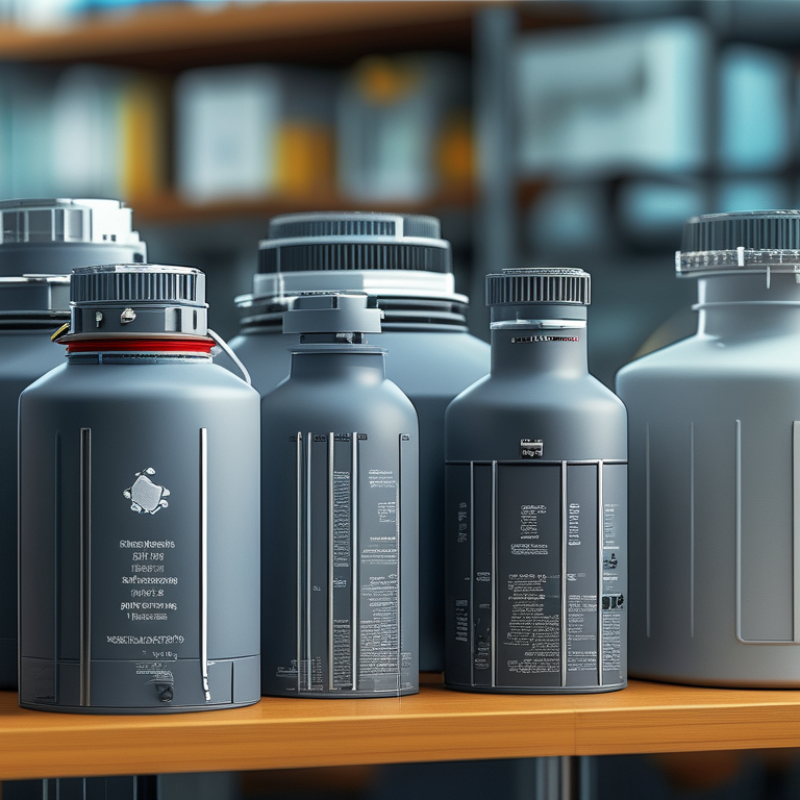
Top 10 Liquid Nitrogen Storage Containers for Global Buyers?

Overview of Liquid Nitrogen Storage Containers

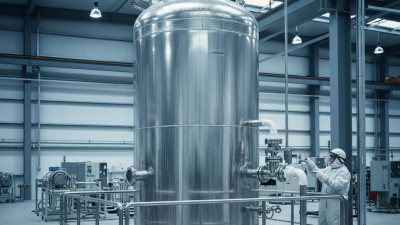
Liquid nitrogen storage containers are essential for numerous industries. They provide safe and effective methods for preserving biological samples, including cells and tissues. These containers come with various sizes and designs, catering to different storage needs. Some are portable, while others are stationary, each having its advantages.

However, selecting a suitable container can be complex. Factors like insulation type, capacity, and safety features must be considered. While some containers excel in temperature retention, others may lack sufficient durability for regular transportation. Buyers should think critically about their specific requirements, such as the frequency of access needed and the materials housed within.

User reviews can provide valuable insights. Still, not all feedback is consistent. Some containers might perform well initially but show signs of wear over time. It is essential to analyze long-term performance data before making a purchase. Understanding these nuances ensures a more informed decision about liquid nitrogen storage containers.

Top 10 Liquid Nitrogen Storage Containers for Global Buyers

Model Capacity (Liters) Weight (kg) Material Price Range (USD)
Model A 10 5 Aluminum 200 - 250
Model B 20 8 Stainless Steel 300 - 350
Model C 30 12 PVC 150 - 200
Model D 50 15 Aluminum 350 - 400
Model E 100 25 Stainless Steel 500 - 600
Model F 150 30 Carbon Fiber 700 - 800
Model G 200 40 Aluminum 900 - 1000
Model H 250 50 Stainless Steel 1100 - 1200
Model I 300 60 PVC 1300 - 1400
Model J 400 75 Carbon Fiber 1500 - 1600

Key Features to Consider When Selecting Containers

When selecting liquid nitrogen storage containers, understanding key features is essential. Capacity is one of the most critical factors. Containers vary widely, with some holding just a few liters and others accommodating thousands. According to recent industry reports, larger containers tend to reduce refilling frequency, but require careful handling due to their weight.

Another important aspect is insulation type. High-quality vacuum insulation can greatly improve nitrogen retention. A well-insulated container minimizes evaporation, preserving the liquid nitrogen for extended periods. Research indicates that containers with optimal insulation can maintain temperatures below -196°C for weeks. This is crucial for applications in research, healthcare, and food preservation.

Safety features should not be overlooked. Look for containers with pressure release valves to prevent accidents. Additionally, ergonomic design can make handling easier, especially in demanding work environments. It's essential to assess the container's overall durability and build quality.

Proper maintenance is another consideration. Users must regularly check for signs of wear and tear. Consistent inspections can prevent potential failures. Given the critical nature of liquid nitrogen storage, understanding these factors can lead to more informed purchasing decisions.

Choose wisely to avoid costly mistakes. Evaluate your needs and seek professional guidance. The right container can enhance safety and efficiency.

Top 10 Liquid Nitrogen Storage Containers for Various Needs

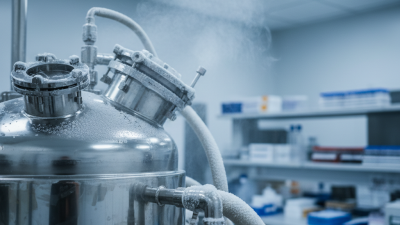
Liquid nitrogen storage containers serve various needs, from preserving biological samples to industrial applications. Selecting the right container is crucial. Options include portable cryogenic tanks, dewars, and larger bulk storage units. Each type has unique features suitable for specific uses.
When choosing a container, consider insulation and capacity. High-quality insulation helps maintain low temperatures effectively. Smaller units are ideal for labs with limited space, while larger tanks suit facilities with higher demands. Keep in mind the material's durability too; some may rust over time, affecting safety.

Ensure the container you choose meets safety standards. Proper handling protocols are essential due to the risks associated with liquid nitrogen. Regular maintenance checks can prevent accidents. Test the seals and gaskets often to avoid leaks. Selecting equipment based on practical needs is key, not just on specifications. Reflect on both current and future requirements to guarantee satisfaction and safety in a rapidly changing environment.

Comparative Analysis of Price and Performance

When considering liquid nitrogen storage containers, price and performance are key aspects. A recent industry analysis reports that the range of prices for high-quality containers is vast. Some models can cost around $500, while premium options exceed $2,000. Performance metrics, such as the capability to maintain temperature over time, greatly influence these prices. Select containers feature advanced insulation materials that improve their efficiency. Employing proper insulation can reduce nitrogen evaporation by 25%, making them cost-effective over time.

When evaluating storage containers, check their capacity. Most units vary from 5 liters to 50 liters. Smaller containers are often more affordable but may require more frequent refilling. Understanding the right size for your needs can prevent unnecessary expense. Some buyers might regret choosing a container that is too small for their applications. Consider your nitrogen usage patterns before making a choice.

Don’t underestimate maintenance costs. Regular inspections ensure reliability but may require investment in maintenance tools. Proper care extends the life of storage containers. Research shows that neglected containers can lead to performance degradation, making this an area for reflection. Ensuring proper upkeep can save money and enhance performance. When selecting a container, think carefully about the long-term implications of your investment.

Safety Guidelines for Using Liquid Nitrogen Storage Containers

Using liquid nitrogen storage containers requires careful adherence to safety guidelines. These containers can reach temperatures as low as -196°C. At such temperatures, liquid nitrogen can cause severe frostbite or cold burns. A report by the National Institute for Occupational Safety and Health (NIOSH) highlights that more than 30% of incidents involving liquid nitrogen arise from improper handling procedures.

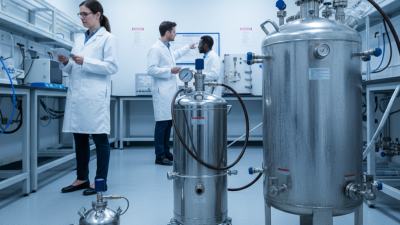
Proper ventilation is crucial when using these containers. Liquid nitrogen can displace oxygen, leading to asphyxiation in confined spaces. Regularly check the area for adequate airflow. Ensure that everyone in the vicinity is aware of the risks involved. Training is essential. Staff should understand both the handling of liquid nitrogen and the emergency procedures for accidents.

Tip: Always wear appropriate personal protective equipment, such as gloves and goggles, to minimize direct contact risks.

Maintaining containers is equally important. Routine checks for damage or leaks can prevent accidents. Even minor imperfections can lead to failure at critical moments. A study by the American Society of Safety Professionals emphasizes the importance of routine safety audits in preventing accidents.

Tip: Keep a detailed log of inspections and incidents. This record can help identify patterns and improve safety protocols over time.