Blog

What is a Bulk Liquid Nitrogen Storage Tank and How Does It Work?

In industrial settings, a bulk liquid nitrogen storage tank plays a crucial role. This tank stores nitrogen in its liquid form, allowing for efficient use in various applications. Liquid nitrogen is invaluable in fields like food preservation, pharmaceuticals, and cryogenic research.

The bulk liquid nitrogen storage tank operates under specific principles. It maintains low temperatures to keep nitrogen in its liquid state. Insulation is key to minimizing heat transfer. However, improper handling can lead to risks, including pressure buildup or spillage. Operators must be trained and aware of safety protocols.

Understanding the operation of a bulk liquid nitrogen storage tank is essential. It impacts efficiency and safety in handling nitrogen. Organizations should prioritize expertise and training for their staff. Learning from past incidents can improve procedures. This awareness fosters responsibility in handling such a vital resource.
What is a Bulk Liquid Nitrogen Storage Tank and How Does It Work?

What is a Bulk Liquid Nitrogen Storage Tank?

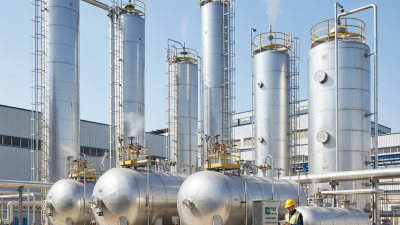
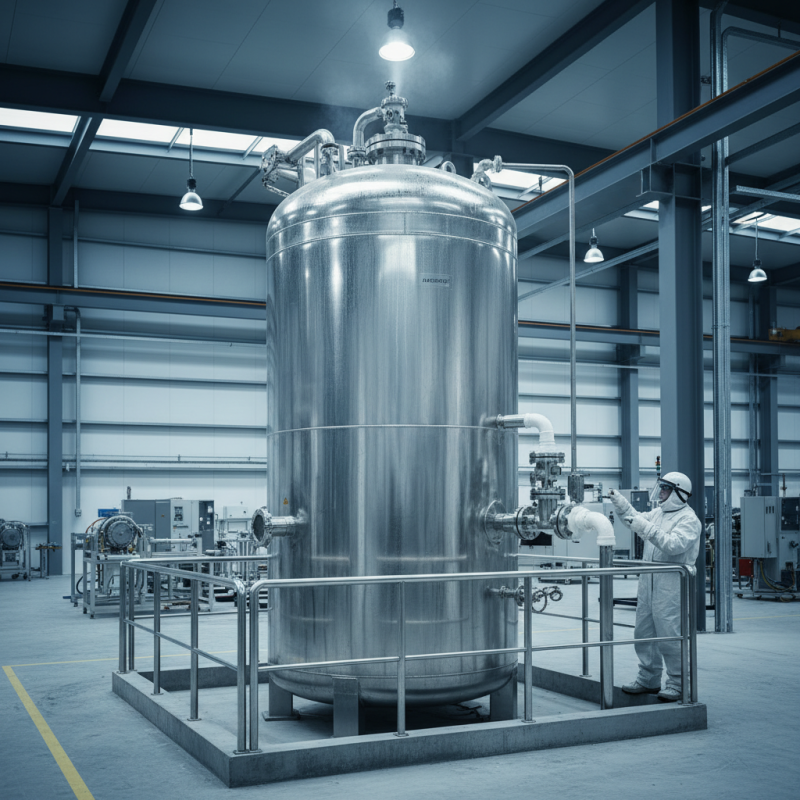
A bulk liquid nitrogen storage tank is a crucial component in various industries. It safely stores liquid nitrogen at extremely low temperatures. These tanks come in different sizes and designs, often built to suit specific operational needs.

Liquid nitrogen is vital in sectors like healthcare, food processing, and metallurgy. According to the National Institute for Occupational Safety and Health (NIOSH), liquid nitrogen is used in cryopreservation and freezing applications, showcasing its importance. Tanks can hold thousands of liters, which helps in meeting high demand. Proper insulation and pressure relief systems are critical to ensure safety during storage and handling.

However, the effectiveness of these tanks can vary. Some may face challenges related to thermal efficiency or pressure management. It is essential for industries to monitor the performance regularly. Industry reports indicate that improper maintenance leads to leaks. These issues can be detrimental, not only in cost but also in safety risks. Awareness and adherence to safety protocols can significantly mitigate these concerns while optimizing storage efficiency.

What is a Bulk Liquid Nitrogen Storage Tank and How Does It Work?

Feature Description
Definition A tank used to store liquid nitrogen in bulk quantities for various industrial applications.
Primary Use Storage and supply of liquid nitrogen for cryogenic applications, food processing, and medical uses.
Operating Temperature Approximately -196°C (-321°F).
Tank Materials Typically made of high-strength stainless steel or aluminum with insulation materials to minimize heat transfer.
Safety Features Includes safety valves, pressure relief systems, and monitoring systems for leak detection.
Installation Considerations Requires proper site selection, compliance with regulations, and adequate spacing from structures and personnel.
Maintenance Requirements Regular inspections, pressure testing, and ensuring integrity of insulation and safety systems.

Components of a Bulk Liquid Nitrogen Storage Tank Explained

What is a Bulk Liquid Nitrogen Storage Tank and How Does It Work?

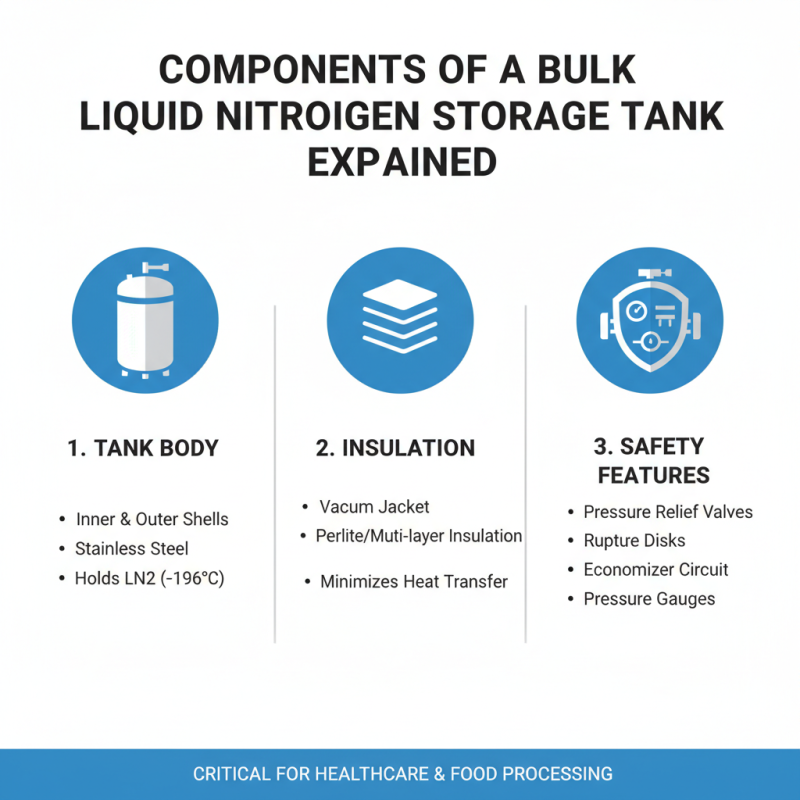
Bulk liquid nitrogen storage tanks play a critical role in various industries, including healthcare and food processing. Understanding their components is essential to ensure optimal performance and safety. The main parts include the tank body, insulation, and various safety features.

The tank body is typically made from carbon steel with a vacuum-insulated design. This minimizes heat transfer, keeping the liquid nitrogen at a stable temperature of around -196°C. Insulation is vital for energy efficiency, reducing evaporation losses. According to a report by the Cryogenic Society of America, well-insulated tanks can lower nitrogen costs by up to 20%.

Safety components are crucial for proper tank operation. Pressure relief valves, for instance, prevent excessive pressure buildup and potential explosions. Additionally, level gauges provide real-time monitoring of liquid nitrogen levels. An industry study from the American Society of Mechanical Engineers highlights that 50% of accidents can be attributed to improper maintenance of these safety features. Regular inspections and adherence to safety protocols are necessary to mitigate risks and enhance reliability.

Key Features and Specifications of Liquid Nitrogen Storage Tanks

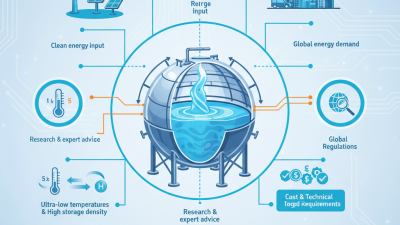
Liquid nitrogen storage tanks are crucial for various industries. These tanks are designed to hold liquid nitrogen safely and efficiently. They operate at extremely low temperatures, typically around -196°C (-321°F). This makes them suitable for applications in medical, pharmaceutical, and research settings.

Key features of these tanks include a vacuum insulation layer. This layer minimizes heat transfer, maintaining the low temperature of the stored nitrogen. Additionally, many tanks come with advanced pressure relief systems. These systems ensure safe operation by preventing pressure build-up. It’s also important to note that the construction materials used must be compatible with cryogenic temperatures.

Specifications can vary widely. Some tanks are portable, while others are stationary. Size can range from a few liters to thousands. This variability allows for flexibility in meeting different storage needs. Regular maintenance and inspection are necessary too—neglecting this can lead to inefficiencies, leaks, or hazards. Developing a rigorous maintenance schedule is essential for reliability.

Liquid Nitrogen Storage Tank Capacity and Usage

This bar chart represents the number of liquid nitrogen storage tanks available at various capacities. It's crucial to understand the distribution of tank capacities when evaluating storage solutions for liquid nitrogen in various applications.

Safety Standards and Regulations for Bulk Liquid Nitrogen Storage

When it comes to bulk liquid nitrogen storage, safety standards are paramount. These tanks must comply with strict regulations to ensure safe handling and storage. Facilities using these tanks must conduct regular inspections. This involves checking for any leaks or structural integrity issues. Compliance with local, national, and international standards is essential for safety.

Tip: Always keep emergency equipment nearby. This includes fire extinguishers and spill kits. Ensure all workers are trained in emergency procedures. Missteps in handling can lead to dangerous situations.

Another critical aspect is proper ventilation. Liquid nitrogen can displace oxygen in the air, creating a suffocation risk. Adequate airflow systems must be in place to prevent this hazard. Operators must be aware of the symptoms of nitrogen exposure. Education is key in maintaining a safe work environment.

Tip: Regular training sessions are vital. Refresh workers’ knowledge on safety protocols frequently. It’s not enough to know the rules; applying them consistently is crucial. Overlooking small details can have significant consequences.

Applications and Industries Utilizing Liquid Nitrogen Storage Tanks

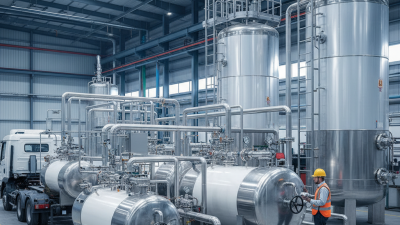
Liquid nitrogen storage tanks play a vital role in various industries. They securely store liquid nitrogen, which is used for cooling and preservation. Hospitals utilize these tanks for cryopreservation of biological samples. Research laboratories depend on them to maintain low temperatures for experiments. Food industries use liquid nitrogen for flash freezing, helping to retain freshness and texture.

Tip: Always monitor the tank levels. Regular checks can prevent dangerous situations. Ensure proper ventilation in storage areas.

In metals and manufacturing, liquid nitrogen assists with cryogenic treatment. This process enhances material properties, improving durability and strength. Cosmetic clinics also employ nitrogen for skin treatments, benefiting clients with smoother skin. However, considerations for storage are crucial. Improper handling can lead to risks.

Tip: Train staff on safe handling procedures. Encourage awareness of nitrogen's properties and hazards. Regular training helps maintain a safe environment for all personnel.