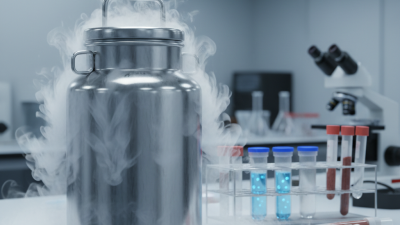
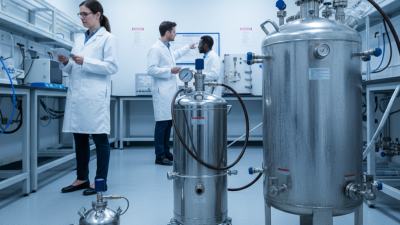
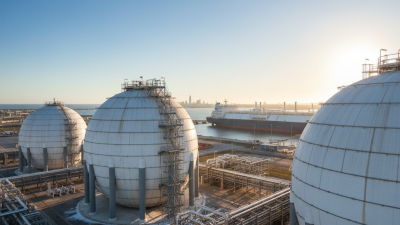
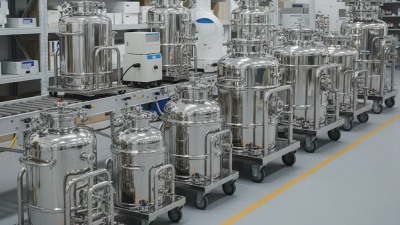
A cryostorage tank is an advanced storage solution designed for extremely low temperatures. These tanks play a critical role in preserving biological samples, pharmaceuticals, and various materials that require cryogenic conditions. The importance of maintaining the integrity of stored items cannot be overstated.
Understanding how a cryostorage tank functions is essential for professionals in many industries. The tank operates by utilizing liquid nitrogen or helium, which generates the necessary sub-zero temperatures. This ensures that samples remain viable over long periods. However, despite their reliability, cryostorage tanks are not infallible. Regular maintenance and monitoring are crucial for preventing temperature fluctuations that could compromise stored contents.
Moreover, the cost of operating a cryostorage tank can be significant. Organizations often grapple with balancing efficiency and expenses. The need for proper training and expertise in handling these tanks is also a pressing concern. By appreciating the technology behind cryostorage tanks, users can enhance their effectiveness and reliability.
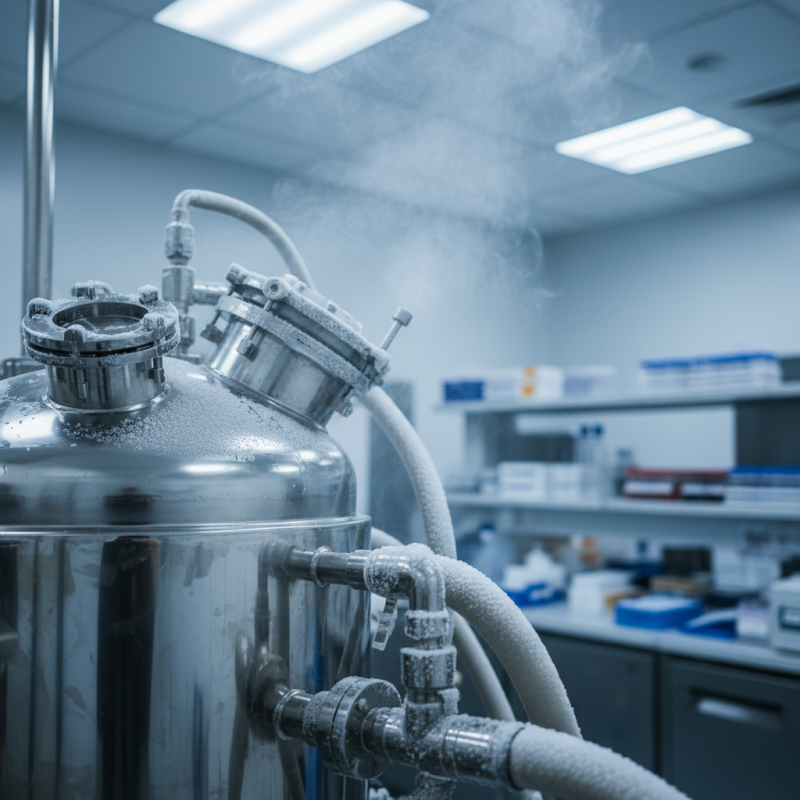
Cryostorage tanks are specialized containers designed to store materials at extremely low temperatures. These tanks serve various industries, including healthcare, food preservation, and industrial applications. According to a report by Grand View Research, the global cryogenic tank market is expected to grow significantly, driven by the increasing demand for liquefied natural gas (LNG) and biomedical applications.
The primary function of a cryostorage tank is to maintain a low temperature, typically below -150°C (-238°F). This is crucial for preserving biological samples or sensitive materials that can degrade at higher temperatures. Notably, a 2021 study published in the Journal of Cryobiology highlighted that proper storage conditions can extend the viability of biological specimens by up to 70%. The design of these tanks must be robust, ensuring that insulation is effective and the risk of temperature fluctuations is minimized.
However, there are challenges in the use of cryostorage tanks. One significant issue involves the potential for leaks, which can result in costly losses or even dangerous situations. Regular maintenance, inspections, and adherence to safety regulations are essential. Industry professionals estimate that around 30% of cryogenic tank failures stem from improper maintenance practices. These factors underscore the importance of ensuring reliable operational protocols to avoid potential mishaps.
This chart illustrates the percentage of cryostorage tank usage across different industries. The medical field leads with 40%, followed by food and beverage at 25%, while aerospace, research, and energy each account for smaller fractions.
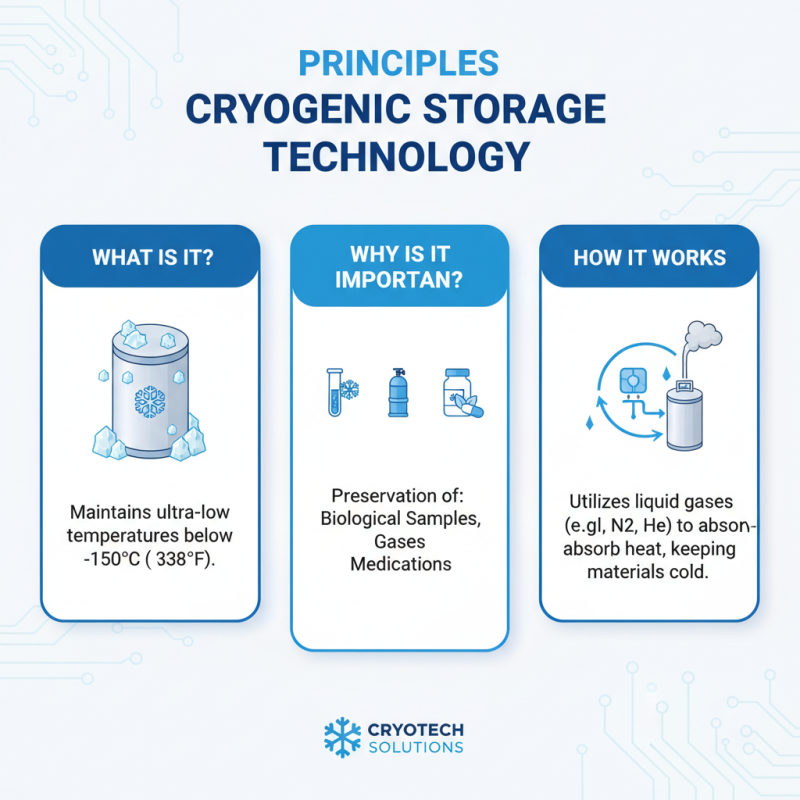
Cryogenic storage technology is a fascinating field that plays a critical role in various industries. Cryostorage tanks are designed to maintain extremely low temperatures, typically below -150°C. This is necessary for preserving materials such as biological samples, gases, and even specific medications. The principle of cryogenic storage relies on thermodynamic cycles that utilize liquid gases like nitrogen or helium. These gases absorb heat from the stored material, keeping them adequately cold.
For effective operation, it’s essential to monitor the tanks regularly. Inconsistent temperatures can compromise stored materials. Small fluctuations can lead to significant losses in quality. Fortunately, most cryostorage tanks come equipped with advanced sensors and alarms that alert operators to any temperature variations.
Tip: Regular maintenance checks on cryostorage tanks are crucial. Inspecting insulation and seals can prevent unwanted leaks.
Another important aspect is understanding the filling methods for cryostorage tanks. Proper filling techniques ensure the liquid gases remain at optimal levels. Mismanagement of the filling process can result in both safety hazards and operational inefficiencies.
Tip: Always train personnel on correct filling procedures. Knowledgeable staff reduce the risk of accidents.
Utilizing cryostorage requires ongoing education. Keeping up with advancements can improve the reliability of your storage solutions. Always seek information from credible sources to enhance operational safety.
Cryostorage tanks are essential for storing materials at incredibly low temperatures. These tanks are designed with specific components to ensure safety and efficiency. Insulation is crucial; it minimizes heat transfer. Advanced materials such as vacuum panels often provide this insulation, leading to better performance.
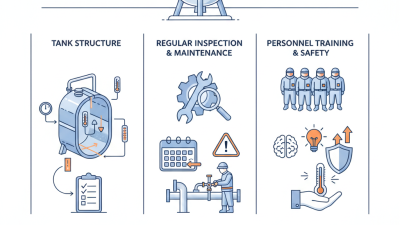
The tank structure typically includes a double-wall design. This separates the inner and outer walls, creating a vacuum. This vacuum prevents heat from entering. Additionally, cryostorage tanks have safety valves to relieve pressure. These valves ensure that any excess pressure is safely released, avoiding dangerous ruptures.
Monitoring systems play a vital role in cryostorage. Sensors constantly track temperature and pressure. Effective monitoring is key to maintaining optimal storage conditions. Regular maintenance is necessary to prevent potential failures. Some tanks may show wear over time, requiring evaluation. Understanding these components helps ensure the reliability of cryostorage systems in various applications.
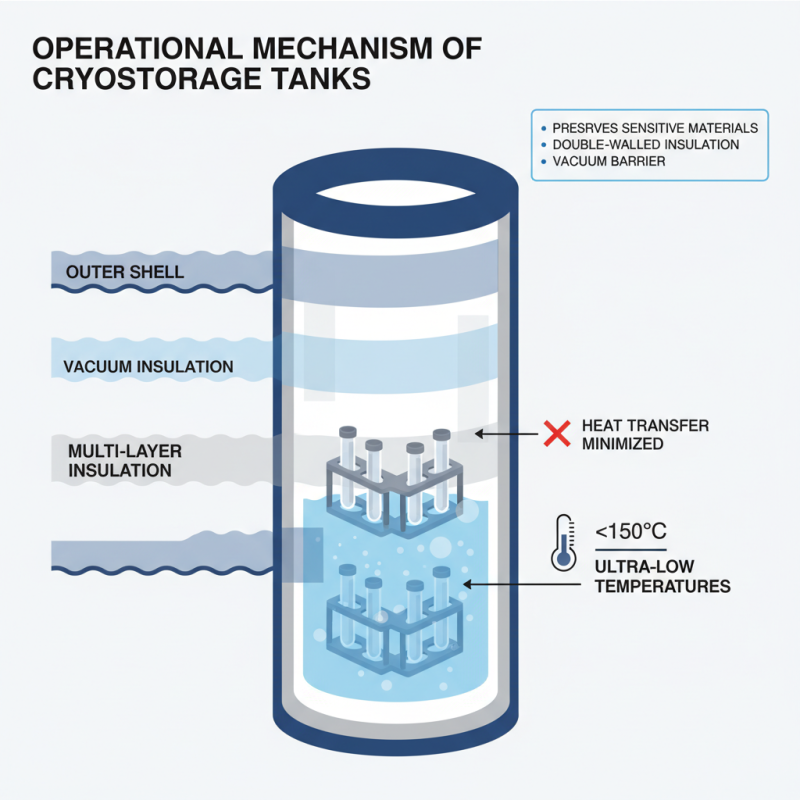
Cryostorage tanks are crucial for the preservation of sensitive materials. These tanks operate at ultra-low temperatures, often below -150°C. Their structure is designed for efficiency. They are insulated to minimize heat transfer, which helps maintain the low temperature. A vacuum layer usually encases the tank. This vacuum acts as an additional barrier against external heat.
The filling mechanism is carefully controlled. Liquefied gases enter at regulated rates. This prevents rapid temperature fluctuations inside the tank. A system of sensors constantly monitors the temperature. If the temperature rises, alarms trigger. This alerts operators to potential issues. The material inside remains stable, preserving its integrity.
However, there are challenges. Regular maintenance is essential. If a tank is not checked, its efficiency may decline. Issues like leaks can occur over time. Operators must be vigilant. Once a problem arises, the costs can escalate quickly. These risks highlight the importance of reliability in cryogenic storage.
Cryostorage tanks are essential in various industries for preserving materials at ultra-low temperatures. These tanks are used in healthcare, aerospace, and food processing. For example, the biotechnology sector relies on cryostorage for cell and tissue preservation. Such practices are vital for research and medical applications, ensuring samples remain viable over time.
In the food industry, cryostorage helps maintain the quality of perishables. Studies show that freezing food reduces spoilage by up to 50%. Properly managed cryogenic systems can prolong shelf life and ensure food safety. One challenging aspect is maintaining consistent temperatures. Fluctuations can compromise the integrity of stored products.
Tips: Regular maintenance of cryostorage tanks is crucial. Check temperature controls often to avoid unexpected losses. Also, consider implementing a monitoring system for real-time updates. Awareness of these details can significantly impact the reliability of your storage methods.