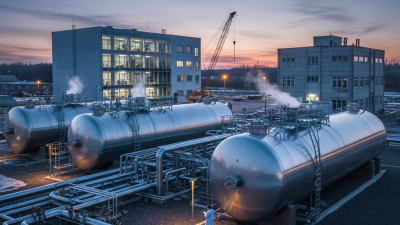
The growing interest in sustainable energy solutions has highlighted the importance of liquid hydrogen storage tanks. According to the Hydrogen Council, hydrogen production could result in a $2.5 trillion market by 2050. Liquid hydrogen storage tanks play a crucial role in this transformation. They enable safe, efficient storage of hydrogen in its liquefied form, making it easier to transport and utilize.
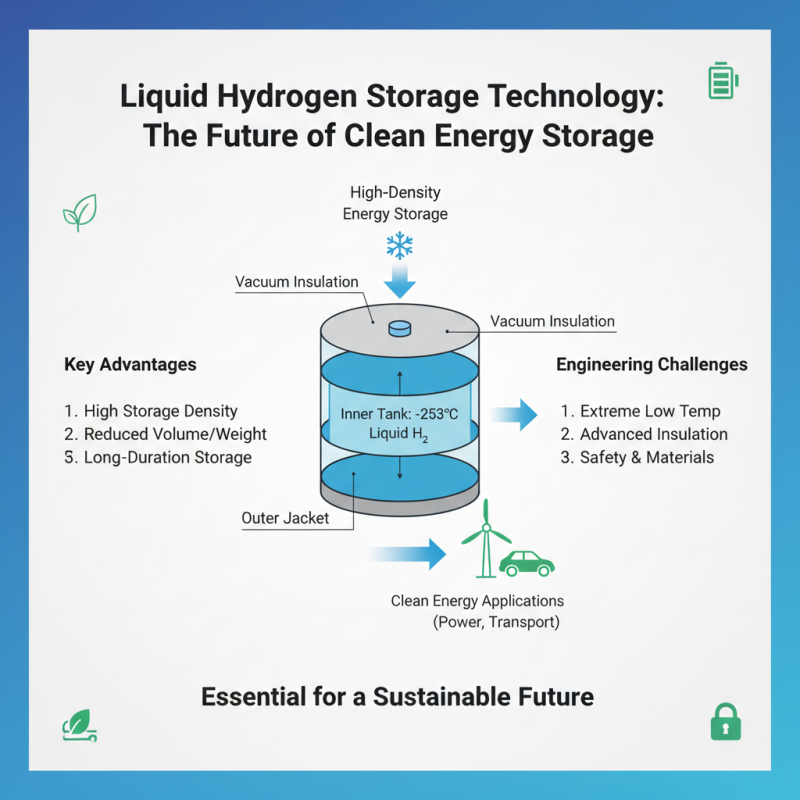
These tanks offer various benefits, such as increased density and reduced space requirements. For instance, liquid hydrogen has a density of around 70.8 grams per liter, allowing for more fuel to be stored in smaller volumes. However, the technology is not without challenges. The extreme temperatures required for liquefaction necessitate advanced materials and safety measures.
Investors and companies must address these issues to harness the full potential of liquid hydrogen. The industry's rapid development means there are ongoing hurdles, but the benefits remain compelling. Liquid hydrogen storage tanks could unlock new possibilities for clean energy applications, significantly impacting global energy dynamics.

Liquid hydrogen storage tanks offer a unique solution for energy efficiency. They enable the safe and effective storage of hydrogen, which is essential for various energy applications. According to a report by the U.S. Department of Energy, liquid hydrogen is one of the most energy-dense fuels available. It provides a higher energy content per unit mass compared to traditional fuels.
These tanks play a crucial role in energy transitions. They help store energy generated from renewable sources, such as wind and solar. With proper management, this stored hydrogen can be converted back to electricity when demand peaks. The energy efficiency potential is significant, with some estimates suggesting up to 70% efficiency during the conversion processes.
Tips: When considering liquid hydrogen tanks, evaluate the site conditions. Temperature control is crucial for maintaining the liquid state. A focus on insulation can prevent energy losses.
Liquid hydrogen is not without challenges. Safety measures must be robust, given its flammability. Temperature fluctuations can lead to inefficiencies in storage systems. Ensuring proper protocols and ongoing training is vital for safe operations.
Overall, liquid hydrogen storage tanks present exciting prospects for enhancing energy efficiency while also demanding careful consideration of their inherent challenges.
Liquid hydrogen storage tanks offer numerous advantages that significantly contribute to energy efficiency. The following chart illustrates the key benefits, emphasizing their impact on sustainability and energy management.
Liquid hydrogen storage tanks are crucial for the energy sector. Enhanced safety features stand out in these systems.
One notable innovation is the use of advanced insulation materials. These materials significantly reduce the risk of hydrogen boil-off.
According to industry reports, improved insulation can achieve a thermal efficiency of up to 95%. This efficiency lowers the chances of pressure build-up in tanks.
Moreover, modern liquid hydrogen storage systems often include multiple safety valves and pressure relief mechanisms.
In some setups, these features can reduce the risk of leaks by more than 50%. Such statistics underline the importance of robust design.
However, despite these advancements, accidents still occur. The 2021 report indicated that incidents related to hydrogen leakage persist, pointing to areas for improvement.
Training for personnel is another critical factor. Studies show that facilities with regular safety drills have a 30% lower incident rate. Yet, not all facilities implement this consistently.
Transparency in operations sometimes lags behind the technology. Addressing human factors alongside machine capabilities is essential. Enhanced safety features can only take systems so far without proper training and vigilance.
Cost-Effectiveness of Liquid Hydrogen Storage Solutions
Liquid hydrogen storage tanks offer a range of cost-effective benefits for various industries. The price of hydrogen fuel is competitive, especially when stored in liquid form. This efficient storage reduces transportation costs. Moreover, having hydrogen stored as a liquid takes up less space than gas. This means lower costs for facilities and logistics.
When considering liquid hydrogen, efficiency is crucial. Tanks need to be well-insulated to minimize energy loss. An investment in high-quality insulation can pay off. Always check the thermal performance of storage solutions. This reduces waste and enhances cost savings.
Tips: Look for local suppliers. They might provide better deals. Also, consider the long-term savings versus initial investment. Over time, the cost benefits could be significant.
Remember that while savings are important, safety cannot be overlooked. Evaluate all risks associated with hydrogen storage. Understanding potential pitfalls can help in making smarter business decisions.
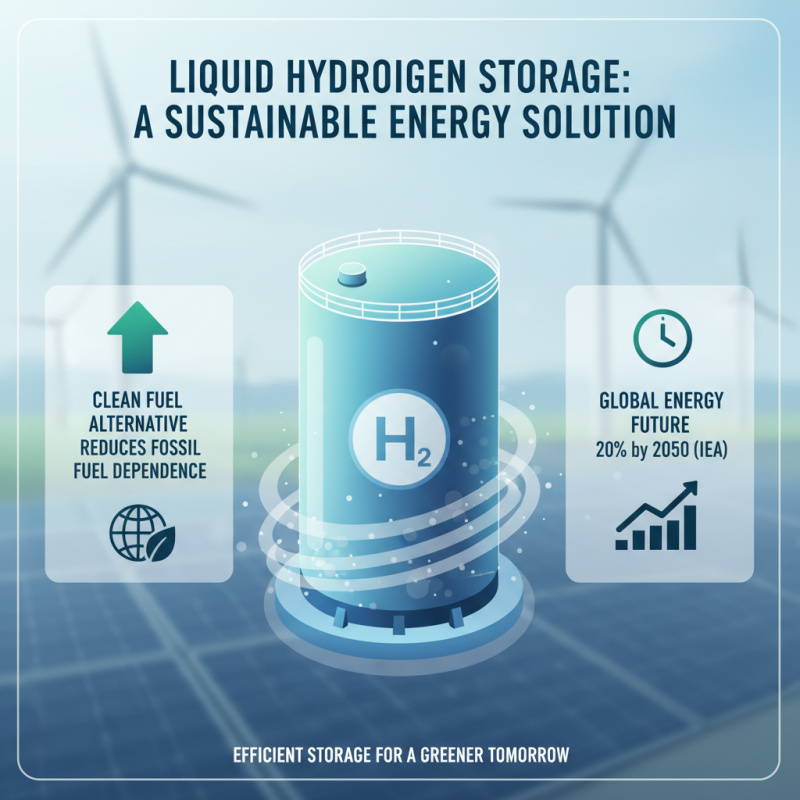
Liquid hydrogen storage tanks present significant environmental benefits. These tanks enable efficient storage of hydrogen, a clean fuel alternative. According to the International Energy Agency, hydrogen could provide up to 20% of global energy needs by 2050. This transition reduces reliance on fossil fuels.
Using liquid hydrogen for energy can greatly decrease carbon emissions. When hydrogen is burned or used in fuel cells, it produces only water vapor. This process contrasts sharply with traditional fuels that emit CO2 and other greenhouse gases. Surprisingly, even with efficient storage, we must address potential leaks. Hydrogen is the lightest element and can escape if not properly contained, leading to environmental concerns.
Additionally, hydrogen can be produced from renewable sources like wind and solar. The World Hydrogen Council estimates that up to 25 million tonnes of hydrogen could be produced from renewables by 2030. This shift could foster cleaner air in urban areas. However, the infrastructure for hydrogen storage needs development. Accessibility remains a challenge for wider adoption. Finding balance in these advancements is crucial for maximized environmental benefits.
Innovations in liquid hydrogen storage technology are rapidly evolving. As the push for clean energy increases, efficient storage solutions have become essential. Liquid hydrogen storage tanks offer high-density solutions. They can store hydrogen at temperatures around -253°C. This extreme environment presents challenges in insulation and safety.
Recent studies from the Hydrogen Council highlight that improvements in tank design can reduce energy losses significantly. New materials are being explored to enhance thermal insulation. Advanced composites could help mitigate weight while improving performance. Innovative tank designs also focus on safety features. They must withstand the pressures of high-volume hydrogen storage.
Despite these advancements, several concerns persist. For instance, the complexities of large-scale manufacturing can hinder progress. Scaling production to meet demand remains a significant challenge. Additionally, while new technologies show promise, long-term reliability needs further investigation. The industry must address these gaps to fully harness liquid hydrogen's potential.