Blog

Top 10 Types of Cryogenic Liquid Tanks for Global Buyers

Choosing among cryogenic liquid tanks is not a simple capacity decision. Global buyers must examine temperature control, pressure ratings, insulation, mobility, maintenance, and site conditions. A tank that performs well in a coastal port may struggle in a high-altitude facility.

Dr. Klaus D. Timmerhaus, a respected cryogenics researcher, defined the field clearly: “Cryogenics is the science and technology of temperatures below 120 K.” His statement highlights the demanding environment these vessels must manage. Liquefied oxygen, nitrogen, argon, hydrogen, and natural gas require carefully engineered containment. Small design weaknesses can cause product loss, excessive evaporation, or unsafe pressure changes.

This guide reviews ten practical types of cryogenic liquid tanks used across industrial, medical, energy, laboratory, and transport applications. It considers stationary storage tanks, vacuum-insulated vessels, horizontal and vertical designs, transport tanks, microbulk systems, and specialized solutions. Each type has a different balance of volume, accessibility, installation cost, and operating risk.

Real purchasing decisions are rarely perfect. Available space may limit the best design. Delivery schedules may pressure teams into accepting compromises. That deserves reflection. Buyers should verify materials, weld quality, vacuum performance, relief systems, inspection records, and supplier support before signing an order. Standards and local safety requirements also vary by market, so technical documents must be reviewed by qualified professionals.

Look beyond the catalog photo. A polished exterior proves little. The right cryogenic liquid tanks should match the fluid, duty cycle, climate, handling method, and long-term service plan. That practical fit often matters more than the lowest initial price.
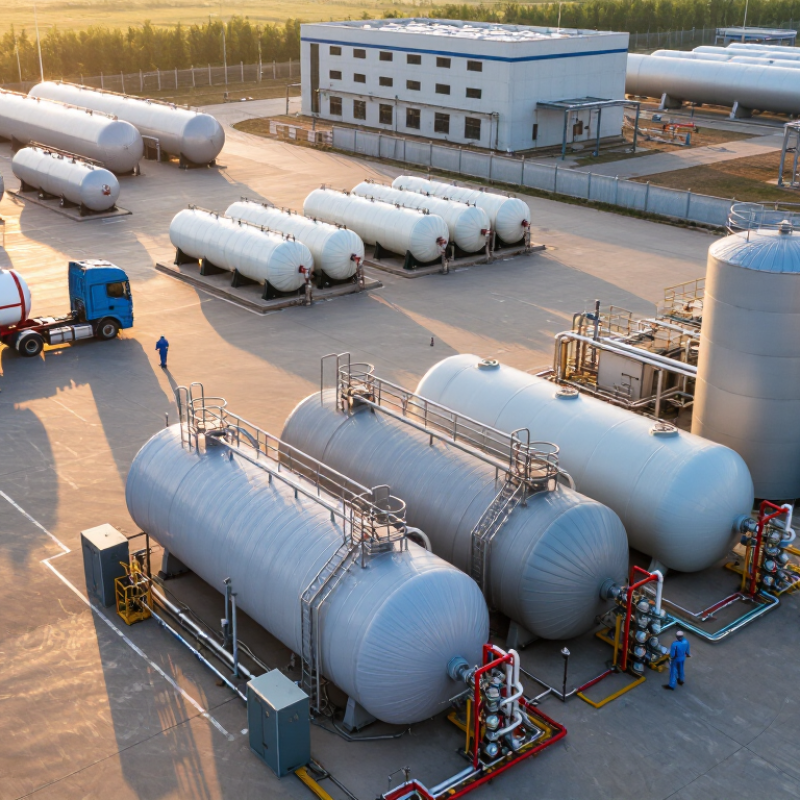
Top 10 Types of Cryogenic Liquid Tanks for Global Buyers

Cryogenic Liquid Tanks: Purpose, Structure, and Operating Principles

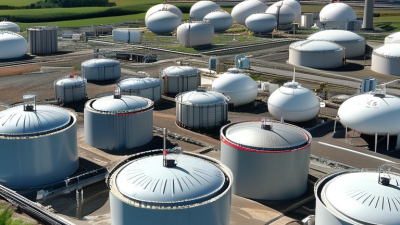
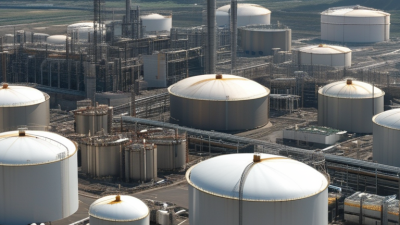
Cryogenic liquid tanks store gases such as nitrogen, oxygen, argon, hydrogen, and LNG in liquid form. The U.S. Energy Information Administration reports that LNG expands about 600 times when vaporized. This explains the need for strong pressure control. Common designs include vertical and horizontal vacuum tanks, perlite-insulated vessels, foam-insulated tanks, transport tanks, ISO containers, microbulk units, mobile tanks, and low-pressure storage vessels. Each type serves a different delivery scale.

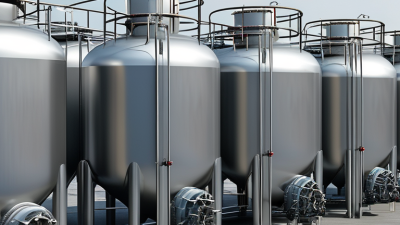
A typical tank uses an inner stainless-steel vessel, an outer carbon-steel shell, insulation, valves, sensors, and a relief system. The vacuum space reduces heat transfer, while multilayer insulation limits radiation. Liquid enters through a controlled filling line. Heat slowly creates vapor, called boil-off gas. A pressure-building circuit returns some liquid through a heat exchanger. The vapor then raises tank pressure safely. According to the National Fire Protection Association, pressure-relief protection is essential because blocked-in cryogenic liquid can expand rapidly. Small design details matter. A faulty gauge can mislead operators.

Tips: Check vacuum performance, relief settings, weld records, and oxygen-cleaning certificates before purchase. Ask for real inspection data, not only brochures. Confirm the working pressure, daily evaporation rate, and foundation load. IEA’s Global Hydrogen Review 2024 shows hydrogen demand reached about 97 million tonnes in 2023, yet low-emissions supply remained below one percent. This gap may increase demand for reliable storage. Still, tank selection should follow actual temperature, pressure, transport, and maintenance conditions. Standard assumptions often fail in humid, remote, or frequently cycled sites.
Ten Major Cryogenic Tank Types Used in Global Applications

Ten major cryogenic tank types serve different global applications. Vertical fixed tanks support hospitals, laboratories, and industrial plants. Horizontal fixed tanks suit sites with limited headroom. Low-pressure atmospheric tanks handle large nitrogen or oxygen reserves. High-pressure storage tanks support controlled distribution and vaporization. Microbulk tanks supply smaller facilities without frequent cylinder deliveries.

Open-neck dewars store small laboratory quantities. Pressurized dewars provide liquid transfer through insulated lines. Road tankers move cryogenic liquids between production sites and users. ISO tank containers support intermodal shipping by truck, rail, and vessel. Rail tank cars serve long-distance bulk transport. Marine cryogenic tanks support specialized sea transport. Each design balances capacity, insulation, pressure, access, and maintenance. A compact tank may save space, yet demand more frequent deliveries.

Tips: Confirm the liquid, operating pressure, filling rate, and daily usage before selection. Check vacuum performance, relief devices, foundation loads, and connection sizes. Local inspection requirements also matter. Do not judge capacity from external dimensions alone. A tank with excellent insulation can still perform poorly after rough handling. In practice, buyer specifications are sometimes too neat. Real sites have uneven floors, changing demand, and limited maintenance access. Leave room for those imperfect conditions.

Tank Design Differences by Cryogenic Liquid, Capacity, and Pressure

Top 10 Types of Cryogenic Liquid Tanks for Global Buyers

Cryogenic tanks are not interchangeable. Their design depends on liquid properties, storage capacity, and working pressure. Most use a double-wall structure with vacuum insulation and multilayer insulation. Vertical tanks save floor space, while horizontal tanks often suit transport or limited-height sites. Small dewars support laboratories and clinics. Larger stationary vessels serve manufacturing, healthcare, and energy facilities.

Liquid nitrogen and argon usually require reliable vacuum insulation, pressure control, and low-temperature stainless steel. Oxygen service demands exceptionally clean, oxygen-compatible surfaces and carefully selected valves. Hydrogen needs specialized materials because of its low density and penetration risks. Liquefied natural gas requires vapor management and strict ignition-control planning. Liquid carbon dioxide needs controlled pressure above its triple point, or solid carbon dioxide may form. The details matter.

Capacity should match daily consumption, delivery intervals, and available foundation strength. Higher pressure ratings can reduce venting during short demand peaks, but they may increase cost and inspection requirements. Buyers should verify relief settings, instrument ranges, weld inspection records, and applicable local codes. Not every tank fits. A common mistake is choosing volume before studying withdrawal patterns. A tank that looks oversized may still fail during seasonal demand. Sizing is rarely perfect on the first pass, so operating data and supplier calculations deserve a second review.

Top 10 Types of Cryogenic Liquid Tanks for Global Buyers - Tank Design Differences by Cryogenic Liquid, Capacity, and Pressure

No. Tank Type Typical Cryogenic Liquid Approximate Operating Temperature Typical Nominal Capacity Typical Design or Operating Pressure Primary Construction and Insulation Common Applications Key Design Difference
1 Vertical Vacuum-Insulated Storage Tank Liquid nitrogen (LIN) Approximately −196°C 5–150 m³ Usually 3–22 bar(g), depending on service and vessel class Double-wall vessel with an inner stainless-steel tank, outer carbon-steel jacket, vacuum space, and multilayer insulation Hospitals, laboratories, food freezing, electronics, and industrial gas supply Designed for low heat leak and long holding time; nitrogen service generally requires less stringent oxygen-cleaning controls than oxygen service
2 Vertical Oxygen-Service Cryogenic Tank Liquid oxygen (LOX) Approximately −183°C 10–200 m³ Typically 3–25 bar(g) Vacuum-insulated double-wall construction with oxygen-compatible materials, cleaned components, and dedicated pressure-relief systems Medical oxygen systems, metal cutting, water treatment, and chemical processing Oxygen compatibility and strict degreasing are essential because hydrocarbons and other contaminants can create a fire or ignition hazard
3 Horizontal Vacuum-Insulated Bulk Tank Liquid nitrogen, oxygen, or argon Approximately −186°C to −196°C 10–100 m³ Typically 8–25 bar(g) Horizontal inner vessel supported inside an outer jacket, with vacuum and multilayer or perlite insulation Industrial gas distribution, welding facilities, hospitals, and manufacturing plants The horizontal layout simplifies transport and installation where headroom is limited, but it requires careful saddle-support and liquid-level management
4 Low-Pressure Liquid Carbon Dioxide Tank Liquid carbon dioxide (CO₂) Commonly −20°C to −30°C 5–100 m³ Typically 15–24 bar(g) Insulated pressure vessel, commonly with polyurethane or perlite insulation; refrigeration or pressure-control equipment may be used Food and beverage processing, welding, water treatment, and chemical production CO₂ is stored above its triple-point pressure, so pressure control and refrigeration are central to preventing dry-ice formation and excessive pressure rise
5 LNG Double-Wall Storage Tank Liquefied natural gas (LNG) Approximately −162°C 100–160,000 m³ Small tanks commonly 3–10 bar(g); large atmospheric tanks generally operate near atmospheric pressure Inner stainless-steel or nickel-alloy tank, outer carbon-steel containment, and perlite or cellular-glass insulation Fueling stations, power generation, marine fuel supply, and import or export terminals Large LNG tanks emphasize vapor management, boil-off-gas handling, seismic design, and secondary containment rather than high pressure
6 Cryogenic ISO Tank Container LNG, LIN, LOX, LAR, or other approved cryogenic liquids Approximately −162°C to −269°C, depending on cargo Typically 20–40 m³ Commonly 7–25 bar(g), subject to tank code and cargo Intermodal vacuum-insulated pressure vessel built into a standardized container frame with transport valves and safety devices International multimodal transport by ship, rail, and road The tank must satisfy applicable transport regulations and lifting, tie-down, impact, and interchangeability requirements in addition to pressure-vessel rules
7 Transportable Cryogenic Liquid Cylinder Liquid nitrogen, oxygen, argon, or carbon dioxide Approximately −20°C to −196°C, depending on liquid 20–1,000 L water capacity Typically 1.5–30 bar(g), depending on product and cylinder design Vacuum-insulated stainless-steel inner vessel with a protective outer shell, pressure-building coil, and relief valve Small laboratories, clinics, restaurants, welding operations, and local delivery Portable form factor and integrated pressure-building equipment provide flexibility, but the usable liquid volume is much lower than bulk tanks
8 Liquid Helium Storage Dewar Liquid helium (LHe) Approximately −269°C, or 4.2 K at atmospheric pressure 50–5,000 L Usually near atmospheric pressure to approximately 3 bar(g) Highly efficient vacuum vessel with multilayer superinsulation, low-conductivity supports, and a vent or recovery connection Superconducting magnets, cryogenic research, particle physics, and low-temperature laboratories Helium has an extremely low boiling point and high cost, so minimizing heat leak, controlling vapor loss, and enabling helium recovery are critical
9 Liquid Hydrogen Storage Tank Liquid hydrogen (LH₂) Approximately −253°C, or 20 K 5–5,000 m³ Commonly 1–10 bar(g), with project-specific pressure design Double-wall vacuum-insulated vessel with multilayer insulation, hydrogen-compatible materials, venting, and controlled boil-off management Aerospace, hydrogen mobility, energy research, and specialized industrial supply Very low temperature, hydrogen permeation, material embrittlement, flammability, and unavoidable boil-off require specialized safety and vent-system design
10 Microbulk Cryogenic Storage System Liquid nitrogen, oxygen, argon, or carbon dioxide Approximately −20°C to −196°C, depending on liquid 1–10 m³ Typically 8–25 bar(g), depending on service Compact vacuum-insulated tank with automatic filling, telemetry, pressure-building, vaporization, and liquid-level monitoring equipment Healthcare sites, food processing, laboratories, hospitality, and medium-sized manufacturing plants Combines bulk storage with automated delivery and monitoring, reducing cylinder handling while requiring site-specific vaporizer and utility connections

Note: The temperature, capacity, and pressure figures are typical engineering ranges rather than universal limits. Final selection must be based on the cryogenic liquid, applicable pressure-vessel and transport regulations, site conditions, filling method, relief-device sizing, and required holding time.

Key Selection Criteria for International Buyers

Top 10 Types of Cryogenic Liquid Tanks for Global Buyers

Choosing a cryogenic liquid tank requires more than comparing volume and price. International buyers should match the tank type to the fluid, duty cycle, and installation environment. Common options include stationary vacuum-insulated tanks, transport tanks, microbulk tanks, horizontal tanks, vertical tanks, and low-pressure storage vessels. Specialized designs may support liquid oxygen, nitrogen, argon, carbon dioxide, or other approved industrial gases. The application decides the better fit.

Key Selection Criteria for International Buyers

Check working pressure, design temperature, usable capacity, vacuum performance, and pressure-relief protection. A 20,000-liter tank may not provide 20,000 liters of practical storage. Allowance is needed for expansion, residual liquid, and safe operating limits. Review inner-vessel materials, insulation thickness, weld quality, and corrosion resistance. Site access also matters. Measure door widths, lifting paths, foundation strength, and distance from nearby equipment. For overseas delivery, confirm loading dimensions, sea-fastening requirements, documentation, and local inspection procedures. Requirements can differ sharply between countries.

Tips: Request test records, material certificates, drawings, and maintenance instructions before payment. Ask how boil-off rates were measured, not only the advertised figure. Verify valves and connections against your existing system. Do not ignore climate. High humidity, salt air, or extreme heat can change maintenance needs. A perfect specification on paper may still fail during installation. Recheck assumptions with an experienced engineer and the local authority before final approval.

Safety Standards, Transportation, Maintenance, and Lifecycle Costs

Cryogenic liquid tanks differ by duty: vertical or horizontal vacuum-insulated vessels, double-wall storage tanks, ISO tank containers, road trailers, rail cars, microbulk tanks, portable dewars, and smaller laboratory vessels. Global buyers should match tank design with oxygen, nitrogen, argon, LNG, or hydrogen service. ISO 21009-1 addresses static vacuum-insulated vessels, while ISO 20421 covers large transportable vessels. Regional transport rules, including ADR, may add testing and labeling duties.

Safety depends on more than steel thickness. Relief valves need correct set points, discharge routing, and regular testing. Operators should inspect vacuum performance, insulation damage, hoses, grounding, and emergency shutoff systems. The IGU World LNG Report 2024 recorded about 404.3 million tonnes of LNG trade in 2023. That scale shows why transport compatibility and transfer procedures matter. A tank that performs well at the plant may become risky after repeated loading, vibration, and temperature cycling.

Lifecycle cost includes purchase price, inspection, valve replacement, vacuum recovery, cleaning, transport, and product loss. The U.S. Department of Energy’s Hydrogen Delivery Scenario Analysis estimates liquefaction can consume roughly 25–35% of hydrogen’s energy content. Therefore, poor insulation can multiply operating losses. A spreadsheet can still mislead. Real costs change with route distance, filling frequency, local labor, and downtime. Buyers should request test records, heat-leak data, maintenance intervals, and a ten-year ownership model before selecting among the ten tank types.