Blog

How to Store Liquid Nitrogen Tanks Safely?

Storing liquid nitrogen safely requires more than placing a tank in an unused corner. Liquid nitrogen can rapidly expand into gas and reduce oxygen levels without obvious warning. A suitable liquid nitrogen tank storage area should be well ventilated, dry, clearly marked, and protected from unauthorized access. Never use a sealed room, vehicle compartment, or poorly ventilated basement for routine storage. Oxygen deficiency can become dangerous before anyone notices symptoms.

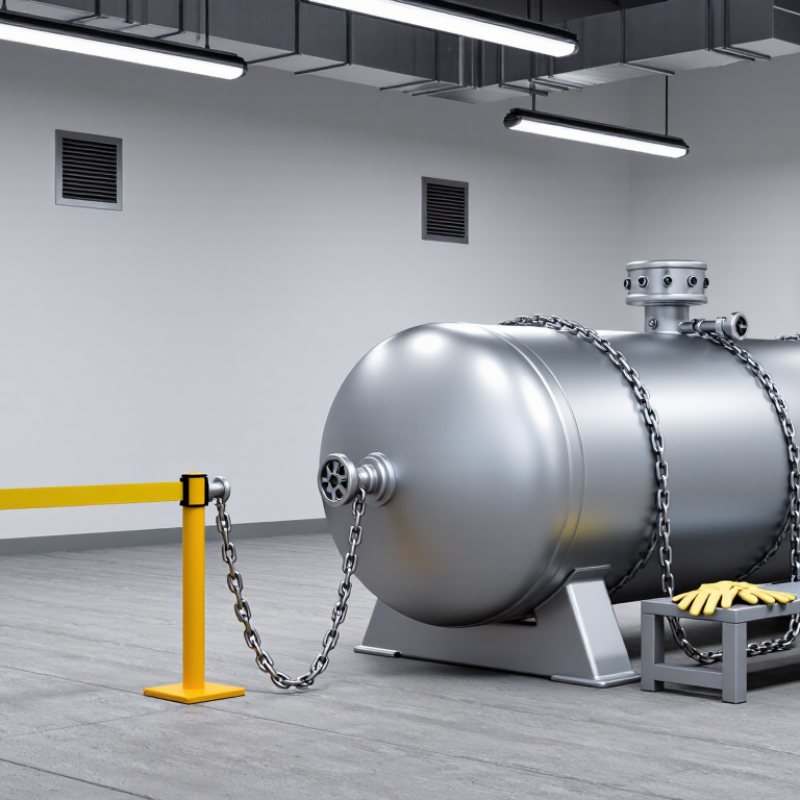
Keep each tank upright and secure it with a suitable chain or restraint. The container should stand on a stable, level surface away from heat, direct sunlight, water, and busy walkways. Leave enough space around the tank for inspection and safe handling. Use only compatible transfer lines, pressure-relief devices, and protective equipment recommended by the manufacturer. Face protection, insulated gloves, long trousers, and closed footwear reduce exposure risks, but they do not replace training.

Check the tank, valves, labels, and relief components regularly. Frost, damaged insulation, unusual pressure, or hissing sounds deserve immediate attention. Do not block a relief valve or seal a venting container. A written inspection record helps, although records alone cannot guarantee safe practice. Staff should know the emergency route, ventilation controls, and reporting procedure before handling the tank. Some facilities may also need oxygen monitoring, depending on room size and ventilation design. Local safety requirements and supplier instructions must guide the final arrangement. Small oversights matter. A safer storage plan is reviewed, tested, and improved when real experience reveals weaknesses.
How to Store Liquid Nitrogen Tanks Safely?

Define the Hazard: Liquid Nitrogen Boils at −196°C and Expands ~700:1

Liquid nitrogen boils at −196°C, far below the temperature of ordinary freezers. As it warms, one volume of liquid can expand into roughly 700 volumes of nitrogen gas. This rapid expansion can displace oxygen in an enclosed room. The atmosphere may become dangerous before anyone notices a smell, color change, or warning sensation. Cold vapor can also damage skin and eyes within seconds. Storage is not only about keeping the tank cold.

Tips:
Keep the tank upright, stable, and secured against tipping. Use a well-ventilated area with clear access around the container. Never place it in a sealed cabinet, storage closet, elevator, or poorly ventilated basement. Check that pressure-relief openings remain unobstructed. Wear a face shield, safety glasses, insulated cryogenic gloves, long trousers, and closed footwear during handling. Gloves must fit properly. Loose gloves can catch liquid.

Inspect the vessel, transfer lines, and cap before each use. Frost patterns, hissing, or damaged fittings deserve immediate attention. Do not tightly seal a container holding liquid nitrogen; trapped gas can create dangerous pressure. Keep oxygen-monitoring equipment where risk assessments require it, and test alarms according to written procedures. A practical habit is recording inspections and refill dates. It reveals changes that memory misses. Even experienced staff can become casual, especially during routine work. That is where mistakes begin. Follow local safety procedures and consult trained personnel when conditions are uncertain.
Verify Ventilation: Maintain Atmospheric Oxygen Above OSHA’s 19.5% Limit

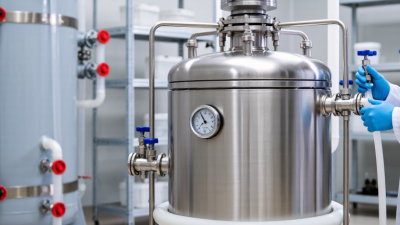
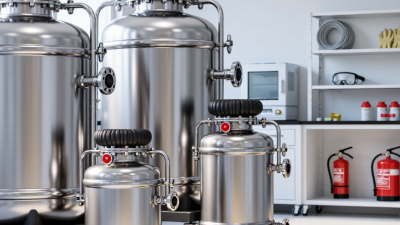
Safe storage of liquid nitrogen begins with air quality, not the tank’s appearance. As nitrogen evaporates, it can displace oxygen without producing a warning smell. OSHA identifies oxygen below 19.5% as oxygen-deficient. Keep the storage room comfortably above this threshold during normal use and foreseeable leaks.

Use mechanical ventilation designed for cryogenic hazards, with exhaust located where cold vapor may collect. Low areas, pits, and enclosed corners deserve attention. A closed door is not ventilation. Install calibrated oxygen monitors near the breathing zone and near potential accumulation points. Connect alarms to a location that staff can hear or see outside the room. Test them on a documented schedule, and record calibration results.

Do not rely on one monitor. Readings can change quickly after a transfer, spill, or relief-valve discharge. Staff should understand alarm actions, including leaving the area and contacting trained emergency personnel. Never enter a suspected oxygen-deficient space without proper evaluation and specialized equipment. A portable fan may move vapor unpredictably, so it should not replace an engineered system. This is an easy mistake to make. Review ventilation performance after room changes, new equipment, or unusual frost patterns. If oxygen levels approach 19.5%, stop routine work and treat the condition seriously.

Choose Approved Tanks with Vacuum Insulation and Functional Relief Devices

Liquid nitrogen tanks should be approved pressure vessels designed for cryogenic service. Choose models with vacuum insulation, certified materials, and traceable inspection records. Vacuum insulation limits heat transfer, reducing evaporation and pressure buildup. However, insulation is not permanent. A damaged outer shell, persistent frost, or unusual venting may indicate vacuum failure.

Relief devices deserve equal attention. They must remain functional, unobstructed, and correctly rated for the tank. Never cap, tie down, or paint over a relief valve. Industry guidance from the Compressed Gas Association indicates that one liter of liquid nitrogen can produce roughly 700 liters of gas at ambient conditions. A small leak can therefore displace oxygen quickly. OSHA defines an oxygen-deficient atmosphere as below 19.5% oxygen, so storage rooms need effective ventilation and suitable oxygen monitoring.

Keep tanks upright, secured against tipping, and away from heat sources, drains, and narrow unventilated closets. Inspect valves, hoses, casters, and pressure indicators before moving a tank. Use protective gloves and face protection during handling; cold metal can look harmless. It is not. In practice, visual checks are often too casual, and that is a weakness worth correcting. Maintenance logs should record relief-device tests, insulation concerns, and corrective actions, not merely inspection dates. Always follow the vessel’s approved operating instructions and local safety requirements.

Inspect, Label, and Secure Tanks Upright Before Storage

Inspect every liquid nitrogen tank before storage, even if it was recently used. Look for dents, deep scratches, damaged handles, unusual frost, and leaking connections. Check the pressure-relief devices and vacuum insulation for visible problems. Never block, cap, or tape a relief opening. A damaged tank should remain out of service until qualified personnel assess it.

Label each tank with its contents, hazard warning, inspection status, and responsible department. Include the last inspection date. Do not rely on memory. Confirm that the label remains readable after condensation or handling. The most commonly missed detail is status information. A clear label can prevent an incorrect connection or unnecessary movement.

Store the tank upright on a stable, level surface. Secure it with a suitable chain or strap against a fixed support. Keep it away from doors, vehicle routes, heat sources, and direct sunlight. Choose a cool, dry, well-ventilated area with controlled access. Never place it in a sealed closet, vehicle, pit, or poorly ventilated room. Released nitrogen can reduce oxygen without a visible warning. Use an oxygen monitor when the risk assessment requires one. Wear cryogenic gloves, eye protection, and a face shield during handling. Do not move a tank showing heavy frost, damaged fittings, or unstable supports. Isolate the area and request technical assistance instead.

Monitor Pressure and Ventilation During Storage of Each 1-Liter-to-~700-L Expansion

How to Store Liquid Nitrogen Tanks Safely?

Monitor Pressure and Ventilation During Storage of Each 1-Liter-to-~700-L Expansion

Liquid nitrogen storage begins with pressure control. One liter of liquid nitrogen can produce roughly 700 liters of gas. Even a small vessel can create dangerous pressure or reduce oxygen in a closed room. Keep each tank upright on a stable, level surface. Do not block pressure-relief devices, vent lines, or vacuum insulation fittings. A sealed container is not a safe container.

Check the pressure gauge at scheduled intervals, especially after filling or moving the tank. Record unusual increases, frosting, hissing, or rapid liquid loss. These signs may indicate vent blockage, insulation failure, or warming. Never force a valve that resists. Stop and contact trained technical personnel. Small details matter.

Ventilation must match the tank size and storage room. A vessel supporting a 1-liter-to-approximately-700-liter gas expansion needs more attention than its liquid volume suggests. Use continuous air exchange where possible, and install oxygen monitoring when nitrogen accumulation could occur. Place the monitor near breathing height, not behind the tank. Test alarms regularly. Do not rely only on smell; nitrogen is colorless and odorless. An open door may appear sufficient, but airflow can change with weather, equipment, or room layout. Review the setup after every change. Even a careful checklist can miss a blocked exhaust path.