Blog

2026 Best Liquid Hydrogen Storage Tanks for Buyers?

Choosing a liquid hydrogen storage tank in 2026 is not just a matter of capacity or price. Buyers need to understand how design, insulation, operating conditions, and site requirements affect everyday performance. A tank that looks suitable on a specification sheet may not fit a facility’s layout, delivery plan, or maintenance resources.

Details matter. Ask suppliers for verified technical data, clear operating limits, inspection records, and documented service support. Compare usable capacity, expected boil-off performance, pressure ratings, instrumentation, and the space needed for installation and access. Request explanations in plain language, too. If a key figure is unclear, that is a reason to ask more questions—not to assume the equipment will perform as expected.

There is no single “best” tank for every buyer. A research facility, an industrial site, and a fueling operation may have very different needs. This guide outlines practical comparison points and questions to raise with qualified engineers and manufacturers. It also considers the trade-offs that brochures can gloss over, including footprint, operating complexity, and long-term support. Some comparisons remain imperfect because published data may use different assumptions. Keep that in mind. Use current supplier documentation and site-specific engineering review before making a decision.
2026 Best Liquid Hydrogen Storage Tanks for Buyers?

Define Liquid Hydrogen: 20.3 K Boiling Point and 70.8 kg/m³ Density

2026 Best Liquid Hydrogen Storage Tanks for Buyers?

Define Liquid Hydrogen: 20.3 K Boiling Point and 70.8 kg/m³ Density

Liquid hydrogen, or LH2, is hydrogen cooled until it becomes a liquid. At about 1 atmosphere, it boils near 20.3 K, roughly −253°C. Its density is about 70.8 kg/m³ at this boiling point. That is low compared with many liquid fuels, so a tank needs substantial volume for a given mass. These values are useful reference points, not universal operating specifications. Temperature and pressure matter.

At 20.3 K, even small heat leaks can warm the liquid and create boil-off gas. Buyers should examine insulation performance, vacuum-jacket integrity, pressure relief, and monitoring instruments. Ask for operating data under realistic filling and holding conditions, not only an advertised capacity. A neat datasheet number can hide practical limits. Tank selection also depends on installation space, transfer frequency, and how boil-off is managed.
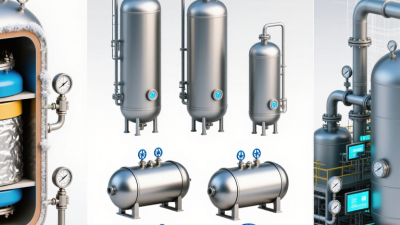
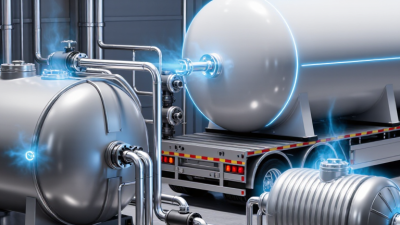
Map Tank Types: Vacuum-Insulated Vessels, Dewars, and Bulk Tanks

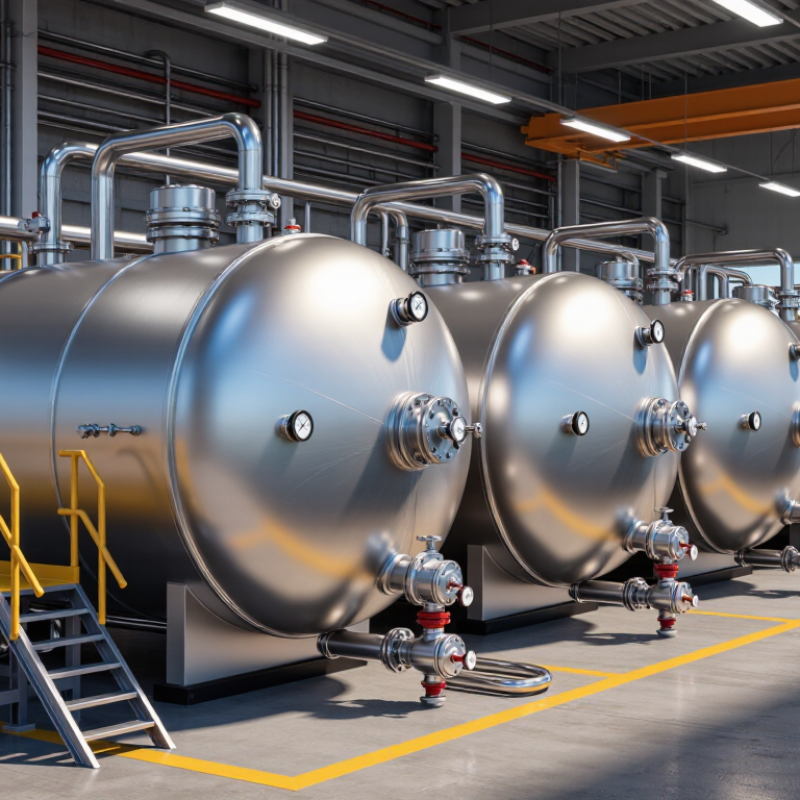
Liquid hydrogen storage is a temperature problem as much as a capacity problem. The U.S. Department of Energy’s Hydrogen and Fuel Cell Technologies Office gives liquid hydrogen a density of about 70.8 kg/m³ near 20 K. That figure describes the liquid, not the tank’s usable fill. Vacuum-insulated vessels limit heat transfer with an evacuated space between inner and outer walls. They suit applications where compact storage and controlled transfer matter. Dewars use similar insulation but are commonly chosen for smaller volumes, sampling, or short-duration supply. Bulk tanks serve larger, steady-demand sites and need compatible piping, pressure controls, and a plan for boil-off gas.

Tips: Compare usable capacity, not shell volume. Ask for heat-leak or boil-off data at the expected fill level, and check whether delivery and transfer equipment match the tank. Small detail. A vent line must stay clear and be routed safely.

For selection, match the tank to draw rate, delivery frequency, footprint, and operating conditions. A bulk tank may reduce frequent deliveries, but can bring higher installation and maintenance demands. A Dewar is easier to handle, yet may need more frequent replenishment. DOE’s density figure is a useful comparison point, not a promise of real-world performance. Insulation condition, fittings, and operating practices affect losses. A tidy specification sheet can still mislead; verify test conditions and ask how performance changes during partial fills.

Calculate Usable Capacity Using Hydrogen’s 33.3 kWh/kg LHV

2026 Best Liquid Hydrogen Storage Tanks for Buyers?
Calculate Usable Capacity Using Hydrogen’s 33.3 kWh/kg LHV

A tank’s advertised capacity is not the same as usable hydrogen. At hydrogen’s lower heating value, one kilogram contains about 33.3 kWh of chemical energy. So a 100 kWh fuel-energy requirement needs roughly 3.0 kg of hydrogen, before operational allowances. If only 90% of the stored mass is available for delivery, plan for about 3.33 kg of gross capacity. For electrical output, include the conversion system’s efficiency too; a fuel cell does not deliver all the hydrogen’s LHV as electricity.

Liquid hydrogen is about 70.8 kg per cubic metre near its normal boiling point, but this is a reference, not a tank guarantee. Fill limits, pressure, insulation, operating conditions, and residual liquid all affect deliverable mass. Ask suppliers to state usable kilograms at defined conditions, not only vessel volume. A spreadsheet can look precise. Real operation is messier. I would also check how the estimate handles boil-off over the expected storage period.

Tips: Convert energy demand to hydrogen mass using 33.3 kWh/kg, then adjust for conversion efficiency and the tank’s usable fraction. Keep reserve and expected losses separate in the calculation. Compare quotes on the same assumptions, including temperature, pressure, and delivery point.

Compare Tanks by MAWP, Hold Time, Boil-Off, and Lifecycle Cost

2026 Best Liquid Hydrogen Storage Tanks for Buyers?

A useful comparison starts with MAWP, but pressure rating alone does not show how a tank will perform in daily service. Check that the rated pressure suits the intended operating range, transfer equipment, and safety controls. Hold time matters too. Ask how it is calculated, including ambient conditions, fill level, and expected use patterns. A figure without assumptions can mislead.

Boil-off affects both product availability and operating cost. Compare stated rates under equivalent conditions, then ask how venting, recovery, or utilization is handled at the site. Lifecycle cost should include purchase, installation, energy, inspections, maintenance, and downtime—not just the initial quote. Small differences add up. Still, estimates can miss local operating realities; validate them against your duty cycle and site data.

Tips: Request test conditions and calculation methods in writing. Compare equal capacities and service assumptions. Check insulation and vacuum-monitoring provisions, plus access for maintenance. Build a simple cost model with conservative energy prices. Then challenge the assumptions. A neat spreadsheet is not proof.

Verify Compliance with ISO 21009-1, ASME BPVC Section VIII, and NFPA 2

For 2026 liquid hydrogen tank purchases, verify what each standard actually covers. ISO 21009-1 addresses the design, fabrication, inspection, and testing of static vacuum-insulated cryogenic vessels. ASME BPVC Section VIII governs pressure-vessel construction, but a code stamp alone does not establish suitability for every hydrogen service condition. Ask suppliers for the applicable edition, design pressure, material traceability, inspection records, and documented compatibility with hydrogen.

NFPA 2 addresses hydrogen-system installation and safety, including siting considerations; it is not a tank-design certification. Confirm the adopted edition and local requirements with the authority having jurisdiction. NIST reference data place liquid hydrogen near 20.3 K, with a density of about 70.8 kg/m³.

That extreme cold makes insulation performance, vacuum integrity, and thermal contraction practical buying concerns, not paperwork details. Request test evidence and clear acceptance criteria. Small margins matter.

Compare proposals using the same operating assumptions: fill level, pressure range, cooldown conditions, boil-off handling, and inspection access. Ask how the supplier evaluates supports, nozzles, and piping loads during thermal cycling. A polished certificate package can still leave gaps if its scope or vessel configuration differs from the tank offered. I would also verify edition references directly; standards and adopted codes can change, and this is easy to overlook.