How to Efficiently Store Liquid Hydrogen for Global Supply Needs?
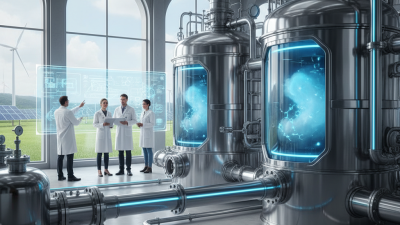
The efficient storage of liquid hydrogen is pivotal for meeting global supply demands. As energy needs grow, so does the importance of effective liquid hydrogen storage solutions. Dr. Emily Thompson, a leading expert in cryogenic technologies, once remarked, "Liquid hydrogen can be a game-changer, but we must address storage challenges." Her words highlight a crucial reality facing the industry.
Liquid hydrogen storage systems present unique challenges. Maintaining low temperatures is vital to prevent evaporation. However, these systems often struggle with insulation and material integrity under extreme conditions. The need for innovation is pressing as traditional methods may not suffice. Companies must adapt, exploring advanced materials and designs to enhance safety and efficiency.
Despite technological advancements, gaps remain. Some storage solutions still exhibit inefficiencies that can lead to losses. It is crucial for experts and stakeholders to collaborate and share insights. A unified approach can drive the industry forward, ensuring liquid hydrogen can fulfill its potential as a clean energy source.
Current Challenges in Liquid Hydrogen Storage Technology
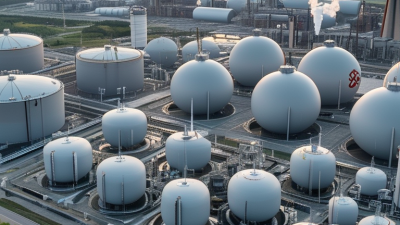
Liquid hydrogen presents a promising solution for energy storage and transportation. However, the challenges associated with its storage are significant. Liquid hydrogen needs to be kept at extremely low temperatures, around -253 degrees Celsius, to maintain its liquid state. This requires advanced insulation technology, which is not yet widely available. Current storage tanks are often heavy and expensive. They can also leak, making safety a major concern.
According to a report by the International Energy Agency (IEA), nearly 80% of hydrogen produced globally is generated from fossil fuels, with less than 1% derived from renewable sources. This reliance on traditional methods raises concerns about sustainability. The development of cost-effective storage solutions is essential to enable wide-scale adoption of liquid hydrogen as an energy source. Research indicates that improving current materials can enhance storage efficiency. For instance, advanced composites could reduce weight and improve thermal insulation.
Achieving reliable liquid hydrogen storage is still a work in progress. The technical difficulties can hinder the growth of a viable supply chain. Creating a network of hydrogen refueling stations is critical. Yet, existing infrastructure is limited. More investments in research and development are necessary to address these challenges. The path toward efficient storage solutions requires collaboration between scientists, engineers, and policymakers to unlock the potential of liquid hydrogen in the global energy landscape.
Methods for Cryogenic Storage of Liquid Hydrogen
Liquid hydrogen, known for its potential as a clean energy source, requires careful handling for efficient storage. Cryogenic storage methods are essential to maintain its liquid state at extremely low temperatures. There are several techniques to store liquid hydrogen safely and effectively.
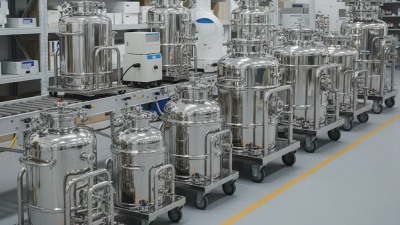
One common method is the use of vacuum-insulated tanks. These tanks minimize heat transfer, maintaining the low temperatures needed for hydrogen storage. Another approach involves the use of advanced materials that absorb hydrogen, allowing for denser storage. These innovative materials can improve safety and efficiency. However, engineers must regularly assess their integrity to prevent leaks.
Tips: Keep an eye on tank conditions. Regular maintenance is crucial for safety. Ensure that insulation materials are intact.
Hydrogen’s volatility also poses risks. Thus, safety protocols must be in place. For instance, monitoring the pressure within tanks is vital. Pressure fluctuations can lead to dangerous situations if not properly managed. Hence, team training on emergency procedures is essential.
Tips: Train staff regularly on safety protocols. Awareness can prevent accidents.
Understanding the challenges in cryogenic storage offers valuable insights. Continuous improvement in technology and safety measures is necessary. While techniques exist, the practices in place must evolve as new discoveries emerge.
Materials and Insulation Techniques for Hydrogen Storage Tanks
Liquid hydrogen is a key player in the future of clean energy. Efficient storage is vital for global supply needs. The choice of materials and insulation techniques directly impacts the safety and feasibility of hydrogen storage tanks.
Materials for constructing hydrogen tanks require careful consideration. They must withstand extreme conditions. Common materials include stainless steel and aluminum. These materials offer durability and resistance to hydrogen embrittlement. However, some options have limitations, such as weight and cost. Researchers are exploring advanced composites, which may provide better performance.
Insulation is another critical aspect. Effective insulation minimizes heat transfer. This helps maintain the low temperatures needed for liquid hydrogen. Vacuum insulation is common, but it requires precise engineering. Alternatives like multilayer insulation are emerging, offering lightweight solutions. Each method has its pros and cons. Finding a balance between efficiency, cost, and safety remains challenging. Continuous research is necessary to overcome these barriers and enhance our hydrogen storage capabilities.
How to Efficiently Store Liquid Hydrogen for Global Supply Needs? - Materials and Insulation Techniques for Hydrogen Storage Tanks
| Material |
Thermal Conductivity (W/m·K) |
Density (kg/m³) |
Thermal Expansion Coefficient (×10⁻⁶ /K) |
Insulation Type |
| Polyurethane Foam |
0.022 |
30 |
80 |
Rigid Insulation |
| Aerogel |
0.013 |
1-3 |
20-30 |
Advanced Insulation |
| Vacuum Insulation |
0.004 |
0.1 |
N/A |
Superior Insulation |
| Expanded Polystyrene (EPS) |
0.035 |
18-30 |
50 |
Traditional Insulation |
Transportation Solutions for Global Liquid Hydrogen Supply
Efficient transportation of liquid hydrogen is crucial for meeting global energy demands. The International Energy Agency (IEA) projects that by 2030, the demand for hydrogen could reach 80 million tons annually. This growth requires innovative logistics solutions.
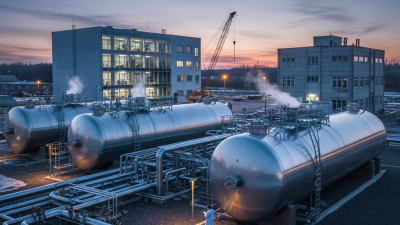
Shipping liquid hydrogen poses significant challenges. It must be stored at extremely low temperatures, around -253°C. Current transport methods, such as cryogenic tankers, can carry only a limited volume. This creates a bottleneck in supply chains.
Data from the Hydrogen and Fuel Cell Technologies Office highlights that optimizing infrastructure is key. Upgrading ports and creating dedicated shipping routes can improve efficiency.
Moreover, developing pipelines for liquid hydrogen transport is a consideration. Research suggests that a robust pipeline network could reduce costs. However, the technology for low-temperature pipelines is still in its infancy. Safety measures must be reassessed continually to avoid leaks. The complexities surrounding transportation require ongoing evaluation and adaptation to thrive in a fast-evolving market.
Safety Considerations in Liquid Hydrogen Storage and Handling
Liquid hydrogen storage presents unique challenges, especially concerning safety protocols. Significant data indicates that liquid hydrogen has a much lower ignition threshold compared to conventional fuels. The National Fire Protection Association notes that hydrogen flames are virtually invisible, complicating early detection of leaks. This danger necessitates advanced monitoring systems in storage facilities to ensure immediate response to potential hazards.
Moreover, the liquid hydrogen must be stored at cryogenic temperatures, around -253 degrees Celsius. Standard materials can become brittle at such temperatures. The American Society of Mechanical Engineers recommends using specialized materials that retain their integrity in extreme conditions. It's crucial for facilities to conduct regular inspections and maintenance to identify structural weaknesses that could lead to catastrophic failures.
Training staff in emergency response practices is equally important. Human error accounts for a significant percentage of incidents in gas storage facilities. A recent report from the Hydrogen Safety Panel highlights the need for elevated safety training and drills. These measures can greatly reduce the likelihood of accidents and ensure that personnel are prepared for any situation. Addressing these safety concerns comprehensively is vital for the responsible expansion of liquid hydrogen as a vital energy source for global supply needs.
Liquid Hydrogen Storage Capacity by Storage Type