Choosing a dewar liquid nitrogen container involves more than comparing prices or advertised capacity. These vacuum-insulated vessels can differ in neck diameter, working volume, evaporation rate, construction, and portability. A narrow opening may help limit heat entry, yet it can make repeated access less convenient. Details matter.
This guide to the Top 10 Dewar Liquid Nitrogen Containers for Sale highlights features buyers can compare before making a decision. Consider how often the vessel will be accessed, where it will sit, and whether it must be moved through doorways or corridors. Check product documentation for stated capacity, expected holding time, compatible accessories, and maintenance requirements. These figures depend on model design and use conditions, so a specification should not be treated as a guaranteed real-world result.
Safe handling deserves equal attention. Liquid nitrogen can cause severe cold burns and can displace oxygen in poorly ventilated spaces. Follow the manufacturer’s instructions, use suitable protective equipment, and keep the container in an appropriately ventilated area. Ask suppliers about documentation, support, and replacement parts, rather than relying on a polished product photo. That trade-off is real: the cheapest option may not suit frequent access or demanding workflows. And no single model fits every setting. This comparison offers a practical starting point, while the final choice should reflect your storage needs, handling routine, and the guidance of qualified personnel.
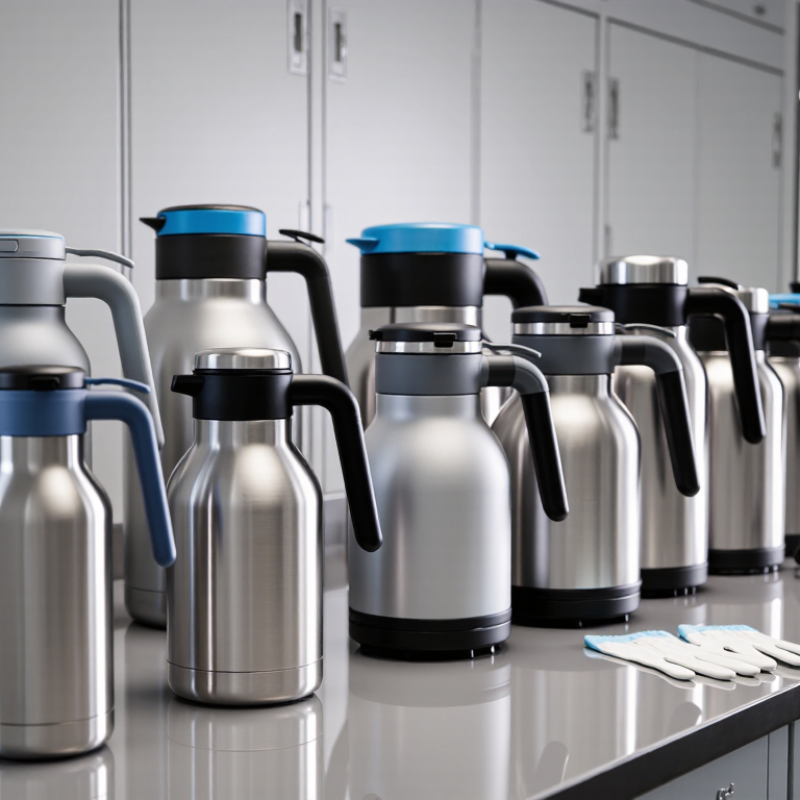
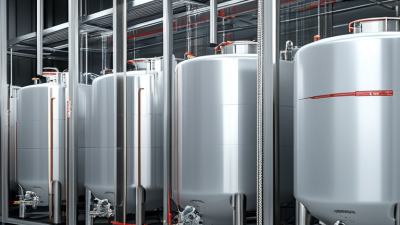
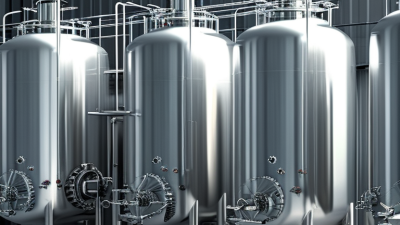
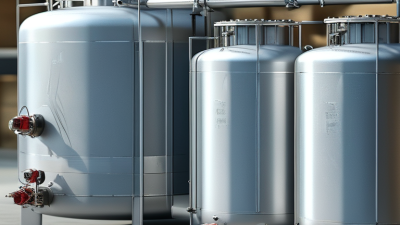
A Dewar liquid nitrogen container is built to keep an extremely cold liquid cold while limiting heat transfer from the room. Most use two walls with an evacuated space between them. The vacuum reduces heat movement by conduction and convection; reflective surfaces may further reduce radiant heat. A narrow neck also limits incoming warmth, though it can make filling or removing samples less convenient. Liquid nitrogen boils at about -196°C under normal atmospheric pressure. As it absorbs heat, it steadily turns into gas. No ordinary Dewar prevents that loss entirely.
Small details matter. Check capacity, neck opening, expected evaporation rate, and the manufacturer’s stated holding time before choosing a container. Those figures are estimates, not guarantees; room temperature, handling, and how often the lid is opened all affect performance. A container may look sturdy, yet its inner vessel can be damaged by impacts. Never seal a standard vented Dewar or block its vent: evaporating nitrogen gas needs a safe escape path. Use it in a well-ventilated area, and protect hands and eyes from cold splashes. The trade-off is easy to miss: tighter access can reduce heat entry but complicate routine handling.
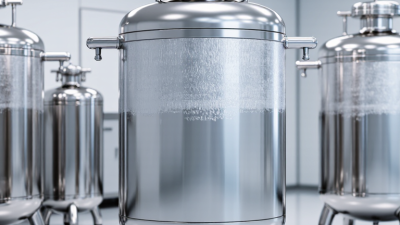
Dewar containers are insulated vessels designed to store cryogenic liquids such as liquid nitrogen. Their vacuum-insulated walls reduce heat transfer, while the chart compares representative nominal container capacities commonly offered, not brands or a sales ranking. Actual holding time and evaporation rate vary by design, opening frequency, and operating conditions.
Compare usable capacity, not just the vessel’s advertised volume. A wide neck makes sample access easier, but it can increase nitrogen loss during frequent openings. A narrow neck may reduce exposure, yet slow retrieval. Consider the size and shape of the items you store. Check that racks or canisters fit without crowding.
Look closely at static holding time and evaporation rate. Published figures are useful for comparison, but actual performance changes with fill level, opening frequency, and room conditions. Treat them as estimates. That matters. Review the lid design, neck construction, and insulation, too. The container must vent safely; it should never be treated as a sealed vessel. For daily use, assess total weight when full, handles, base stability, and whether transport accessories suit the storage area. Small details count. Ask how level monitoring works, whether alarms are available, and what maintenance or inspection the supplier recommends. Also confirm that replacement parts and technical support are accessible. A lower purchase price may not reflect the effort required to track inventory or manage frequent refills. I would compare these trade-offs against actual storage routines, rather than choosing by capacity alone.
1. A compact laboratory Dewar suits small samples and short transfers. Its narrow neck can reduce exposure during careful use.
2. A wide-mouth model makes sample access easier, though evaporation may be higher. Check the stated hold time.
3. A lightweight portable container is easier to move between work areas. Capacity is often modest.
4. A large-capacity storage Dewar serves facilities with steady demand. It needs a stable, well-planned location.
5. A rack-style model keeps compatible sample boxes organized. Confirm rack dimensions before ordering.
6. A canister-based unit supports organized specimen storage, but retrieval takes planning.
7. A model with a protective outer shell can better withstand routine handling. Inspect the shell for dents.
8. A transport-oriented Dewar may include handles or a secure lid. It is not automatically suitable for every journey.
9. A low-profile unit fits beneath some work surfaces, if ventilation and clearance are adequate.
10. A specialized laboratory model may offer tailored neck or accessory options. Compare its specifications with your actual workflow.
Tips: Compare usable capacity, neck opening, static hold time, and tare weight. Ask how performance was measured; figures can vary with conditions. Keep the container upright, use suitable protective equipment, and follow its operating instructions. Small details matter. Sales listings may omit them, so request the full specification sheet before purchase.
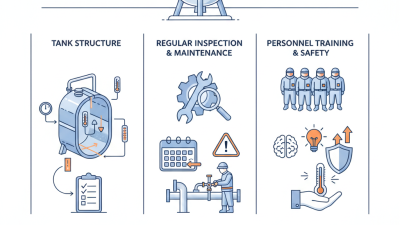
Liquid nitrogen dewars are designed for cryogenic storage, not ordinary sealed containers. Their contents can rapidly expand into gas and displace oxygen in a poorly ventilated room. Use them only in a well-ventilated area, and follow the vessel’s operating instructions. Wear safety goggles and a face shield, a lab coat, closed-toe shoes, and loose-fitting cryogenic gloves. Gloves protect against splashes, but they are not made for immersing hands in liquid nitrogen. Keep skin away from cold fittings and surfaces. Never seal a dewar or block its vent.
Fill slowly to reduce splashing and thermal stress. Use equipment intended for cryogenic transfer, and keep your face clear of the opening. A rushed refill is where good habits sometimes slip. Move dewars upright on a suitable cart, secured against tipping; don’t carry a heavy vessel by its neck. Store it where people can move freely and ventilation is reliable. Check the vessel, handles, and vent for damage or obstruction before use. If frost appears unexpectedly, the dewar is damaged, or oxygen monitoring alarms, stop work and follow your site’s response procedure. Even experienced staff can become complacent; pause and check the setup.
Choosing a Dewar liquid nitrogen container starts with your actual use, not the largest capacity you can afford. Estimate how much nitrogen you need between refills and how often the container will be opened. Frequent access can increase evaporation, so a wide opening may be convenient but less efficient. Small details matter.
Compare usable capacity, neck size, static evaporation rate, and container weight. Check whether the design suits your samples, racks, or other contents. For regular movement, look for stable handles and a base that is easy to secure. For fixed storage, compact dimensions may matter more. Review the supplier’s specifications and care instructions; quoted holding times depend on conditions and use.
Budget beyond the purchase price. A lower-cost model may need more frequent refills, while a premium option may not pay off for occasional use. Consider delivery, maintenance, compatible accessories, and local service availability. Also confirm that your storage area has suitable ventilation and that staff can follow safe handling guidance. I would compare a few models side by side, then check the assumptions against your daily routine. On paper, a small container seems simpler. In practice, it can mean more refill trips than expected.
The options below represent common capacity classes and container designs, not specific products. Holding times, dimensions, weights, and prices vary by construction and operating conditions; confirm specifications with the supplier before purchasing.
| Option | Nominal Capacity | Typical Design | Typical Static Hold-Time Range* | Mobility | Best Suited For | Relative Budget | Key Buying Check |
|---|---|---|---|---|---|---|---|
| 1 | 2–3 L | Compact, narrow-neck storage vessel | About 1–4 weeks | Highly portable | Small-volume, intermittent laboratory use | $ | Check usable capacity and evaporation rate. |
| 2 | 5–6 L | Small-neck storage dewar | About 2–8 weeks | Portable when filled with suitable handling | Routine small-batch storage | $–$$ | Compare neck opening with the items stored. |
| 3 | 10 L | General-purpose storage vessel | About 3–10 weeks | Portable, depending on filled weight | Small laboratories and frequent replenishment | $$ | Consider the total filled weight and carry method. |
| 4 | 15–20 L | Medium-capacity storage dewar | About 1–3 months | Usually moved by hand or cart when empty | Regular laboratory or workshop supply | $$–$$$ | Check refill access and storage-room ventilation. |
| 5 | 25–35 L | Larger storage vessel, often with a protective base | About 1–4 months | Cart recommended for movement | Higher-use sites seeking fewer refills | $$$ | Verify floor access, doorway clearance, and cart compatibility. |
| 6 | 50 L | High-capacity storage dewar | About 2–5 months | Best handled with a suitable cart or lift plan | Centralized storage and frequent use | $$$–$$$$ | Check safe handling requirements and delivery arrangements. |
| 7 | 10–20 L | Wide-neck vessel for easier access | Often shorter than a comparable narrow-neck design | Varies by size and construction | Frequent access or storage of larger items | $$–$$$ | Balance convenient access against higher nitrogen loss potential. |
| 8 | 20–50 L | Canister-compatible cryogenic storage vessel | Depends on capacity, neck design, and canister configuration | Typically stationary or cart-moved | Organized storage of compatible sample boxes or canisters | $$$–$$$$ | Confirm canister fit, sample capacity, and inventory access. |
| 9 | 10–30 L | Liquid-withdrawal or dispensing configuration | Varies with vessel design and withdrawal frequency | Stationary during operation | Applications that need controlled liquid transfer | $$$–$$$$ | Check pressure rating, relief devices, and approved transfer method. |
| 10 | 30–100 L or larger | Bulk storage vessel, often intended for fixed installation | Model-specific; may support longer intervals between fills | Stationary; professional handling required | High-consumption facilities and shared supply areas | $$$$ | Assess installation, ventilation, delivery, and safety requirements. |
*Holding-time note: Indicative ranges are broad comparison guides, not guaranteed performance. Actual static holding time depends on the specific vessel, insulation, fill level, ambient conditions, lid use, and handling. Liquid nitrogen can displace oxygen; use appropriate ventilation, protective equipment, and supplier-approved procedures.