Blog

How to Select the Best Liquid Nitrogen Storage Tank for Your Needs?

Selecting the right liquid nitrogen storage tank is crucial for various applications. These tanks are essential in fields like research, medicine, and food preservation. A suitable tank ensures safety and efficiency in handling liquid nitrogen.

When considering a liquid nitrogen storage tank, evaluate its capacity and insulation type. Different applications require different specifications. For instance, a research laboratory may need a more advanced tank than a simple home use.

Reflect on your specific needs. Are you storing biological samples or industrial materials? Each requirement impacts your choice. The right tank can make a significant difference in performance and safety. Don't overlook the importance of quality and reliability when making a decision.
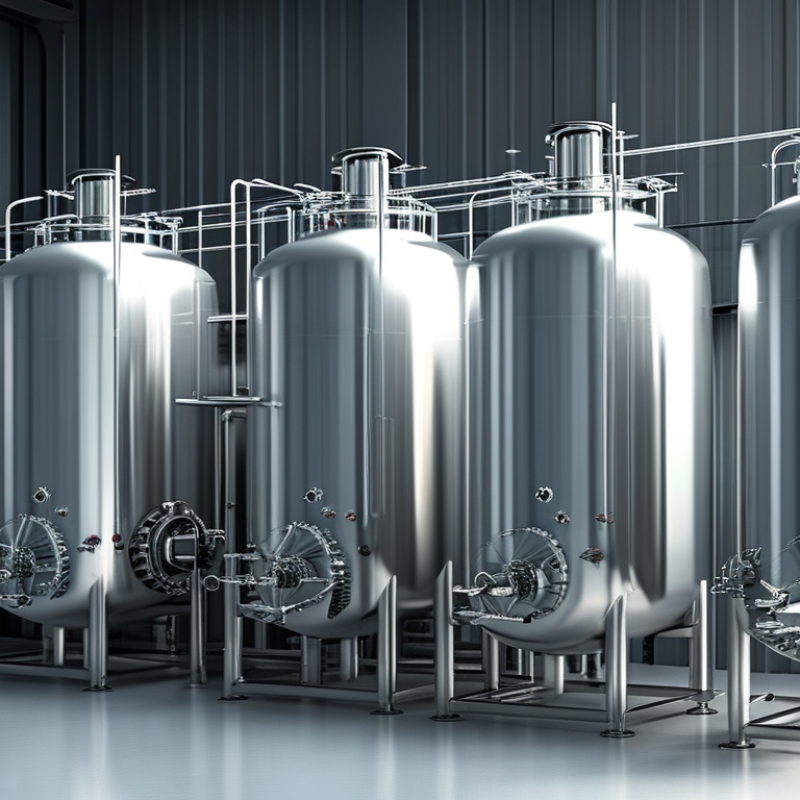
How to Select the Best Liquid Nitrogen Storage Tank for Your Needs?

Understanding Liquid Nitrogen Storage Tanks: An Overview

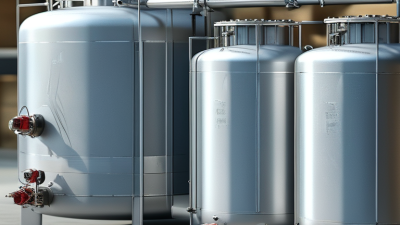
Liquid nitrogen storage tanks are essential in various industries, including healthcare and research. These tanks maintain temperatures as low as -196°C. Understanding how these tanks work is vital for selecting the best one for your needs. A critical factor is insulation. Insulated tanks minimize nitrogen evaporation, which is crucial for maintaining proper storage conditions. According to industry data, quality insulation can reduce evaporation loss by up to 90%.

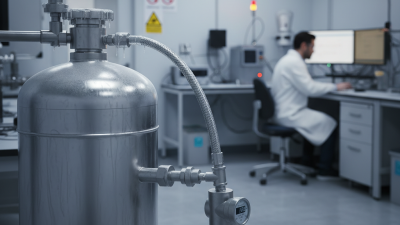
When choosing a tank, consider its design and capacity. Most liquid nitrogen tanks are available in several sizes, ranging from small portable units to large stationary ones. Each size serves distinct purposes. For instance, larger tanks are often used in laboratories, where bulk storage is necessary. A smaller tank may suit clinics and pharmacies, where mobility is essential. An industry report from the Cryogenic Society indicated that over 50% of users experienced storage inefficiencies due to improper tank selection.

Safety is another paramount consideration. Tanks should be equipped with pressure relief valves and alarms. These features prevent dangerous over-pressurization. Regular maintenance and inspections are also crucial to ensure safety standards are met. These practices, backed by safety audits, can enhance the long-term reliability of the storage system. Ultimately, investing in the right tank and following safety protocols is critical in maximizing its effectiveness.

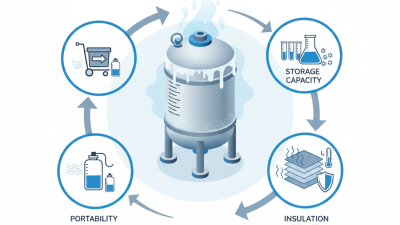
Evaluating Your Storage Capacity Requirements for Liquid Nitrogen

When selecting a liquid nitrogen storage tank, understanding your storage capacity needs is crucial. Consider the amount of liquid nitrogen you will require for your applications. Analyze your daily usage and estimate future needs. This helps in determining the tank size and type. Remember, a tank that is too small can lead to operational challenges. Conversely, an oversized tank might waste resources and space.

Evaluate the frequency of deliveries. If your usage is consistent, a larger tank may be a good choice. But if it varies, consider a smaller unit. Remember to think about the physical space for the tank. Ensure it can fit where you intend to place it. Safety regulations and accessibility are other factors to consider. Is there enough room for refilling and maintenance?

Lastly, don’t overlook the impact of tank construction materials on performance. Different materials can affect insulation and vaporization rates. This can lead to unexpected nitrogen loss. Assessing your storage needs requires careful thought. It's not just about current applications but future growth as well. Reflect on whether your needs might change.

Assessing the Material and Design Features of Storage Tanks

When selecting a liquid nitrogen storage tank, material and design features are crucial. Tanks typically come in stainless steel, aluminum, or composite materials. Stainless steel offers durability and resistance to rust. Aluminum is lightweight, making it easier to handle. Composite tanks are corrosion-resistant and often used in specialized applications. Each material has its benefits and potential drawbacks, so consider your specific needs carefully.

Design features also play a significant role in performance. Insulation techniques are vital. Good insulation minimizes nitrogen loss through evaporation. Look for tanks with vacuum insulation or double-walled construction. Additionally, consider the tank’s capacity and portability. A larger tank may hold more nitrogen but can be cumbersome. A smaller, portable tank might suit facilities with limited space.

Don't overlook safety features. Make sure the tank has proper pressure relief valves and a secure sealing mechanism. These features enhance reliability and user safety. Evaluating these considerations will help you select a storage tank that aligns with your requirements. Reflect on what matters most for your applications. The perfect tank is one that meets your needs and adapts to your environment.

How to Select the Best Liquid Nitrogen Storage Tank for Your Needs?

Tank Type Material Capacity (Liters) Temperature Range (°C) Design Feature
Vertical Cylinder Aluminum 50 -196 to +25 Insulated, Lightweight
Horizontal Cylinder Stainless Steel 100 -196 to +30 High Stability, Robust Design
Cryogenic Dewar Glass Fiber Reinforced 10 -196 to +20 Portable, Easy Handling
Liquid Cylinder Carbon Steel 200 -196 to +40 Heavy Duty, Durable
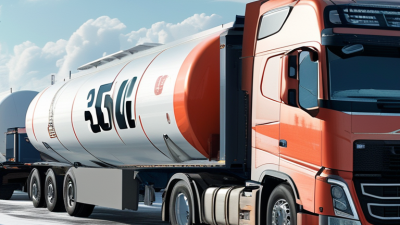
Transport Tank Aluminum Alloy 150 -196 to +25 Roadworthy, Optional Wheels

Considering Temperature Retention and Insulation Properties

When selecting a liquid nitrogen storage tank, temperature retention is crucial. The tank's insulation properties directly affect how long it maintains low temperatures. High-quality insulation minimizes heat transfer, ensuring that the nitrogen inside remains at optimal temperatures. This is essential for applications requiring precise temperature control.

Evaluate different insulation materials and their effectiveness. Some tanks use multilayer designs, while others feature foam or vacuum insulation. Each option has pros and cons. For example, while multilayer tanks may provide superior insulation, they can also be heavier and bulkier. Understanding these trade-offs helps in making an informed decision.

Consider your specific needs. If portability is a priority, focus on lighter options that still offer adequate insulation. On the other hand, if the tank will primarily stay in one location, durability and maximum temperature retention might take precedence. Reflect on your use case and choose accordingly; sometimes the best choices are not the most straightforward. Always aim for a balance between efficiency and practicality.

Comparing Costs and Maintenance Needs of Different Storage Tanks

When selecting a liquid nitrogen storage tank, understanding costs and maintenance is essential. Prices can vary significantly based on capacity and features. Smaller tanks may cost less upfront, but long-term storage needs may lead you to larger, more expensive options. Consider upfront costs but also factor in potential maintenance expenses. Some tanks require more upkeep, leading to higher overall costs.

Maintaining liquid nitrogen storage tanks is crucial for safety and efficiency. Regular inspections and proper handling can prevent leaks and ensure optimal performance. Tanks with vacuum insulation systems generally need less maintenance. However, more sophisticated systems may be more demanding. Knowing your team’s capabilities in handling maintenance is vital.

If you are new to this, seek expert advice. Look for reputable resources in the industry. Researching best practices can provide valuable insights. Assess your specific use case for better decision-making. Don't rush your choice; take time to weigh your options carefully. The right tank can make a significant difference in safety and functionality.