Blog

Top 10 Essential Facts About LNG Cryogenic Tanks You Should Know?

LNG cryogenic tanks are crucial for storing liquefied natural gas. This industry is rapidly growing, with the global LNG market expected to reach $1.4 trillion by 2025, according to industry reports. The effectiveness of LNG cryogenic tanks in maintaining low temperatures is vital for safe transport and storage.

These tanks require specific materials and designs to withstand extreme conditions. Engineers often rely on advanced insulation techniques to prevent heat transfer. Various reports indicate that improper handling or design flaws can lead to significant operational risks.

Understanding key facts about LNG cryogenic tanks can enhance safety and efficiency. As global energy demands rise, the role of these storage solutions becomes increasingly critical. Ignoring best practices in LNG tank management may lead to serious consequences for both companies and consumers.
Top 10 Essential Facts About LNG Cryogenic Tanks You Should Know?

What is LNG and Why is it Stored in Cryogenic Tanks?

Top 10 Essential Facts About LNG Cryogenic Tanks You Should Know?

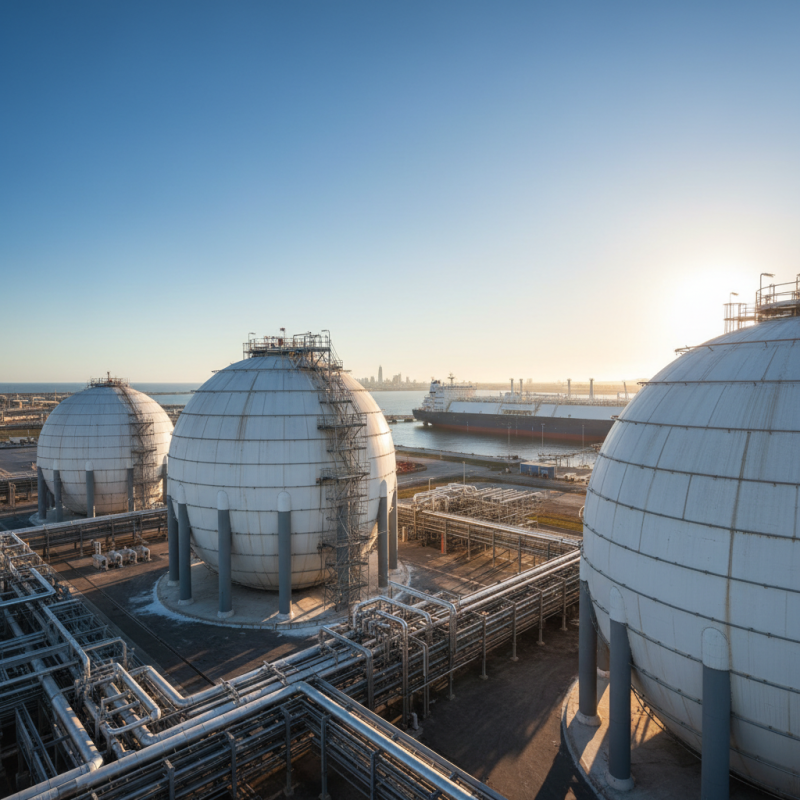
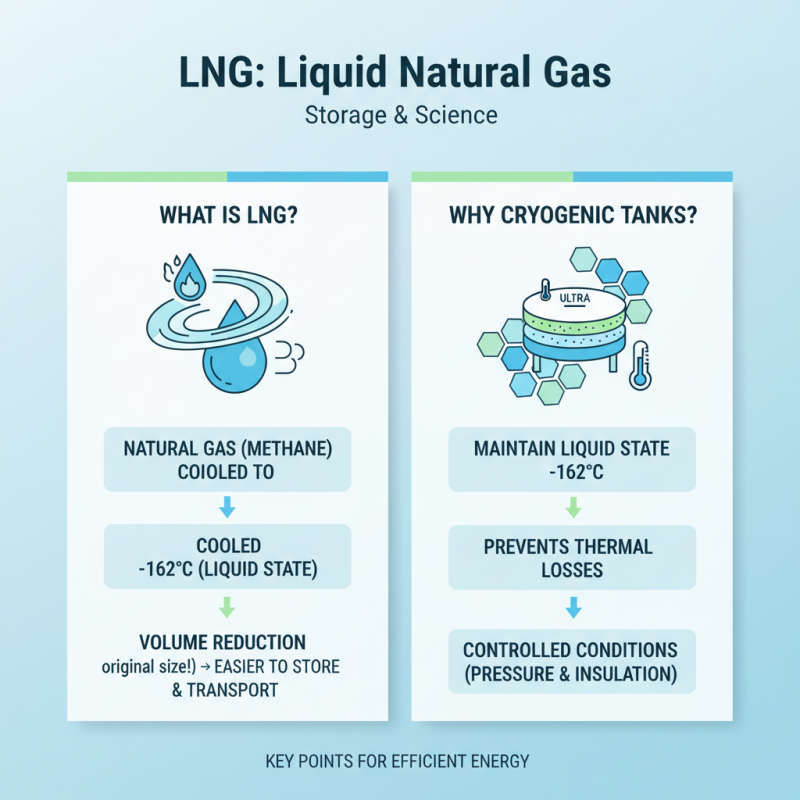
Liquefied Natural Gas (LNG) is natural gas cooled to a liquid state at about -162°C. This process reduces its volume significantly, making it easier to store and transport. LNG is primarily comprised of methane, and its storage in cryogenic tanks is crucial for maintaining its liquid state. These tanks operate under carefully controlled conditions to prevent thermal losses.

The use of cryogenic tanks ensures safety and efficiency. According to the U.S. Department of Energy, LNG can occupy 1/600th the volume of natural gas in its gaseous form. This is vital for transportation, especially across oceans. However, the cryogenic storage system is not without challenges. Insulation failures or pressure buildup can lead to safety issues.

Safety is paramount in LNG operations. The design of cryogenic tanks must accommodate extreme temperatures and pressures. According to industry reports, failures in LNG storage are rare but can be severe. Regular inspections and maintenance are needed. By understanding these factors, industries can better ensure safety and efficiency while benefiting from LNG's advantages.

Key Characteristics of LNG Cryogenic Tanks

LNG (Liquefied Natural Gas) cryogenic tanks are essential for storing and transporting natural gas in its liquid form. These specialized tanks maintain low temperatures, usually around -162°C. It is crucial to understand their unique characteristics for effective utilization.

One key characteristic of LNG cryogenic tanks is insulation. Tanks utilize advanced insulation materials to minimize heat transfer. This is vital to keep the LNG in a liquid state. Maintaining low temperatures prevents vaporization and ensures safety during storage and transport. Many factors can affect insulation efficacy. Regular inspections are necessary.

Another important feature is the pressure control system. LNG tanks are designed to handle diverse pressure conditions. This system monitors and regulates pressure to prevent overloading. A well-functioning pressure control mechanism is vital for safety and efficiency. Operators should stay informed about potential issues.

Tip: Regular maintenance minimizes potential risks. Inspect valves and seals routinely to ensure the integrity of the system.

Understanding the unique characteristics of LNG cryogenic tanks helps optimize their use. Efficient transportation of LNG relies on effective storage solutions. Being aware of these aspects could be the key to success in the industry.

Top 10 Essential Facts About LNG Cryogenic Tanks You Should Know

Fact No. Characteristic Description
1 Material LNG tanks are typically made from high-strength steel or aluminum to withstand low temperatures.
2 Insulation Designed with advanced insulation technology to minimize heat transfer and maintain low temperatures.
3 Temperature Range LNG is stored at approximately -162°C (-260°F).
4 Pressure Designed to operate at low pressures to prevent vaporization of the LNG.
5 Design Codes Manufactured according to international codes such as ASME, API, and ISO.
6 Safety Features Equipped with safety valves, pressure relief systems, and leak detection systems.
7 Maintenance Regular inspections and maintenance required to ensure integrity and safety.
8 Capacity Available in various capacities, typically ranging from 10,000 to 160,000 cubic meters.
9 Cryogenic Conditions Maintaining LNG in cryogenic conditions is critical for energy efficiency and safety.
10 Global Standards Compliance with global standards and regulations is essential for operation.

Design and Construction Standards for LNG Cryogenic Tanks

Top 10 Essential Facts About LNG Cryogenic Tanks You Should Know?

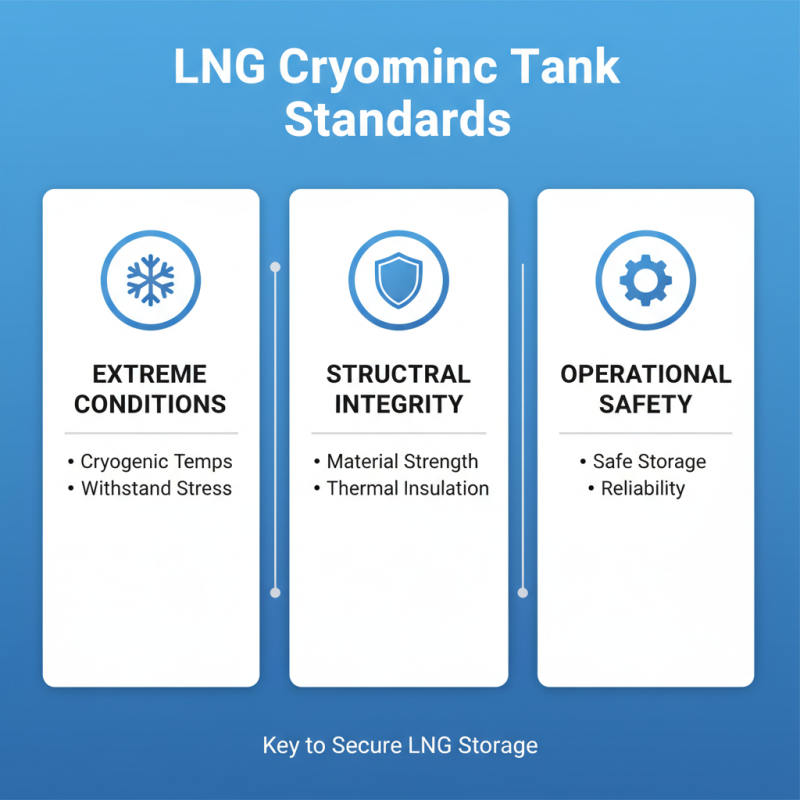
LNG cryogenic tanks are crucial for safely storing liquefied natural gas. Their design and construction standards are vital for operational safety. Generally, these standards ensure that tanks can withstand extreme conditions. It is essential that these tanks maintain structural integrity against cryogenic temperatures. Engineers must consider factors like material strength and thermal insulation.

The construction process involves specific guidelines. For instance, materials need to resist brittle fracture at low temperatures. Engineers often use stainless steel or aluminum for this purpose. Tank design must also incorporate pressure relief systems. This is key to avoiding catastrophic failures. Inspection and maintenance protocols play a significant role in safety. Regular checks can prevent leaks and ensure reliability.

Yet, challenges remain. Adherence to standards can sometimes lead to delays. Moreover, some designs may prove too costly to implement. Frequent updates in regulations create uncertainty. The industry must continue improving practices. Constant innovation is necessary to enhance safety features. Balancing cost-efficiency with safety remains an ongoing discussion.

Safety Measures and Regulations for LNG Storage

Liquefied Natural Gas (LNG) storage involves several critical safety measures and regulations. LNG cryogenic tanks are designed to hold gas at extremely low temperatures, typically around -162°C. This presents unique challenges. Operators must ensure regular inspections. Tanks need to be checked for structural integrity and leaks. According to the National Fire Protection Association (NFPA), over 25% of LNG spills occur due to equipment failures.

Regulations are stringent. The U.S. Department of Transportation mandates that all LNG facilities must comply with the Federal Energy Regulatory Commission's (FERC) standards. This includes conducting hazard assessments. These processes help identify risks and prepare safety measures. Additionally, safety training for personnel is vital. Many incidents stem from human error. Periodic drills can help reinforce safety protocols.

Failure to meet these safety standards can have severe consequences. In 2021, an LNG incident in the U.S. resulted in significant economic losses. Insufficient training and outdated equipment were factors. Enhanced focus on training and updating technology may prevent future occurrences. The LNG industry must remain vigilant about these issues to ensure safety and reliability.

Maintenance and Inspection Practices for LNG Cryogenic Tanks

Maintaining LNG cryogenic tanks demands strict adherence to safety protocols and regular inspections. The frequency of inspections is typically outlined by industry standards, which recommend checks every 3 to 5 years. These inspections are critical to identifying wear, corrosion, and potential leaks. According to the International Gas Union, about 3% of LNG cryogenic tank failures are tied to inadequate maintenance.

Preventive maintenance is essential. It includes regular visual inspections, pressure testing, and the assessment of insulation integrity. For example, maintaining proper insulation helps ensure the LNG remains at low temperatures, preserving its energy content. Industry reports indicate that poor insulation can lead to boil-off losses, costing companies significantly in lost revenue.

The training of inspection teams is also crucial. Teams must understand cryogenic materials and temperature behaviors. Anecdotal evidence suggests that misjudgments in tank conditions are common. Regular training sessions can help counter this issue, leading to more effective monitoring and maintenance strategies. Safety regulations evolve, and staying updated is vital for the ongoing reliability of cryogenic tanks.

Top 10 Essential Facts About LNG Cryogenic Tanks