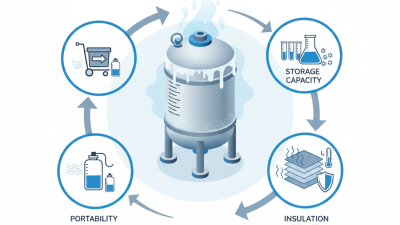
In today's industrial landscape, efficiency and safety are paramount. The liquid nitrogen storage tank plays a vital role in various sectors, ensuring that perishable goods remain preserved. As industries grow, so does the demand for cutting-edge storage solutions that prioritize these elements.
However, many facilities struggle with the intricacies of managing liquid nitrogen. Poorly maintained tanks can lead to hazardous situations. It's essential to choose the right tank designs and materials that enhance safety measures. A well-designed liquid nitrogen storage tank not only extends shelf life but also minimizes risks associated with leaks and temperature fluctuations.
Furthermore, innovations in technology are shaping the future of liquid nitrogen storage. The advent of smarter systems allows for better monitoring and efficiency. Yet, the industry should reflect on existing practices. Mistakes in installation or maintenance can still occur, revealing gaps in current protocols. A commitment to continuous improvement is necessary to secure better outcomes.
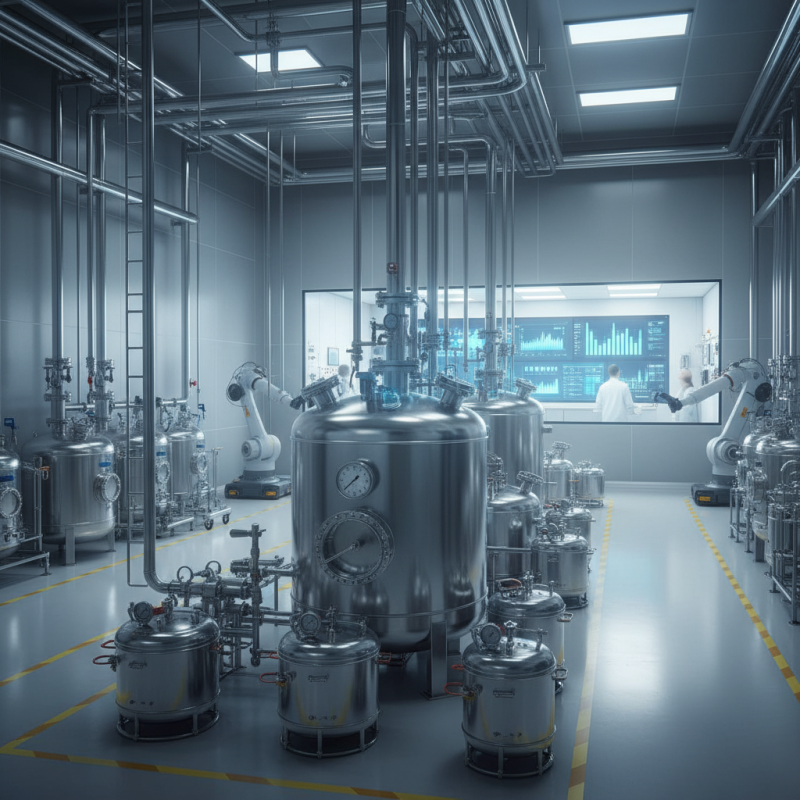
Liquid nitrogen storage tanks are essential in various industries across China. These tanks provide safe and efficient storage solutions for liquid nitrogen, which is crucial for applications in healthcare, food processing, and research. A recent industry report highlighted that the demand for liquid nitrogen in China is growing at a rate of 8% annually. This increase reflects the expanding usage of nitrogen in medical equipment and preservation techniques.
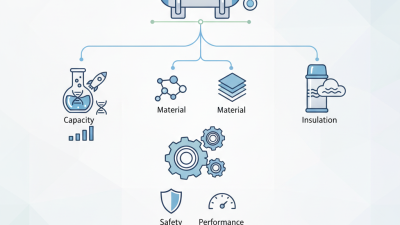
The design of these tanks plays a pivotal role in safety. For instance, well-insulated tanks minimize nitrogen evaporation, which prevents wastage. Typical capacities range from 300 liters to 5,000 liters, accommodating different industry needs. However, the industry faces challenges related to the maintenance of these tanks. Regular inspections are vital to ensure that the tanks remain leak-free. Some facilities delay maintenance, leading to potential hazards.
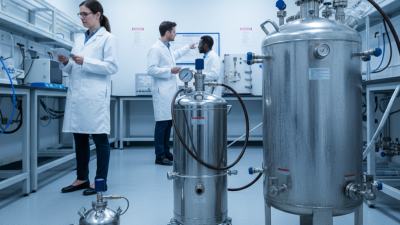
Moreover, proper training for staff overseeing these tanks is critical. According to a survey, about 30% of accidents occur due to operator errors. Clear guidelines and safety protocols can reduce these incidents. A comprehensive understanding of tank operation and emergency protocols can foster a culture of safety. As the industry grows, so too does the responsibility to ensure both efficiency and safety in liquid nitrogen storage.
| Tank Type | Storage Capacity (Liters) | Construction Material | Insulation Type | Safety Features |
|---|---|---|---|---|
| Vertical Tank | 5000 | Stainless Steel | Vacuum Insulation | Pressure Relief Valve |
| Horizontal Tank | 10000 | Carbon Steel | Layered Insulation | Alarm System |
| Micro Tank | 300 | Aluminum Alloy | Foam Insulation | Emergency Shutoff |
| Cryogenic Tank | 20000 | Stainless Steel | Dual Vacuum Insulation | Biometric Access Control |
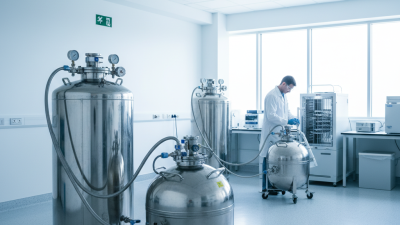
The safety and efficiency of liquid nitrogen storage are paramount in various industries. Liquid nitrogen is commonly used for cryopreservation, food preservation, and industrial applications. Critical features of storage solutions include robust insulation and effective pressure regulation. Insulating materials must withstand extreme temperatures, reducing heat transfer. According to industry reports, the thermal efficiency of well-insulated tanks can improve energy savings by up to 30%.
Pressure maintenance is crucial. Tanks must have reliable pressure relief systems. These systems prevent dangerous pressure buildups. If pressure exceeds design limits, catastrophic failure can occur. Studies indicate that more than 20% of liquid nitrogen storage systems do not meet safety standards, raising significant concerns. Regular maintenance checks are essential, yet many facilities overlook this requirement.
Moreover, proper training for staff is often neglected. Employees handling liquid nitrogen must understand safety protocols. A lack of training can lead to accidents. Research highlights that nearly 15% of incidents arise from human error. Facilities should invest in regular training sessions to enhance safety measures. Balancing safety with efficiency requires continuous improvement and strict adherence to industry standards.
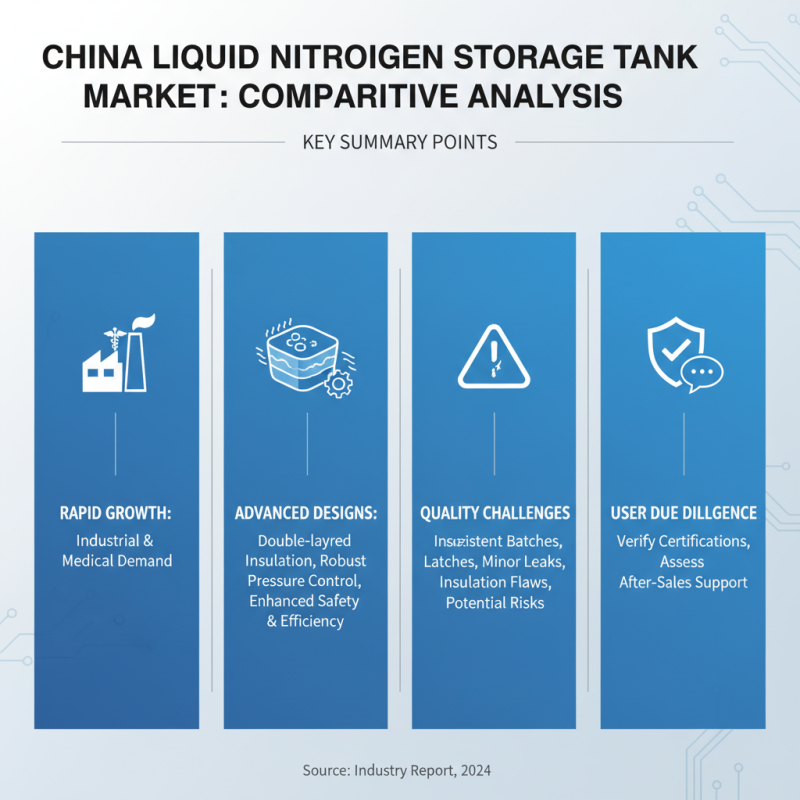
China's liquid nitrogen storage tank market has grown rapidly, driven by industrial and medical demands. Many manufacturers offer advanced designs that promise improved safety and efficiency. These tanks feature double-layered insulation and robust pressure control systems. However, not all manufacturers maintain consistent quality in every batch. Some products have minor leaks or insulation flaws, which pose risks. Users must carefully check certification and after-sales support before purchasing.
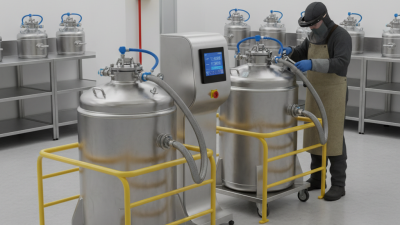
Comparing leading manufacturers reveals differences in materials and technology used. High-grade stainless steel is common, but welding quality varies significantly. Some tanks come with automated monitoring systems that track temperature and pressure in real time. This adds an important safety layer but also increases costs. Smaller manufacturers may lack such sophisticated features but provide competitive pricing. Efficiency hinges not only on design but also on user maintenance. Tanks with poor seals or damaged valves can lose nitrogen faster, affecting long-term cost-effectiveness. This aspect is often overlooked when comparing brands.
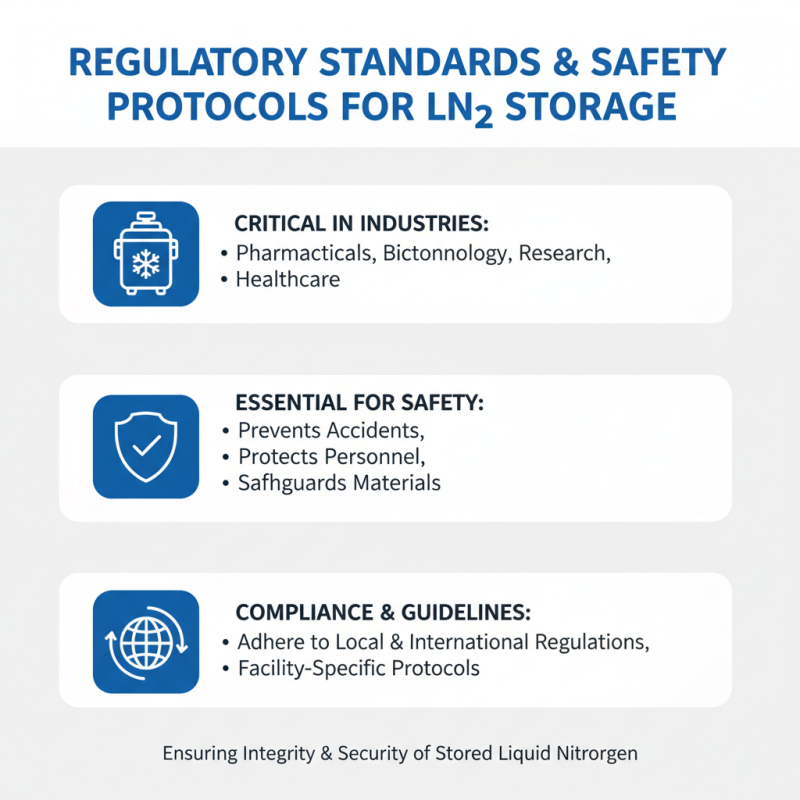
Liquid nitrogen storage is critical in various industries. Understanding regulatory standards is essential for ensuring safety. Each storage facility should comply with local and international guidelines. These standards are designed to prevent accidents and ensure the integrity of the stored material.
Safety protocols are equally important. Regular inspections are necessary to identify any potential hazards. Training staff in emergency procedures can save lives. Proper labeling of tanks and equipment is vital for clear communication. Sometimes, facilities neglect these details. This oversight can lead to dangerous situations.
Efficient storage solutions help maintain the quality of liquid nitrogen. Insulated tanks reduce evaporation loss and increase safety. However, maintaining the right temperature is an ongoing challenge. Regular monitoring is crucial. It’s important to address any discrepancies quickly. A proactive approach to safety and efficiency will contribute to a safer working environment.
Liquid nitrogen storage technology has seen significant advancements in recent years. Innovations focus on improving safety and efficiency, which are crucial in various fields. Enhanced cryogenic tanks now offer better insulation, reducing evaporation losses. This improvement is vital for maintaining low temperatures and ensuring product integrity.
New monitoring systems have emerged, providing real-time data on tank conditions. Users can now receive alerts for temperature fluctuations, preventing potential hazards. However, there are still challenges to address. Many facilities struggle with proper training for staff on handling these systems. Ensuring adequate knowledge is essential for maximizing safety.
Sustainability is also a key consideration in liquid nitrogen storage solutions. Eco-friendly designs are gaining traction, but implementation can be slow. Some companies overlook environmental impacts in their rush to innovate. Balancing efficiency and responsibility will require ongoing reflection and adjustment. Technologies may improve, but human factors remain critical in this evolving landscape.