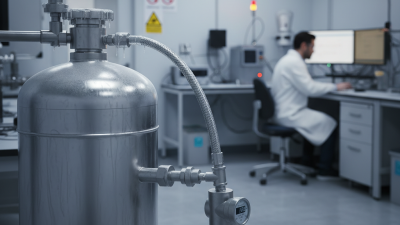
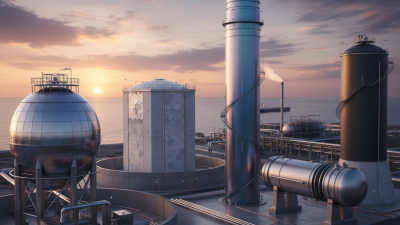
Choosing a cryo tank in 2026 is not simply a matter of selecting the largest vessel. It is a decision about temperature, pressure, gas compatibility, delivery frequency, site access, and long-term operating cost. A tank that looks efficient on paper may create excessive boil-off beside a busy loading dock. Small details matter.
Industry forecasts show why this market deserves careful attention. Grand View Research valued the global cryogenic equipment market at approximately USD 24.9 billion in 2023, with continued growth expected through 2030. MarketsandMarkets has also projected strong expansion for cryogenic tanks, although its figures differ because the research scope and product categories are not identical. That difference is worth remembering. Market data is useful, but it is never the entire buying decision.
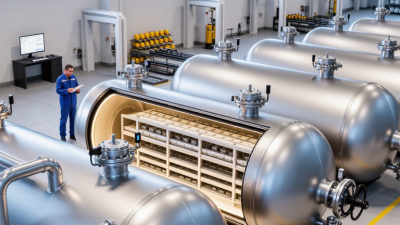
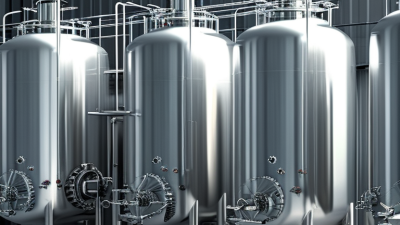
Steven W. Van Sciver, a respected cryogenic engineering authority, defines the field this way: “Cryogenics is the science and technology of producing and using temperatures below 123 K.” His statement highlights the real challenge. A cryo tank must safely manage extreme cold, insulation performance, pressure control, and material durability. Vacuum-jacketed models often reduce thermal transfer, but they can require more specialized maintenance. Horizontal tanks may suit high-volume storage. Vertical designs can save valuable floor space. Mobile tanks offer flexibility, yet transport introduces additional handling demands.
There is no universal winner. Not even close.
This guide compares pressure ranges, capacities, insulation systems, safety features, maintenance needs, and total ownership costs. It also examines where buyers can make avoidable mistakes, especially when a low purchase price hides higher losses, service needs, or installation complexity.
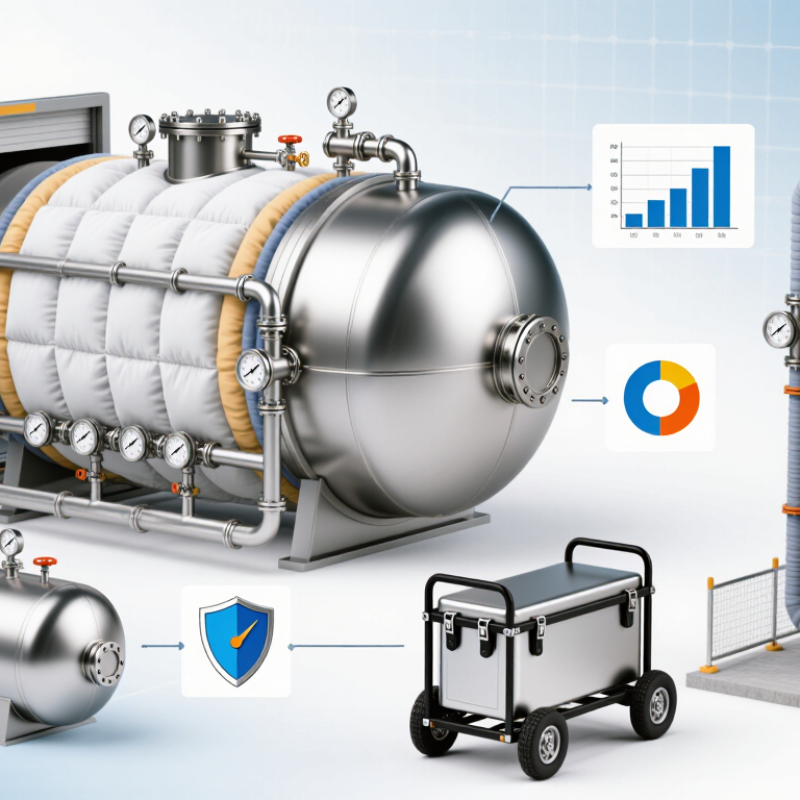
A cryo tank is an insulated vessel designed to store liquefied gases at extremely low temperatures. Its purpose is to limit heat transfer, control pressure, and support safe liquid delivery. Unlike ordinary storage tanks, it must manage vapor formation continuously. I have seen small insulation defects create noticeable pressure changes. Fit matters. The cold is unforgiving.
Most cryo tanks use double-wall construction with an inner vessel and an outer shell. A vacuum space between them reduces heat movement. Multilayer insulation may improve thermal performance. Pressure relief devices protect the vessel when stored liquid warms and expands. Materials must remain strong without becoming brittle. However, insulation performance can decline over time. That detail is easy to miss. Regular inspections, pressure checks, and clear maintenance records support reliable operation.
Cryo tanks serve hospitals, laboratories, food-processing facilities, manufacturing plants, and research centers. Common stored gases include nitrogen, oxygen, argon, and helium. Each application requires different capacity, pressure control, transfer equipment, and monitoring. A laboratory may need compact access and low consumption. A hospital may require dependable supply during busy periods. Before choosing a type, evaluate usage patterns, installation space, ventilation, and service access. A qualified engineer should also verify the design against current safety requirements. The cheapest tank can become expensive when access is poor or maintenance is neglected.
| Cryo Tank Type | Primary Purpose | Typical Stored Media | Typical Temperature | Typical Capacity Range | Pressure Characteristics | Main Applications | Key Advantages | Important Buying Considerations |
|---|---|---|---|---|---|---|---|---|
| Open Cryogenic Dewar | Short-term storage and convenient access to cryogenic liquid without a sealed pressure vessel. | Liquid nitrogen, liquid oxygen, liquid argon, and other compatible cryogenic liquids. | Depends on the stored fluid; liquid nitrogen is approximately −196°C at atmospheric pressure. | Approximately 1–50 L for common laboratory and clinical units. | Vented; normally operates close to atmospheric pressure and is not intended for pressure storage. | Laboratories, sample preparation, demonstrations, and frequent manual liquid transfer. | Simple operation, easy access, low initial cost, and no pressure-building system. | Higher evaporation loss than sealed vessels; requires suitable ventilation and careful manual handling. |
| Vacuum-Insulated Storage Dewar | Store cryogenic liquid while reducing heat transfer and evaporation. | Liquid nitrogen, liquid argon, liquid oxygen, and other compatible liquefied gases. | Product-dependent; liquid nitrogen is typically maintained near −196°C. | Approximately 10–1,000 L. | Usually low pressure or atmospheric-pressure service, with controlled venting. | Laboratories, healthcare facilities, research centers, and small production areas. | Good thermal performance, portable options, and lower product loss than non-insulated containers. | Check vacuum integrity, relief-device condition, allowable liquid, neck design, and expected holding time. |
| Pressurized Cryogenic Storage Tank | Hold and dispense cryogenic liquid under controlled pressure. | Liquid nitrogen, oxygen, argon, carbon dioxide, and other approved cryogenic fluids. | Determined by the fluid and operating pressure; cryogenic service remains below −150°C. | Approximately 100–10,000 L for common stationary installations. | Designed for regulated working pressure and equipped with pressure-relief protection. | Industrial gas supply, hospitals, laboratories, food processing, and manufacturing. | Reliable liquid delivery, reduced manual handling, and compatibility with distribution piping. | Verify pressure rating, relief settings, piping materials, inspection requirements, and site ventilation. |
| Bulk Cryogenic Storage Tank | Provide a large, stationary reserve of cryogenic liquid for continuous or high-volume consumption. | Liquid nitrogen, oxygen, argon, carbon dioxide, and selected specialty gases. | Fluid-specific; stored liquids remain at cryogenic temperatures inside a vacuum-insulated vessel. | Approximately 5,000–100,000+ L, depending on installation and process demand. | Pressurized service with relief, monitoring, filling, and delivery systems. | Large hospitals, metal fabrication, chemical processing, food production, and industrial plants. | High storage capacity, consistent supply, and fewer frequent deliveries. | Requires a prepared foundation, separation distances, vehicle access, trained operators, and regulatory review. |
| Microbulk Tank | Supply cryogenic liquid from an on-site tank that is refilled periodically by delivery vehicle. | Commonly liquid nitrogen, oxygen, argon, or carbon dioxide. | Fluid-specific cryogenic temperature; liquid nitrogen is approximately −196°C. | Approximately 500–10,000 L. | Pressurized, with automatic pressure management and controlled liquid withdrawal. | Medium-volume users that need a steadier supply than cylinders but do not require a large bulk system. | Less cylinder handling, automated inventory monitoring, and convenient liquid or gaseous supply. | Compare consumption rate, refill frequency, telemetry options, installation space, and delivery access. |
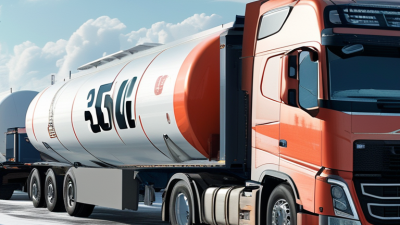
| Cryogenic Transport Tank | Transport and temporarily store liquefied gases by road or other approved logistics methods. | Liquid nitrogen, oxygen, argon, carbon dioxide, and other regulated cryogenic liquids. | Fluid-specific; maintained by vacuum insulation and controlled venting. | Approximately 100–50,000 L, depending on the transport configuration. | Engineered for transport loads, operating pressure, relief protection, and applicable transport regulations. | Gas distribution, inter-site transfer, emergency supply, and delivery operations. | Large-volume movement of cryogenic liquids with insulated construction and dedicated transfer connections. | Confirm transport certification, route requirements, grounding, emergency equipment, and loading procedures. |
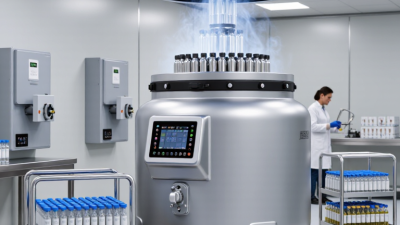
| Cryogenic Sample Storage Tank | Preserve biological samples at very low temperatures for long-term storage. | Usually liquid nitrogen vapor or liquid nitrogen, depending on the storage design. | Vapor-phase systems are commonly maintained below −150°C; liquid nitrogen is approximately −196°C. | Approximately 20–2,000 L, with capacity often stated by vial or rack count. | Usually non-pressurized or low-pressure, with controlled venting and level monitoring. | Biobanks, fertility clinics, cell culture laboratories, pharmaceutical research, and medical research. | High sample density, stable low-temperature storage, and organized rack-based access. | Evaluate temperature uniformity, alarm systems, backup supply, access frequency, and sample-recovery procedures. |
| Cryogenic Cylinder | Provide a movable supply of cryogenic liquid or gas for smaller users and intermittent demand. | Liquid nitrogen, oxygen, argon, carbon dioxide, and other compatible products. | Fluid-specific; liquid nitrogen is approximately −196°C. | Approximately 20–250 L water capacity, depending on the cylinder design. | Pressurized container with a pressure-relief device and product withdrawal valves. | Welding, laboratories, medical gas use, food applications, and small-scale processes. | Portable, widely usable, and suitable when demand does not justify a fixed tank. | Consider net liquid capacity, tare weight, delivery frequency, handling equipment, and valve compatibility. |
| Low-Pressure Cryogenic Tank | Store and dispense cryogenic liquid where low delivery pressure and gentle transfer are required. | Commonly liquid nitrogen and other compatible cryogenic liquids. | Depends on the stored fluid; liquid nitrogen remains near −196°C. | Approximately 50–5,000 L. | Lower working pressure than high-pressure vessels; still requires certified relief protection. | Sample storage support, laboratory filling, controlled cooling, and low-demand liquid transfer. | Reduced pressure stress, straightforward dispensing, and suitability for sensitive transfer operations. | Confirm required flow rate, static holding time, vent routing, and whether the process needs liquid or gas. |
| High-Pressure Cryogenic Tank | Deliver cryogenic fluid at higher pressure for vaporization, distribution, or specialized process equipment. | Liquid oxygen, nitrogen, argon, carbon dioxide, and other approved cryogenic fluids. | Fluid-specific and pressure-dependent; cryogenic contents remain at very low temperatures. | Approximately 100–10,000 L for stationary systems. | Higher rated working pressure with multiple relief and pressure-control devices. | Industrial gas distribution, high-flow processes, and applications requiring elevated gas delivery pressure. | Supports higher delivery pressure and can reduce the need for additional downstream compression. | Select only after confirming process pressure, flow demand, material compatibility, safety distances, and inspection rules. |