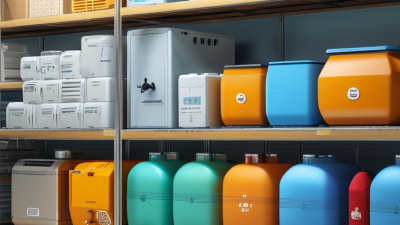
Choosing an ln2 supply tank is not simply a matter of comparing capacity and price. Buyers must consider insulation performance, pressure-control design, fill connections, monitoring options, and the support available after installation. Small details matter. A worn coupling or unclear service plan can complicate routine deliveries. For global buyers, supplier experience with shipping, commissioning, and local technical support also deserves close attention.
Cryogenic engineer John Weisend’s published work offers a useful systems-level lesson: reliable cryogenic performance depends on the vessel and the equipment around it. The sentence here is a paraphrase, not a verbatim quotation. That distinction matters when technical claims influence purchasing decisions. A strong supplier should explain operating limits clearly and provide documentation that matches the proposed configuration. Ask how the tank handles expected withdrawal rates, what inspection and maintenance are recommended, and how spare parts are supplied. Then compare responses, not just brochures.
This guide introduces ten ln2 supply tank suppliers for international procurement teams. It is intended as a starting point, not a universal ranking; availability and suitability can vary by region and application. Some buyers may prioritize a compact tank for a laboratory, while others need larger storage and dependable delivery coordination. There is no perfect shortlist. Verify specifications, references, service coverage, and applicable requirements before making a final selection.
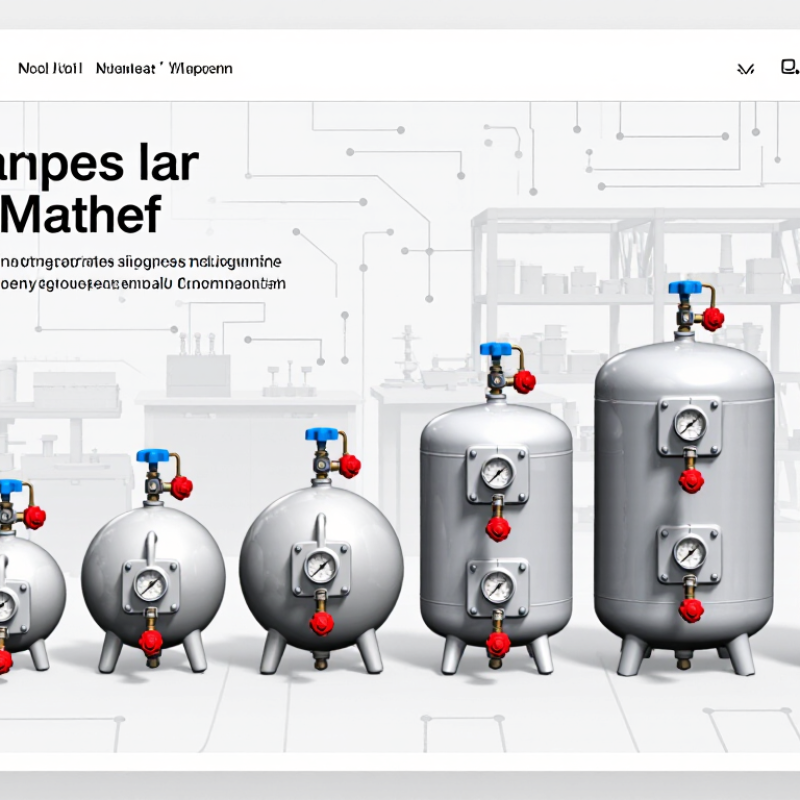
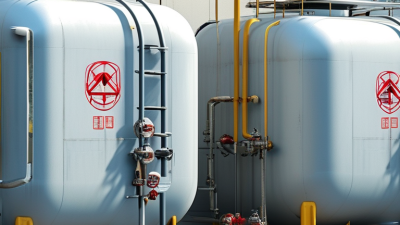
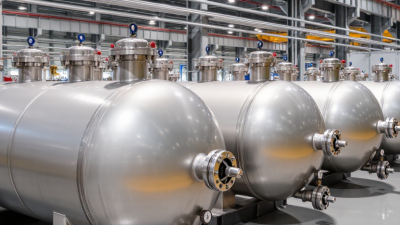
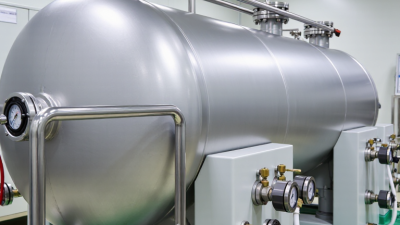
LN2 supply tanks store liquid nitrogen at about −196°C and deliver it as gas or liquid, depending on the process. Their vacuum-insulated walls slow heat transfer, while pressure controls and relief devices support safe operation. A tank may feed a laboratory freezer, a food-processing line, or a medical storage system. The right capacity depends on daily draw, delivery frequency, and peak demand—not just the number of connected machines. That detail matters.
Demand sits within a wider cryogenic equipment sector. Grand View Research’s 2022 industry report valued the global cryogenic equipment market at approximately US$21.9 billion and projected 6.3% annual growth from 2023 to 2030. This figure covers more than LN2 tanks, so it should not be read as a nitrogen-specific forecast. Applications vary: laboratories need steady supply for sample preservation, while industrial sites may require larger vessels and reliable vaporization. In practice, layout and variable demand can complicate a seemingly simple capacity estimate.
Tips: Check working pressure, usable volume, and refill access before selecting a tank. Confirm that delivery hoses and vaporizers match the required flow. Leave clear space around relief outlets, and review consumption records after installation; the first estimate may be imperfect.
Supplier categories are listed rather than individual companies or brands. The table is a practical sourcing guide, not a ranked directory; available equipment and services vary by market and supplier.
| Supplier Category | Typical LN2 Equipment | Common Applications | Useful Sourcing Considerations |
|---|---|---|---|
| Cryogenic vessel manufacturers | Vacuum-insulated storage vessels, pressure vessels, transport dewars, and related accessories | Industrial gas storage, laboratories, healthcare facilities, and manufacturing | Confirm applicable pressure-vessel codes, working pressure, capacity, material documentation, and local certification requirements. |
| Industrial gas producers and distributors | LN2 supply programs paired with customer storage tanks, bulk tanks, or delivery vessels | Sites with recurring nitrogen demand, including food processing, electronics, and metal fabrication | Compare delivery frequency, regional availability, minimum order terms, emergency service, and tank ownership or rental arrangements. |
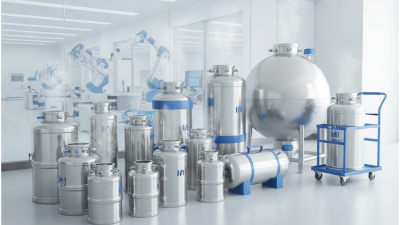
| Local industrial gas dealers | Smaller liquid nitrogen dewars, cylinders for related gases, and supply accessories | Small laboratories, workshops, research facilities, and businesses with moderate demand | Check local delivery coverage, refill arrangements, handling guidance, and the availability of compatible transfer equipment. |
| Laboratory and life-science equipment suppliers | Laboratory dewars, sample-storage vessels, cryogenic freezers, and monitoring accessories | Biobanking, research, fertility services, and clinical or university laboratories | Assess storage configuration, sample access, temperature monitoring, alarm options, and procedures for safe replenishment. |
| Medical and healthcare gas suppliers | Storage and supply equipment configured for healthcare or medical-gas environments | Hospitals, medical laboratories, and facilities using cryogenic processes | Verify that the equipment and supply service meet the facility’s applicable regulations, documentation, and risk-management procedures. |
| Bulk and microbulk system integrators | Stationary insulated tanks, vaporizers, pressure-control equipment, and telemetry systems | Manufacturing plants and other sites requiring continuous or high-volume nitrogen supply | Review the site demand profile, tank siting, vaporizer capacity, access for deliveries, and installation responsibilities. |
| Refrigerated transport and logistics equipment suppliers | Transport vessels, portable dewars, and equipment designed for movement of cryogenic liquids | Inter-site transfers, mobile services, and distribution between supply locations and end users | Check transport approvals, payload and road limits, securement requirements, and procedures for pressure relief and ventilation. |
| Food and beverage process-equipment suppliers | LN2 dosing systems, insulated storage vessels, and process-line connections | Food chilling, freezing, packaging, and selected beverage processes | Confirm equipment compatibility with the process, cleanability where relevant, dosing controls, and food-safety requirements. |
| Semiconductor and electronics process suppliers | High-purity nitrogen supply components, storage interfaces, and gas-delivery equipment | Electronics manufacturing, surface treatment, and controlled-atmosphere processes | Specify required gas purity, compatible wetted materials, cleanliness procedures, and monitoring or backup-supply needs. |
| Tank service, inspection, and maintenance providers | Inspection, repair, vacuum-jacket evaluation, valve service, and pressure-system maintenance | Facilities operating existing LN2 storage and distribution equipment | Confirm technician qualifications, inspection scope, service records, parts availability, and compliance with local rules. |