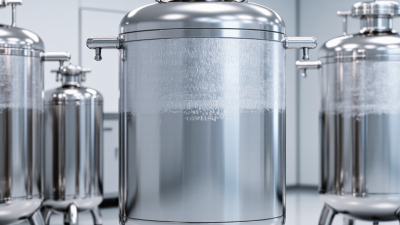
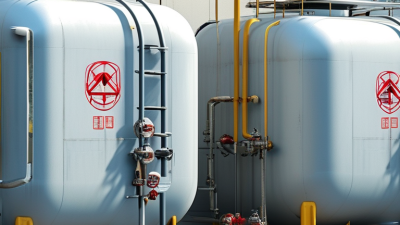
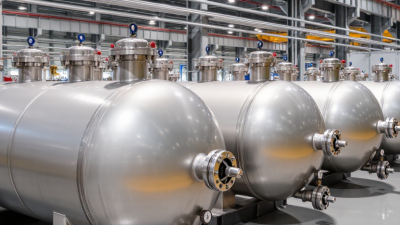
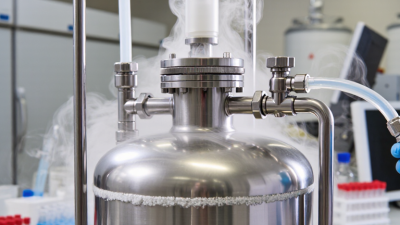
A reliable ln2 storage tank is more than a tall, polished vessel beside a laboratory wall. It protects a valuable cryogenic supply while helping staff manage boil-off, pressure, and daily access. In his cryogenic engineering text, Thomas M. Flynn provides a foundation for understanding low-temperature systems. A practical paraphrase of that engineering perspective is: “Match the vessel and its operating controls to the demands of the process.” This is not a direct quotation, but a useful principle for buyers.
Start with the actual job. Will the tank serve a laboratory, medical facility, farm, or industrial process? Estimate daily nitrogen use, delivery frequency, peak demand, and the space available for installation. Then compare usable capacity, insulation performance, pressure-building features, valves, level monitoring, and connection compatibility. A large nameplate capacity can look reassuring. It may still be a poor fit if access is awkward or consumption is low.
Details matter here. Check the manufacturer’s documentation, service availability, inspection guidance, and stated operating limits. Ask how performance is measured and what conditions affect reported evaporation rates. Confirm that installation, ventilation, monitoring, and staff procedures suit the specific site. These practical checks support safer operation, but they do not replace qualified engineering review or local requirements. One uncomfortable truth: buyers can focus too heavily on price. That is easy to do. A careful comparison should weigh lifecycle costs, support, and downtime alongside the purchase quote. This 2026 guide helps you ask sharper questions before choosing an ln2 storage tank.
Understanding LN2 Storage Tanks and Their Operating Principles
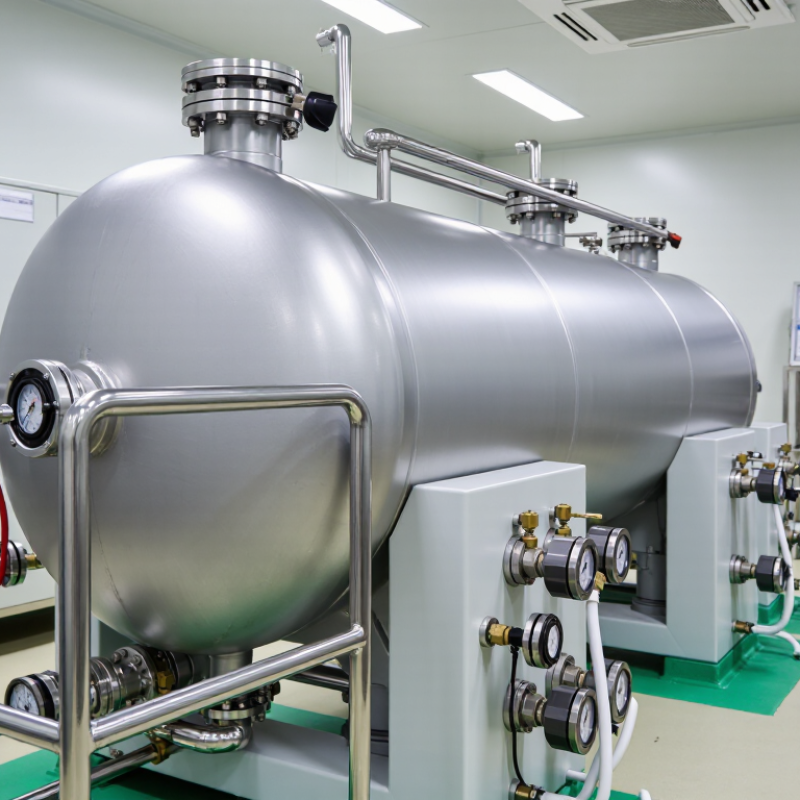
A liquid nitrogen (LN2) storage tank works by slowing heat transfer, not stopping it. Most vessels use a double-wall construction with an evacuated space between the walls. The vacuum limits heat transfer through gas, while reflective surfaces can reduce radiant heat. Even so, a small amount of nitrogen boils away continuously. Small losses matter. The National Institute of Standards and Technology lists nitrogen’s normal boiling point as 77.34 K, or about −195.8°C, and its vaporization enthalpy as roughly 5.6 kJ per mole. These properties explain why even modest heat leaks create gas and pressure.
Tank design determines how LN2 is stored and dispensed. Open-neck dewars vent boil-off through the neck; pressurized vessels use valves and pressure controls to deliver liquid through a transfer line. Actual holding time depends on vessel size, fill level, neck design, insulation condition, and how often the lid opens. A frost ring or unusual ice buildup can be a warning sign, but it does not diagnose the cause. Check the manufacturer’s operating instructions and inspect the vessel routinely. Ventilation matters: OSHA defines an oxygen-deficient atmosphere as below 19.5% oxygen. Boil-off can displace room air, especially in poorly ventilated spaces. A tank may look quiet while gas escapes. That detail is easy to overlook. Sources: NIST Chemistry WebBook, nitrogen phase-change data; OSHA Technical Manual, oxygen-deficient atmospheres.
Liquid nitrogen (LN₂) storage vessels use insulation to limit heat transfer and slow evaporation. The right choice depends on what is being stored, required temperature uniformity, access frequency, capacity, and safe handling arrangements.
| Buying Dimension | How the Tank Works | Useful Facts and Typical Data | What to Check Before Buying |
|---|---|---|---|
| Storage application | LN₂ may be stored as a cryogenic liquid or used to maintain a very low-temperature vapor environment around samples. | Liquid nitrogen boils at approximately −196°C (77 K) at standard atmospheric pressure. Vapor temperature varies with tank design, fill level, and position. | Confirm whether the application requires immersion in liquid, vapor-phase storage, or a separate liquid-nitrogen supply vessel. |
| Insulation system | Many storage vessels use a double-wall construction with an evacuated space between the inner and outer walls. This vacuum reduces heat transfer by gas conduction and convection; reflective layers may further reduce radiant heat transfer. | Insulation slows heat ingress but does not stop evaporation completely. Static holding time depends on vessel design, capacity, condition, and operating environment. | Ask for the stated static holding time and evaporation rate, and check the test conditions used to determine them. Treat performance figures as model- and use-specific. |
| Vessel construction | The inner vessel contains the cryogenic liquid; the outer shell protects the assembly and helps maintain the insulating vacuum. | Inner and outer vessel materials vary by design. Stainless steel and aluminum are both used in cryogenic equipment; material choice affects weight, durability, and maintenance needs. | Check material specifications, corrosion compatibility, construction quality, service access, and the availability of inspection or repair support. |
| Capacity and usable volume | Nominal capacity describes the vessel’s stated volume, while usable capacity depends on the fill limit, internal layout, and storage accessories. | Racks, canisters, sample boxes, and required headspace can reduce the volume available for a particular storage task. | Compare usable sample capacity—not only nominal liters—and allow for planned growth, handling clearance, and the maximum permitted fill level. |
| Temperature profile | Liquid-phase storage keeps samples in contact with liquid nitrogen. Vapor-phase designs hold samples above the liquid, where cold nitrogen vapor provides cooling. | Temperature can vary from top to bottom and change as the liquid level falls or the lid is opened. Actual performance must be verified for the selected tank and sample positions. | Review temperature mapping, sensor locations, alarms, and the validated storage zone. Confirm that the demonstrated temperature range meets the sample protocol. |
| Static evaporation and refill planning | Heat entering the vessel boils some LN₂ into nitrogen gas. A lower evaporation rate generally means less frequent replenishment, subject to actual usage. | Opening the lid, adding warm materials, and operating in a warm environment can increase nitrogen consumption compared with a closed, undisturbed vessel. | Estimate daily consumption under realistic use, then confirm delivery frequency, refill access, storage for reserve supply, and procedures for monitoring liquid level. |
| Pressure and dispensing | Some dewars operate near atmospheric pressure; other cryogenic supply vessels are designed as pressure vessels to deliver liquid or gas through a controlled outlet. | These vessel types are not interchangeable. Pressure equipment requires suitable pressure relief and must be operated within its specified pressure limits. | Identify whether the application needs passive storage or pressurized dispensing. Check the vessel’s rated pressure, relief devices, approved connections, and applicable local requirements. |
| Monitoring and alarms | Level sensors, temperature probes, and alarm systems can help identify low liquid levels, temperature excursions, or loss of expected performance. | Monitoring does not replace routine inspection, refill planning, or an emergency response procedure. Sensor readings depend on correct installation and calibration. | Check alarm limits, power and communication requirements, remote notification options, calibration procedures, and backup monitoring arrangements. |
| Room ventilation and oxygen safety | Evaporated nitrogen gas is colorless and odorless. In an enclosed or poorly ventilated area, it can displace oxygen and create an asphyxiation hazard. | Risk depends on the quantity released, room volume, ventilation, and release conditions. Oxygen monitoring may be appropriate following a site-specific risk assessment. | Assess room ventilation and oxygen-deficiency risk before installation. Keep suitable emergency procedures in place and do not rely on odor to detect nitrogen gas. |
| Handling and personal protection | Contact with LN₂ or very cold surfaces can cause severe cold burns; liquid can also expand rapidly as it warms and becomes gas. | Use equipment and procedures designed for cryogenic service. Protective measures commonly include eye or face protection, suitable loose-fitting cryogenic gloves, and appropriate footwear. | Check lid and neck design, safe lifting and transport arrangements, handling instructions, and staff training. Never seal LN₂ in a container not designed for pressure. |
| Service life and maintenance | Damage to the vessel, fittings, or vacuum insulation can reduce performance. Abnormal condensation, frost, or a sudden increase in evaporation may indicate a problem. | Inspection schedules and service procedures are specific to the vessel. A vacuum-insulation fault can make a tank unsuitable for continued storage. | Review warranty terms, inspection guidance, repair options, spare-part availability, and the supplier’s procedure for taking a suspect vessel out of service. |
Selection note: Use manufacturer specifications and site-specific risk assessments for final selection. Holding time, evaporation rate, temperature distribution, and usable capacity vary by design and operating conditions.