Choosing among China’s top 10 cryostorage tank manufacturers requires more than comparing prices or product photographs. A reliable supplier should demonstrate engineering competence, manufacturing consistency, and transparent after-sales support. These factors matter when a tank must protect biological samples, vaccines, cells, or laboratory materials for long periods.
This guide examines manufacturers through practical criteria, including vacuum insulation, liquid nitrogen consumption, static holding time, pressure-control design, and usable storage capacity. It also considers weld quality, material selection, temperature monitoring, and the accessibility of replacement parts. Small details can reveal major differences. For example, a poorly designed neck opening may increase nitrogen loss during frequent sample retrieval. Clear labeling and stable internal racks can also reduce handling errors in busy laboratories.
The evaluation includes factory experience, quality documentation, testing procedures, export records, and customer feedback where available. Certifications may support credibility, but they should not replace technical verification. Buyers should request current specifications, inspection reports, warranty terms, and installation guidance before making a decision. A polished website proves little.
No ranking can fit every laboratory. A research institute may prioritize maximum capacity, while a clinic may need compact dimensions and simple monitoring. Some published performance figures can also vary under different operating conditions. That limitation deserves attention. The strongest manufacturers are not merely those offering attractive tanks, but those explaining performance honestly and supporting safe, traceable cryogenic storage throughout the product’s service life.
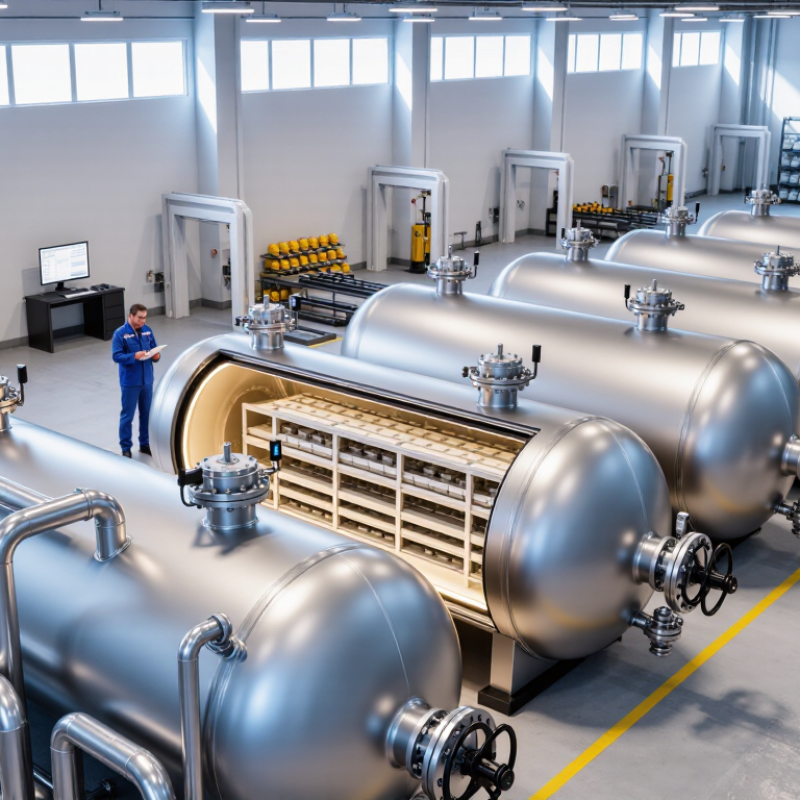
Cryostorage tanks preserve biological samples at extremely low temperatures, commonly with liquid nitrogen. They support laboratories, fertility clinics, hospitals, and research facilities. A tank may store cell lines, tissues, blood products, or reproductive specimens. Its main purpose is stable preservation, not simply cold storage.
Key technical features include vacuum insulation, corrosion-resistant materials, secure lids, and organized racks. Temperature sensors should provide clear readings and trigger alarms during abnormal changes. Pressure relief systems also matter, especially when nitrogen evaporates inside a sealed space. Neck design affects sample access and vapor loss. In practice, advertised static hold times can feel optimistic. Frequent lid opening, warm rooms, and poor maintenance may shorten them. That detail deserves closer review.
Tips: Match tank capacity with current needs and realistic growth. Check sample retrieval time, not only total capacity. Ask for test records, calibration support, and emergency procedures. Staff should monitor liquid levels on a schedule and keep ventilation effective. A beautiful specification sheet cannot replace routine inspection. Some users overlook this. Also review rack compatibility before purchase, because unsuitable racks can waste space and slow safe retrieval. A reliable evaluation compares performance data, service quality, user training, and documented safety features rather than choosing by price alone.
China Top 10 Cryostorage Tank Manufacturers?
How to Evaluate Cryostorage Tank Manufacturers in China
When evaluating cryostorage tank manufacturers in China, start with evidence, not catalogue photographs. Ask for material certificates, weld records, pressure-test results, and vacuum-performance data. Reliable suppliers explain how each result was measured. Request serial-number traceability. Small details matter. During a factory visit, inspect weld finishing, insulation assembly, cleaning areas, and final inspection stations. These observations reveal production discipline better than polished showroom displays.
Technical evaluation should match the intended workload. Compare static evaporation rates, usable volume, holding time, neck design, and access frequency. A low purchase price may conceal higher nitrogen consumption or difficult maintenance. Review drawings and manuals with an engineer who understands cryogenic safety. Check conformity documents for the destination market, but do not treat certificates as proof of performance. Documents can be incomplete. Ask for test data from actual production units, not only laboratory samples.
Service quality often decides whether a tank remains dependable after delivery. Evaluate response times, spare-part availability, operator training, and warranty boundaries. Ask for references from facilities with similar storage patterns. Talk directly to users if possible. In one comparison, I focused too heavily on specifications and overlooked delivery packaging. The tanks arrived safely, but unloading required extra equipment. That mistake changed my checklist. Some manufacturers promise customization too quickly. Ask about lead time, validation support, design-change control, and inspection gaps. An honest supplier will discuss limitations, including temperature drift and shipping risks.
| No. | Evaluation Dimension | What to Verify | Practical Benchmark or Evidence | Suggested Weight | Score (1–5) |
|---|---|---|---|---|---|
| 1 | Regulatory Compliance | Confirm that the tank design, manufacture, inspection, and labeling comply with the regulations applicable to the installation country. | Request pressure-vessel documentation, material certificates, inspection records, applicable GB/T or TSG compliance documents, and export certificates where required. | 18% | — |
| 2 | Vacuum Insulation Performance | Evaluate the quality and stability of the vacuum-insulated structure, including the inner vessel, outer jacket, supports, and vacuum ports. | Ask for factory vacuum-test records, leak-test results, insulation construction details, and the vacuum warranty period. Compare data under identical conditions. | 15% | — |
| 3 | Static Holding Time | Check how long the tank can retain liquid nitrogen without replenishment under stated test conditions. | Compare holding time only when capacity, ambient temperature, lid-opening frequency, fill level, and measurement method are the same. The stated value should be supported by a test report. | 12% | — |
| 4 | Usable Capacity and Layout | Assess actual usable storage space rather than only the gross volume shown in a catalogue. | Verify canister dimensions, rack compatibility, number of storage positions, neck diameter, liquid-level reserve, and access clearance. | 10% | — |
| 5 | Temperature and Level Monitoring | Determine whether the monitoring system can identify low liquid level, abnormal temperature, sensor failure, and power interruption. | Look for calibrated sensors, audible and visual alarms, event logging, remote notifications, backup power options, and documented alarm thresholds. | 10% | — |
| 6 | Operational Safety | Review protection against overpressure, rapid venting, frostbite risk, oxygen-deficiency hazards, and accidental lid movement. | Verify relief devices, vent routing, lid locks, pressure-control components, safety labels, operating instructions, and compatibility with room oxygen monitoring. | 10% | — |
| 7 | Customization Capability | Evaluate whether the manufacturer can adapt the tank to the required capacity, rack system, monitoring configuration, and installation environment. | Request engineering drawings, interface dimensions, sample layouts, customized control requirements, and written confirmation of design changes. | 8% | — |
| 8 | Quality Assurance and Testing | Assess the consistency of production controls and the completeness of final inspection procedures. | Check the quality-management certificate, welding records, dimensional inspection, pressure testing, leak testing, vacuum testing, calibration records, and final inspection report. | 7% | — |
| 9 | After-Sales Service and Spare Parts | Review technical support, maintenance capability, replacement-part availability, and response procedures after delivery. | Confirm warranty terms, service response time, commissioning support, spare-part list, maintenance manuals, training, and escalation contacts. | 5% | — |
| 10 | Delivery, Traceability and Total Cost | Compare production lead time, packaging, transport requirements, installation cost, operating cost, and document traceability. | Request a complete quotation covering the tank, racks, sensors, commissioning, freight, duties, maintenance, consumables, and all required technical documents. | 5% | — |
| Total Suggested Weight | 100% | — | |||
China’s Top 10 Cryostorage Tank Manufacturers are often compared through safety, durability, and service capability. In practical laboratory projects, tank performance depends on more than storage volume. Vacuum stability, insulation quality, neck design, and evaporation rates affect daily operating costs. A well-built tank should maintain a stable cryogenic environment while protecting cells, tissues, and biological samples.
Experienced buyers examine factory testing records, material certificates, and pressure-control systems. They also check whether manufacturers provide calibrated sensors, clear alarm settings, and replacement parts. Stainless steel surfaces should resist corrosion and support regular cleaning. Strong handles and balanced wheels matter when a large tank moves across a laboratory floor. Small details can prevent expensive handling mistakes.
The top ten should not be judged by advertising alone. Production capacity, export experience, technical training, and response time deserve equal attention. Some suppliers offer impressive specifications but provide limited documentation. That weakness deserves careful review. Buyers should request sample inspection reports, warranty terms, and actual evaporation data before making a decision. Local technical support can also reduce downtime, especially when temperature alarms appear overnight. A ranking may change by application, because a compact research tank and a high-capacity biobank require different designs.
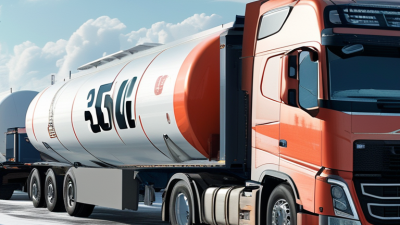
China’s cryostorage tank manufacturers generally serve several product categories. Small laboratory dewars suit routine sample storage and limited floor space. Larger vacuum-insulated tanks support biobanks, hospitals, and research facilities. Transport vessels use reinforced structures for safer movement of frozen materials. Some suppliers also produce self-pressurized units for controlled liquid nitrogen delivery.
Manufacturing standards deserve close attention. Reliable factories should provide material traceability, vacuum-leak testing, pressure testing, and weld inspection records. ISO 9001 systems can support consistent production, while medical applications may require additional quality controls. Export requirements differ by destination, so buyers should verify applicable pressure-vessel and electrical standards before ordering. A certificate alone is not enough. Ask for test methods, acceptance limits, and sample inspection reports.
Customization often includes capacity, neck diameter, rack layout, canister size, casters, level sensors, alarms, and remote monitoring. A narrow neck can reduce evaporation, but it may limit access during frequent sample retrieval. Larger openings improve handling, yet they can increase heat transfer. I have seen specifications that looked impressive but ignored daily workflow. That gap matters. Request drawings, evaporation data, hold-time tests, maintenance guidance, and spare-part details before approval. Site conditions also matter, including ventilation, floor loading, doorway width, and emergency procedures. Small oversights become expensive later.
When comparing China’s top cryostorage tank manufacturers, begin with the storage purpose, not the catalog price. A laboratory holding cell samples needs stable temperatures, predictable evaporation, and easy access. Ask for measured hold time under stated conditions. “Long-lasting” is too vague. Request test reports, material specifications, vacuum performance data, and inspection records for the exact model.
Construction details deserve close attention. Stainless steel quality, neck design, lid sealing, and internal canister layout affect daily reliability. Check whether the tank supports your vial size and rack system. Confirm temperature uniformity at different fill levels. A low evaporation rate may still hide poor usability. Small design flaws become expensive during busy sample transfers.
Supplier evaluation should include more than factory photographs. Review quality-control procedures, calibration methods, warranty terms, spare-part availability, and response times. Ask whether engineers can provide installation guidance, operator training, and troubleshooting documents in clear English. Export packaging also matters; a damaged vacuum jacket can undermine careful production. In my experience, a live factory video call reveals more than polished brochures. Still, it is not proof of everything. Independent inspection and a sample acceptance checklist reduce uncertainty. Keep records of serial numbers, test results, delivery condition, and maintenance dates. The cheapest quotation can become the costliest choice when support is slow.