Blog

China Top 10 Cryogenic Liquid Tank Manufacturers

The cryogenic liquid tanks industry is entering a more demanding phase. Liquefied natural gas, industrial gases, hydrogen, and medical oxygen all require secure low-temperature storage. Tanks must control heat transfer, pressure, vacuum stability, and material contraction.

The International Energy Agency reported that global LNG trade reached about 404 million tonnes in 2023. This growth increases demand for reliable storage and transport equipment. Grand View Research valued the global cryogenic equipment market at approximately USD 22.72 billion in 2023. Its report also expects continued expansion through 2030. These figures do not guarantee every manufacturer will perform equally well.

Cryogenic engineering author Dr. R. K. Bansal states, “Cryogenic engineering is the science and technology of producing and using very low temperatures.” His definition highlights the technical responsibility behind every tank. A polished exterior is not enough. Insulation thickness, stainless-steel quality, weld inspection, pressure testing, and after-sales support matter more.

This overview examines China’s top 10 cryogenic liquid tanks manufacturers through practical criteria. These include production capacity, certification, product range, export experience, customization, and service response. Public company information and industry reports provide the foundation. However, rankings can never be perfectly neutral. Some regional specialists disclose limited data. That creates uncertainty.

Buyers should inspect test records carefully. They should also verify applicable standards, including ASME, EN, GB, or other project requirements. A tank may look impressive in a factory showroom. Its real value appears after years of filling, unloading, temperature cycling, and maintenance. That is where marketing claims meet engineering reality.
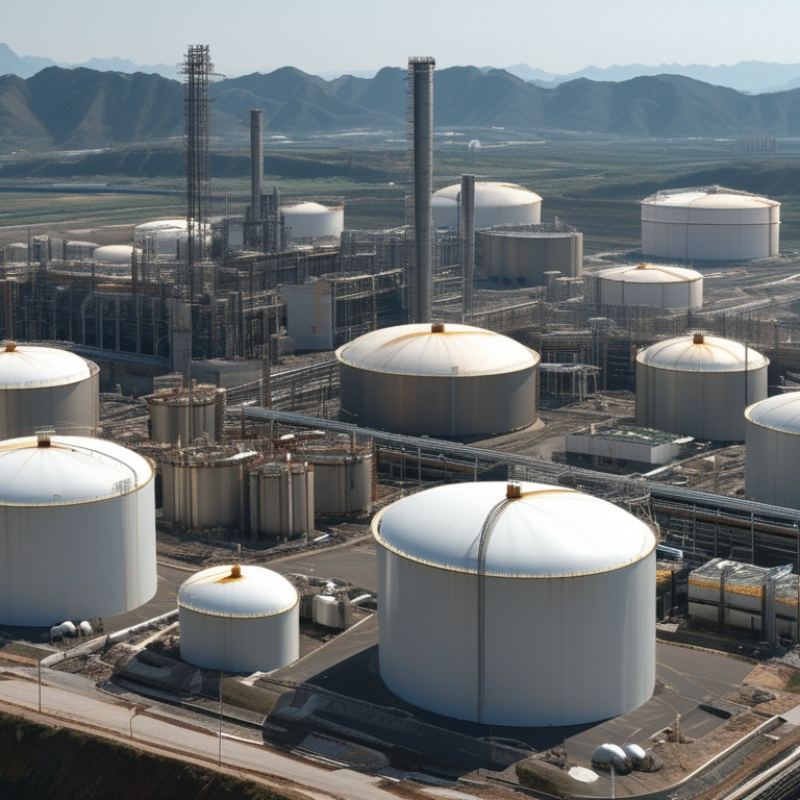
China Top 10 Cryogenic Liquid Tank Manufacturers

What Are Cryogenic Liquid Tanks and Where Are They Used?

Cryogenic liquid tanks are engineered vessels for storing and transporting fluids below minus 150°C. Common contents include liquid oxygen, nitrogen, argon, carbon dioxide, and natural gas. Their double-wall design reduces heat transfer. Vacuum insulation adds another protective barrier. The inner vessel usually uses stainless steel, while the outer shell provides mechanical protection. Pressure gauges, relief valves, and level indicators support controlled operation.

These tanks serve hospitals, laboratories, food processors, electronics factories, and metalworking plants. A hospital may use liquid oxygen for respiratory care. A food facility can freeze products quickly with liquid nitrogen. Electronics manufacturers need stable nitrogen supplies during sensitive production steps. Welding workshops often depend on argon for shielding. Large storage tanks support continuous supply, while smaller dewars help laboratories manage limited volumes.

In field inspections, technicians check vacuum performance, valve condition, surface damage, and pressure records. Frost around an unexpected area can indicate insulation failure. A damaged fitting may create a serious risk. Tanks also require suitable foundations, ventilation, clear labeling, and trained operators. Site temperature and transport conditions matter more than many buyers expect. A tank can look excellent and still have poor maintenance history. This is where specifications alone become insufficient. Conservative selection is usually wiser than choosing only by capacity or price.
How Are China’s Top Cryogenic Tank Manufacturers Evaluated?

China’s top cryogenic liquid tank manufacturers are evaluated through evidence, not polished catalog images. Buyers examine design calculations, material certificates, and pressure-test records. They also check whether tanks meet applicable national and international safety standards. A strong manufacturer can explain every major design choice. That matters.

Material quality is closely reviewed because cryogenic service exposes weak steel to severe temperature changes. Engineers inspect stainless-steel grades, weld penetration, heat treatment, and non-destructive testing reports. Vacuum performance is another critical measure. Technicians may monitor pressure rise over time, inspect insulation layers, and verify the tank’s holding period under realistic conditions. Small details matter here. A loose valve connection can create costly operational trouble.

Manufacturing experience is tested in the field. Evaluators may review delivery records, maintenance feedback, spare-part support, and response times after installation. Traceable documentation strengthens confidence, especially when each vessel has clear serial records and inspection history. Factory cleanliness and worker training also reveal daily discipline. Yet no manufacturer performs perfectly in every project. A supplier may have excellent welding control but weaker after-sales communication. That weakness should remain visible during evaluation, rather than being hidden behind impressive production figures. Practical audits, independent inspections, and honest technical discussions produce a more reliable judgment.

Who Are the Top 10 Cryogenic Liquid Tank Manufacturers in China?

China’s top ten cryogenic liquid tank manufacturers are best assessed through engineering evidence, not online visibility. This group typically serves LNG, liquid nitrogen, oxygen, argon, and carbon dioxide applications. Their product ranges include vacuum-insulated storage tanks, transport tanks, microbulk systems, and horizontal or vertical vessels. MarketsandMarkets estimated the global cryogenic equipment market at about USD 24.9 billion in 2023, with growth toward USD 35.7 billion by 2028. That expansion increases demand for dependable Chinese fabrication.

The leading manufacturers usually demonstrate compliance with GB/T requirements and relevant ASME, EN, or ISO practices. Stronger suppliers document material certificates, weld procedures, non-destructive testing, pressure tests, and vacuum performance. Buyers should examine static evaporation rates, holding time, design pressure, usable volume, and emergency relief protection. A 100 m³ tank may look impressive, but poor vacuum stability can raise operating costs every day. Manufacturing experience matters here. So does after-sales response.

Public rankings remain imperfect. Many Chinese producers disclose capacity, but not long-term failure rates or complete project records. That gap deserves attention. Reports from Grand View Research and Allied Market Research indicate continuing growth in cryogenic storage demand, although their market estimates differ by scope and methodology. A practical top-ten selection should therefore combine export history, verified installations, inspection records, customization ability, and transparent technical communication. The cheapest quotation is rarely the clearest choice. Sometimes, it is only the fastest one.

How Do These Manufacturers Compare in Technology, Quality, and Service?

Technology, quality, and service separate the top cryogenic liquid tank manufacturers. The International Energy Agency reported global LNG trade at about 550 billion cubic metres in 2023. That scale increases demand for reliable storage and transport equipment. However, bigger capacity does not automatically mean better engineering.

Technology should be judged through vacuum performance, insulation design, pressure control, and digital monitoring. A well-built tank limits boil-off and maintains stable pressure during long-distance transport. ISO 21009-1 provides requirements for vacuum-insulated cryogenic vessels, while ASME Section VIII supports pressure-vessel design and testing. Quality becomes visible in helium leak-test records, weld traceability, material certificates, and repeated pressure checks. Small details matter. A poorly sealed valve can waste product and create operational delays.

Service is less visible, but often more important. The best suppliers provide installation guidance, spare-valve availability, emergency response, and clear maintenance schedules. The Global Hydrogen Review 2024 from the International Energy Agency highlights infrastructure reliability as a continuing challenge for hydrogen deployment. That concern also applies to cryogenic tanks. Buyers should compare actual response times, not attractive promises. Factory visits and customer references remain useful evidence. A polished brochure can still hide weak after-sales support. No ranking is perfect. Temperature records, inspection history, and operator feedback may reveal more than laboratory claims.

China Top 10 Cryogenic Liquid Tank Manufacturers - How Do These Manufacturers Compare in Technology, Quality, and Service?

Rank Anonymous Manufacturer Profile Primary Tank Types Typical Working Volume Typical Design Pressure Insulation Technology Applicable Cryogenic Media Common Design and Manufacturing Standards Quality-Control Evidence Customization Capability Service and Export Support
1 Manufacturer Profile 01 Vertical storage tanks Horizontal tanks 5–100 m³ 0.8–2.2 MPa Double-wall vacuum insulation with multilayer insulation Liquid oxygen, nitrogen, argon, LNG and carbon dioxide ASME Section VIII, EN 13458, GB/T 18442 and related pressure-equipment requirements Material certificates, weld procedure qualification, radiographic or ultrasonic testing, pressure and vacuum testing Medium to high; nozzle layout, supports, instrumentation and outlet configuration can normally be adapted Export packing, installation guidance, spare-parts support and remote commissioning assistance
2 Manufacturer Profile 02 Microbulk tanks Stationary tanks 3–60 m³ 0.8–1.6 MPa Vacuum-jacketed construction with perlite or multilayer insulation Liquid nitrogen, oxygen, argon and nitrous oxide GB/T 18442, TSG pressure-vessel requirements and selected ASME fabrication practices Dimensional inspection, weld inspection, helium-leak or vacuum-retention testing and hydrostatic testing where applicable High; suitable for hospitals, laboratories, food processing and industrial gas distribution Application engineering, documentation packages, operator training and local-agent coordination
3 Manufacturer Profile 03 LNG storage tanks Process vessels 10–150 m³ 0.6–1.6 MPa High-vacuum insulation with multilayer insulation and low-thermal-conductivity supports LNG, liquid nitrogen, argon and other liquefied gases compatible with the design Applicable GB standards, pressure-vessel regulations and project-specific international codes Traceable steel certificates, controlled welding procedures, non-destructive examination, vacuum testing and functional testing High; process connections, pressure ratings, safety accessories and control systems may be engineered per project Project-based technical support, commissioning documentation and preventive-maintenance recommendations
4 Manufacturer Profile 04 Horizontal cryogenic tanks Transportable tanks 5–40 m³ 0.8–2.0 MPa Vacuum-insulated double-wall tank with multilayer reflective barriers Liquid oxygen, nitrogen and argon GB/T 18442, applicable transport regulations and customer-specified inspection requirements Weld visual inspection, NDT, pressure testing, safety-valve verification and vacuum-performance checks Medium; commonly configured for road access, skid mounting and restricted installation areas Standard manuals, remote troubleshooting, replacement-valve supply and export logistics assistance
5 Manufacturer Profile 05 Vertical bulk tanks Gasification systems 10–120 m³ 0.8–1.8 MPa Vacuum perlite or multilayer insulation, depending on capacity and application Liquid oxygen, nitrogen, argon, LNG and carbon dioxide GB/T 18442, TSG requirements and selected EN or ASME project specifications Incoming-material inspection, welding traceability, NDT, pressure testing and cold-performance verification High; vaporizer packages, pressure-regulation skids and telemetry can be integrated System-level layout support, commissioning assistance, training and scheduled service options
6 Manufacturer Profile 06 Small cryogenic tanks Laboratory tanks 1–30 m³ 0.8–1.6 MPa Vacuum-jacketed stainless-steel construction Liquid nitrogen, oxygen, argon, helium and carbon dioxide Applicable Chinese pressure-vessel standards, GB/T 18442 and customer technical specifications Stainless-steel material verification, weld inspection, leak testing, pressure testing and instrumentation checks Medium; optimized for compact footprints, low consumption and laboratory or medical use Shorter standard lead times, technical manuals, online support and consumables or valve replacement guidance
7 Manufacturer Profile 07 Industrial gas tanks Bulk distribution tanks 20–100 m³ 0.8–2.0 MPa High-vacuum multilayer insulation with low-heat-leak piping design Liquid oxygen, nitrogen and argon GB/T 18442, pressure-vessel supervision rules and purchaser-specified international standards Welding qualification, NDT records, vacuum-retention test, safety-device calibration and final inspection dossier Medium to high; connection standards and filling or discharge arrangements can be customized Industrial installation support, operator training, maintenance schedules and documentation in multiple languages
8 Manufacturer Profile 08 CO₂ storage tanks Special-gas vessels 5–80 m³ 1.6–2.2 MPa Vacuum-insulated double-wall design with corrosion-resistant internal vessel materials Liquid carbon dioxide and selected cryogenic gases GB/T 18442, applicable material and pressure-vessel standards, plus project-specific code review Material compatibility review, weld inspection, pressure testing, leak testing and relief-system verification High; designed around product purity, pressure control, filling method and site conditions Application review, commissioning support, safety documentation and technical consultation for gas handling
9 Manufacturer Profile 09 Skid-mounted systems Packaged cryogenic units 3–50 m³ 0.8–1.6 MPa Vacuum insulation combined with integrated piping and compact support structures Liquid nitrogen, oxygen, argon and LNG GB/T 18442, applicable electrical and pressure-system requirements, and customer project standards Factory acceptance testing, piping pressure testing, instrument calibration, leak testing and functional checks Very high; packaged systems can include vaporizers, regulators, valves, meters and control panels Factory pre-assembly, installation drawings, remote FAT support and on-site commissioning by arrangement
10 Manufacturer Profile 10 Custom-engineered tanks Pilot-scale vessels 1–70 m³ 0.8–2.5 MPa Application-specific vacuum, perlite or multilayer insulation configuration Liquid nitrogen, oxygen, argon, helium, LNG and other compatible liquefied gases Customer-selected ASME, EN, GB/T or project-specific standards subject to design review Design calculations, material traceability, welding records, NDT, pressure testing and final quality dossier Very high; suitable for unusual dimensions, special nozzles, instrumentation and experimental applications Engineering consultation, design review, prototype support and customized after-sales service

Reference note: This anonymized comparison uses common technical ranges, standards and service practices in China’s cryogenic pressure-vessel industry. Actual specifications, certifications, production capacity, delivery time and after-sales coverage should be verified directly through the manufacturer’s current technical documents and project quotations.

How Should Buyers Choose the Right Chinese Cryogenic Tank Manufacturer?

China Top 10 Cryogenic Liquid Tank Manufacturers

How Should Buyers Choose the Right Chinese Cryogenic Tank Manufacturer?

Demand is rising with hydrogen, LNG, oxygen, nitrogen, and medical gas projects. The IEA Global Hydrogen Review 2024 reports nearly 49 million tonnes of announced low-emissions hydrogen capacity by 2030. However, only about 3% had reached final investment decisions. Buyers should therefore examine real project experience, not attractive forecasts.

A capable Chinese manufacturer should provide material certificates, weld maps, non-destructive testing records, and complete design calculations. Check compliance with ISO 21029-1, applicable ASME pressure-vessel rules, and the destination country’s requirements. Ask about vacuum performance, pressure-rise testing, helium leak detection, and insulation design. A tank may look polished outside, yet poor vacuum stability can increase product loss and operating costs. Factory acceptance testing should include witnessed inspections and clearly recorded results. Third-party inspection is useful, although it does not replace careful technical review.

Tips: Request references for tanks with similar volume, medium, pressure, and transport conditions. Visit the factory if possible. Review after-sales response times, spare-part access, and warranty exclusions. Compare lifecycle cost, not only the quotation. A cheaper tank can become expensive through repeated vacuum repairs. I would also question unusually short delivery promises; sometimes the schedule is optimistic rather than reliable. Ask for a risk register, though smaller suppliers may not maintain one professionally. That gap deserves attention before signing.