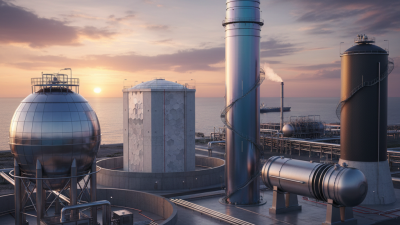
An lng cryogenic tank is more than a large insulated vessel. It stores natural gas after cooling it to about −162°C, when the gas becomes liquid and occupies far less space. The tank must preserve that extreme cold while handling changing pressure, product movement, and demanding operating conditions. Small details matter. A seal, sensor, or insulation layer can affect performance.
Saeid Mokhatab, editor of the technical reference Handbook of Liquefied Natural Gas, has written extensively about LNG engineering. The following line is an editorial paraphrase of the design principle, not a verified direct quotation: “A sound LNG tank design controls heat, pressure, and containment as one connected system.” That connection explains why engineers use specialized materials and layered insulation. Many large facilities also use double-wall or full-containment designs, with monitoring systems that help operators track temperature and pressure. The exact arrangement depends on the tank type and project requirements.
The basic idea is simple. The engineering is not. Still, no system is perfect. Even well-designed insulation cannot stop every trace of heat from entering, so some LNG naturally evaporates. Operators manage this boil-off gas as part of normal tank operation. Understanding that process makes the tank easier to picture: a carefully monitored, insulated structure, keeping a very cold liquid stable in a changing environment.
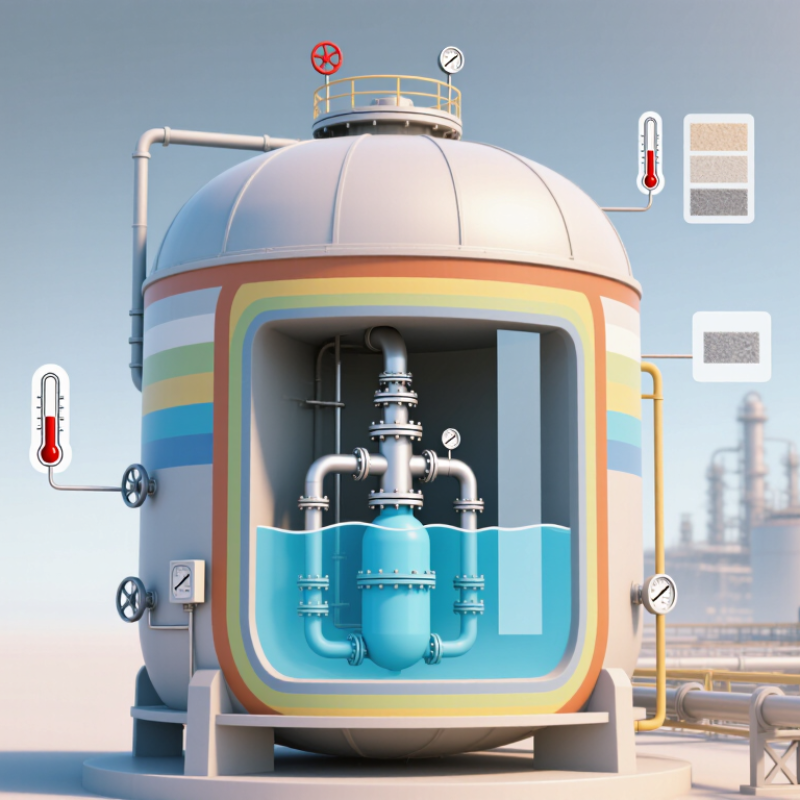
An LNG cryogenic tank stores natural gas after cooling turns it into a liquid. At about -162°C (-260°F), LNG takes up far less space than gas. The tank holds this extremely cold liquid; it does not create the cold itself. Many designs have an inner vessel, an outer shell, and insulation between them. That insulating space slows heat transfer from the surrounding air.
Not ordinary storage.
As LNG enters or leaves, pumps, valves, and level sensors help operators control its movement. Insulation cannot stop all heat from reaching the liquid. A small amount may warm and become boil-off gas, so operators monitor temperature and pressure. Tank designs and gas-handling arrangements vary by installation and purpose.
Details matter. Reliable readings help staff spot changes early.
Tips: Check inspection records, pressure and temperature indicators, and visible insulation for changes. New or spreading frost can warrant attention, but appearance alone cannot diagnose a fault. Never adjust valves or approach a suspected leak. Follow site procedures and contact trained personnel.
A small detail is easy to miss.
An LNG cryogenic tank is built to keep natural gas liquid near −162°C while limiting heat entering the vessel. Its inner tank holds the LNG and is made from materials selected to remain tough at very low temperatures, often stainless steel, aluminum, or nickel steel. The exact choice depends on the tank design and operating conditions.
The outer shell protects the inner vessel and helps contain insulation in the space between them. That annular space may use vacuum insulation, perlite, or layered insulating materials. Together, these reduce heat transfer. Still, insulation is never perfect. Small heat gains gradually cause some LNG to vaporize, so tanks include systems to manage boil-off gas.
Pipes and valves handle filling, withdrawal, and gas return. Pressure-relief devices help protect the vessel if pressure rises beyond its design range. Level, temperature, and pressure instruments give operators a view of changing conditions. Inside, supports hold the inner tank in position while allowing for contraction and expansion as temperatures shift. Details vary by tank type. A poorly placed support or damaged insulation can matter more than it first appears, so inspection and maintenance are essential parts of safe operation.
Typical LNG storage temperature compared with a reference ambient temperature
How the tank works: LNG is stored at about −162°C at near-atmospheric pressure. A cryogenic inner container holds the liquid, insulation limits heat transfer, and an outer container provides protection. Inner-container materials and outer-tank construction vary by tank design. The 20°C ambient value is an illustrative reference; actual conditions vary.
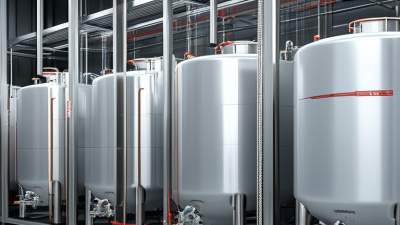
LNG is stored at about -162°C, so a tank must limit heat entering from the warmer surroundings. Its inner vessel holds the liquid, while insulation fills or separates layers around it. Depending on the tank design, this may include materials such as perlite or foam, sometimes paired with a vacuum. The goal is not to create perfect cold, but to slow heat transfer through conduction, convection, and radiation. Even a small gap or thermal bridge can matter over time.
Insulation buys time. It does not stop heat completely. As some LNG warms, it can vaporize into boil-off gas; tank systems are designed to manage that gas safely. Operators may monitor pressure and temperature to spot changes, though readings need context rather than guesswork. A cold surface, frost, or unusual temperature pattern can be a clue, not a diagnosis. Maintenance matters too, because moisture or damaged insulation can reduce performance. The details are easy to overlook. Cryogenic insulation works quietly, and that is partly why its condition deserves careful attention.
| Topic | Typical Information | How It Works |
|---|---|---|
| What LNG is | Natural gas cooled until it becomes a liquid; it consists mainly of methane, with smaller amounts of other hydrocarbons and components. | Liquefaction greatly reduces the gas’s volume, making it practical to store and transport in insulated tanks. |
| Storage temperature | About −162 °C (−260 °F) at approximately atmospheric pressure; the exact boiling temperature depends on LNG composition and pressure. | The tank and its insulation limit heat entering the liquid so it can remain cryogenic. |
| Tank purpose | A purpose-designed, insulated vessel for storing or transporting LNG at cryogenic temperatures. | The inner containment holds the LNG, while the outer structure and insulation provide support, protection, and thermal resistance. |
| Common tank arrangements | Examples include membrane tanks, independent spherical tanks, and smaller cylindrical pressure vessels. | Designs differ in how the liquid is contained and supported, but each must accommodate cryogenic temperatures and control heat ingress. |
| Insulation materials | Depending on tank design, systems may use materials such as polyurethane foam, perlite, or cellular glass. | Low-conductivity materials slow heat transfer from the warmer surroundings toward the cold LNG. |
| Insulation layers | Some tank systems use multiple insulation layers, barriers, or interspaces; the configuration depends on the tank type. | Layered construction helps reduce heat flow and can provide secondary containment or monitoring functions where the design requires them. |
| Heat ingress | Heat can enter through the tank walls, roof, floor, supports, and connected piping. | Insulation reduces heat transfer, while careful design of joints and supports helps limit thermal bridges. |
| Boil-off gas | Some LNG naturally vaporizes as heat enters the tank; the resulting vapor is called boil-off gas. | Insulation reduces vapor generation but cannot eliminate it. Depending on the facility or vessel, boil-off gas may be used as fuel, reliquefied, or otherwise managed by the system. |
| Density and volume | LNG density is commonly around 430–470 kg/m³, varying with composition and temperature. | Its liquid form occupies far less volume than the same amount of natural gas at standard conditions. |
| Safety and monitoring | Systems are designed for cryogenic service and may monitor temperature, pressure, liquid level, and gas detection. | Monitoring and pressure-management equipment help operators identify abnormal conditions and manage vapor safely. |
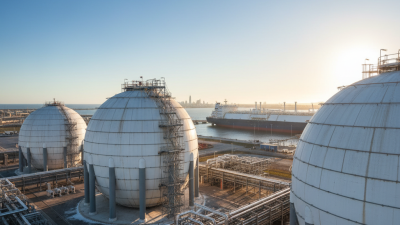
Liquefied natural gas is kept near -162°C in insulated tanks. The cold temperature turns natural gas into a compact liquid, making storage and shipping practical. Heat still enters. A tank’s insulation slows that heat flow; it cannot eliminate it. Many large onshore tanks use an insulated inner vessel and a protective outer structure.
During unloading, pumps move LNG from a carrier through insulated pipes into the storage tank. Boil-off gas forms as some LNG warms. Operators may send this gas to fuel systems, reliquefaction equipment, or other parts of the facility. For delivery, pumps move LNG through pipelines to vaporizers, where it returns to gas before entering a distribution network. Transfer rates and equipment depend on facility design.
Scale matters. GIIGNL’s 2024 Annual Report records 401.4 million tonnes of global LNG trade in 2023. That volume relies on carefully coordinated ship, tank, and pipeline operations. Yet a figure for global trade cannot tell us how a particular tank performs. Weather, insulation condition, and operating practice all affect heat gain and boil-off. That detail is easy to overlook.
An LNG cryogenic tank stores natural gas as a liquid at roughly -162°C. This extreme cold reduces its volume, making storage and transport more practical. The tank’s insulated walls slow heat transfer, but they cannot stop it completely. Some liquid gradually warms and becomes vapor, known as boil-off gas.
Safety systems manage both cold and pressure. Pressure-relief valves release excess pressure through designed vent paths. Gas detectors can alert operators to leaks, while emergency shutdown systems isolate equipment when readings become unsafe. Fire protection and containment barriers help limit the effects of an incident. Operators also monitor tank pressure, temperature, and liquid level. No single device is enough. Regular inspection and realistic emergency drills matter, too. A system may look reassuring on paper; drills can reveal awkward gaps.
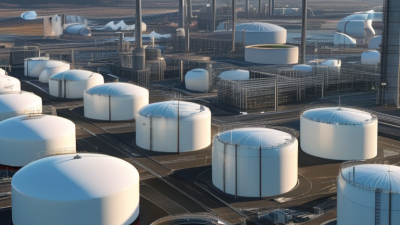
LNG tanks serve import and export terminals, power plants, industrial facilities, and some vehicle or marine fueling sites. Their role varies: a terminal may store large volumes, while a smaller installation supplies fuel to nearby equipment. Each site needs controls suited to its layout and operating conditions.
Tips: Keep access routes clear, check alarms and shutdown controls on schedule, and record unusual pressure or temperature changes. Never treat a quiet reading as proof that every component is working.