What Is Liquid Nitrogen Tank Storage?
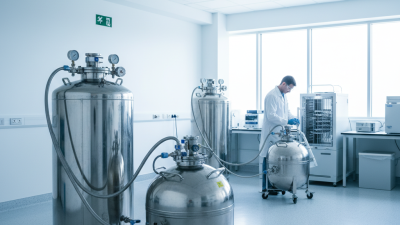
Liquid nitrogen tank storage refers to the controlled keeping of liquid nitrogen in specially designed, vacuum-insulated containers. These tanks preserve extremely low temperatures, often near -196°C, while limiting evaporation. They appear in laboratories, medical facilities, food research areas, and industrial settings. A typical tank may stand quietly in a corner, yet its pressure, temperature, and ventilation needs require constant attention.
Good storage begins with a tank matched to its capacity, usage pattern, and operating environment. Trained staff should inspect valves, seals, pressure-relief devices, and visible damage regularly. The storage area needs steady airflow, clear access, and warning signs. Oxygen monitors may be necessary because released nitrogen can displace breathable air without a strong smell. Small details matter. A blocked vent can create serious pressure concerns.
Reliable liquid nitrogen tank storage also depends on documented inspections and practical staff training. Experienced users understand that filling too quickly can cause splashing, cold burns, or equipment stress. They wear suitable face protection, insulated gloves, closed footwear, and protective clothing. Manufacturer instructions and local workplace requirements should guide every procedure.
Some facilities focus heavily on temperature readings. That is not enough. Tank condition, room ventilation, usage frequency, and emergency access deserve equal review. It is easy to assume that a large tank is automatically safer. That assumption is incomplete. Storage planning should be reviewed after equipment changes, room renovations, or unusual evaporation losses. Careful habits protect samples, equipment, and people. Mistakes still happen. The goal is to identify them early and improve the system continuously.
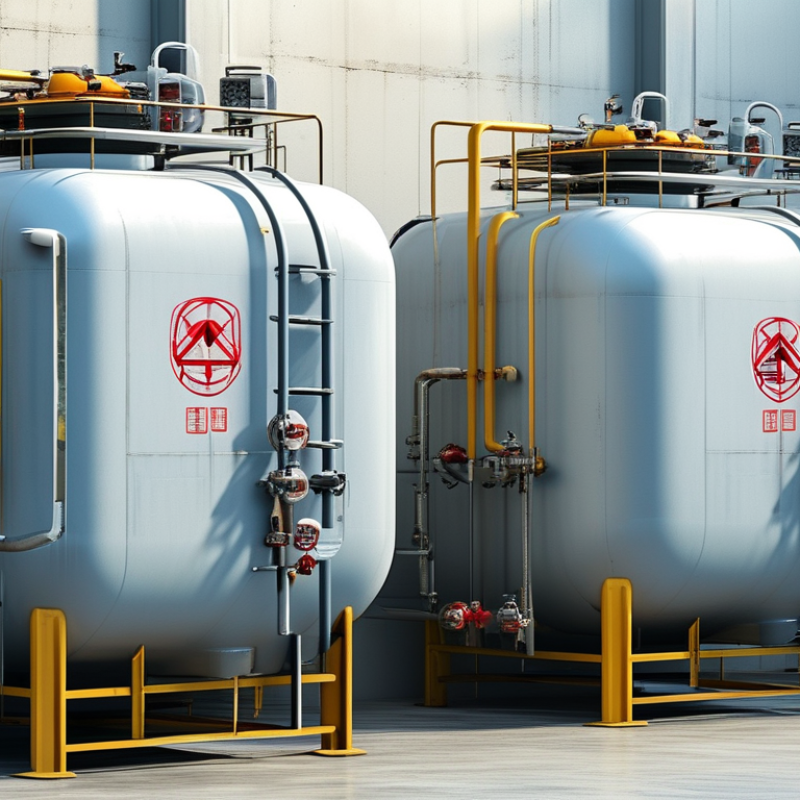
Definition and Purpose of Liquid Nitrogen Tank Storage
What Is Liquid Nitrogen Tank Storage?
Definition and Purpose of Liquid Nitrogen Tank Storage
Liquid nitrogen tank storage is a controlled method for keeping materials at extremely low temperatures. Liquid nitrogen remains near -196°C under normal atmospheric pressure. Specialized tanks use vacuum insulation to slow evaporation and protect stored contents. The purpose is to preserve biological samples, laboratory specimens, cells, tissues, and temperature-sensitive materials. Low temperatures reduce chemical reactions and biological activity. This helps maintain sample quality over extended periods.
In practical laboratory use, technicians check liquid levels, tank pressure, temperature records, and storage labels. Clear inventories reduce unnecessary lid opening and limit nitrogen loss. Ventilation also matters because evaporated nitrogen can displace oxygen in enclosed spaces. Trained personnel should use insulated gloves, face protection, and suitable handling tools. A tank may look normal while its insulation or valve slowly deteriorates. No storage routine is flawless. A gauge may appear stable, yet a small leak can increase evaporation. That assumption needs challenging. Regular inspections, documented maintenance, and calibrated alarms provide stronger evidence than appearance alone. Storage conditions should match the material’s sensitivity and the tank’s validated capacity. Overfilling creates risks, while excessive evaporation can expose samples to unstable temperatures. Good practice depends on careful observation, accurate records, and a willingness to question unexpected readings.
How Liquid Nitrogen Tanks Store and Preserve Cryogenic Materials
What Is Liquid Nitrogen Tank Storage?
Liquid nitrogen tank storage uses insulated vessels to preserve materials at cryogenic temperatures. These containers commonly maintain temperatures near -196°C. At this level, chemical reactions and biological activity slow dramatically. Cells, tissues, laboratory specimens, and other sensitive materials can remain stable for extended periods. Not airtight. Liquid nitrogen slowly boils as it absorbs heat from the surroundings. Pressure relief systems release excess gas and help prevent dangerous pressure buildup. Regular refilling is still necessary.
Inside the tank, racks, canisters, or suspended boxes keep samples organized and separated. Proper placement reduces retrieval time and limits unnecessary exposure to warm air. Technicians should record fill levels, storage locations, and inspection dates. A missing label can create serious confusion later. Temperature monitoring provides useful evidence, but liquid-level checks remain important because sensors may fail. Manual checks are not outdated when used carefully.
Safe operation requires ventilation, insulated gloves, face protection, and training. Rapid contact with liquid nitrogen can cause severe cold injuries. Evaporated nitrogen can also displace oxygen in a poorly ventilated room. Storage areas should therefore include oxygen monitoring and clear access routes. No tank is maintenance-free. Seals, valves, insulation, and relief devices need routine inspection. In practice, even experienced teams can overlook small ice buildup or a loose cap. That is why written procedures, calm handling, and honest review of mistakes matter.
Liquid nitrogen is stored at approximately −196°C at atmospheric pressure. Cryogenic tanks use vacuum-insulated walls to reduce heat transfer and slow evaporation. The comparison below shows the normal boiling points of selected cryogenic liquids at 1 atmosphere; lower values indicate that colder storage conditions are required.
Main Types of Liquid Nitrogen Storage Tanks
What Is Liquid Nitrogen Tank Storage?
Liquid nitrogen tank storage refers to equipment that keeps nitrogen at approximately -196°C. The tank limits heat transfer and controls pressure during storage. Even a small heat leak can increase evaporation and internal pressure.
Main Types of Liquid Nitrogen Storage Tanks
Small open-mouth dewars suit laboratories storing samples for short periods. They usually have a wide opening, lightweight body, and removable cover. Users can access vials quickly, but nitrogen evaporates faster after repeated opening. These containers need regular level checks and careful handling.
Pressurized storage tanks provide better insulation and controlled liquid delivery. Their vacuum jacket reduces heat entry, while valves regulate pressure and dispensing. They work well for frequent use in laboratories, clinics, and research facilities. Staff should inspect gauges, relief devices, hoses, and frost patterns before operation. Frost near an unexpected connection may indicate a problem.
Larger bulk tanks store substantial volumes for facilities with steady nitrogen demand. They connect to insulated transfer lines and may supply several work areas. Transportable cryogenic containers offer another option for moving limited quantities between approved locations. Each type requires ventilation, compatible materials, clear labeling, and trained operators.
A common planning mistake is choosing capacity by volume alone. Actual evaporation, access frequency, refill schedules, and emergency procedures matter equally. Storage tests should reflect real working conditions, not ideal ones. A tank that seems efficient on paper may become inconvenient during busy sample handling.
Safety Requirements for Handling and Maintaining Storage Tanks
What Is Liquid Nitrogen Tank Storage?
Safety Requirements for Handling and Maintaining Storage Tanks
Liquid nitrogen tank storage keeps cryogenic nitrogen at extremely low temperatures. These tanks depend on insulation and controlled pressure. During routine work, trained staff should keep each tank upright and firmly secured. Liquid nitrogen can rapidly become gas and displace oxygen in poorly ventilated rooms. This creates an invisible hazard. Use oxygen monitoring where ventilation may be limited. Wear a face shield, safety glasses, cryogenic gloves, a lab coat, long trousers, and closed shoes. Never touch cold metal with bare skin.
Inspect tanks before use. Look for unusual frost, dents, damaged hoses, leaking valves, or blocked pressure-relief devices. Frost on the outer wall may indicate insulation failure. Do not seal a tank or obstruct its vent. Pressure must escape safely. Only trained personnel should fill, transfer, or move a tank. Use a suitable cart and avoid sudden impacts. Keep storage areas clear, dry, and away from heat sources. Record inspections, repairs, and pressure concerns. Some routines deserve review; a checklist is helpful, but it cannot replace careful observation.
Tips: Keep the tank label visible. Check ventilation before handling. Move slowly. If pressure rises unexpectedly, stop work, leave the area, and contact qualified safety personnel. Never improvise repairs. A small warning sign today may prevent a serious failure tomorrow.