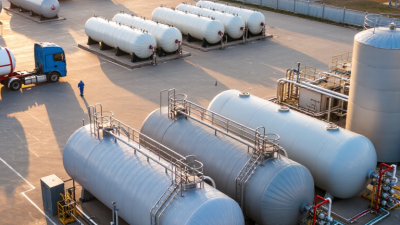
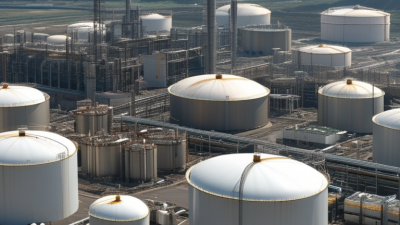
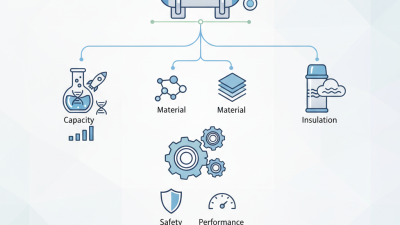
Choosing cryogenic bulk storage tanks in 2026 requires more than comparing vessel volume or purchase price. The right choice protects product quality, workers, nearby equipment, and long-term operating budgets. In practice, selection begins with the stored gas, usable capacity, filling frequency, pressure range, ambient conditions, and delivery access. Liquid nitrogen for a laboratory does not create the same demands as oxygen for a manufacturing plant.
Small details matter. A tank beside a loading bay may face vehicle impact, vibration, and changing weather. A narrow valve cabinet can turn routine maintenance into an awkward, risky task. Ask suppliers for heat-leak data, pressure-control performance, insulation type, relief-device arrangements, foundation loads, and inspection records. Request references from facilities with similar throughput, not only attractive brochures.
Safety evidence should guide every decision. Confirm compatibility with the selected cryogen, materials, instrumentation, and site ventilation. Review applicable editions of ASME Section VIII, EN 13458, NFPA 55, CGA guidance, and local requirements with qualified engineers and authorities. Standards and codes can change. So can production needs. No checklist is perfect.
A dependable evaluation also includes lifecycle service. Compare commissioning support, spare-part availability, remote monitoring, emergency response, warranty limits, and technician training. Calculate total cost across ten years, including losses, inspections, electricity, downtime, and eventual replacement. Do not assume the largest tank is the best tank. A modest, well-maintained system may outperform an oversized vessel with poor access. The final decision should be documented, reviewed by competent professionals, and tested against realistic demand scenarios before purchase. Mistakes are expensive, but hurried certainty is often more expensive.
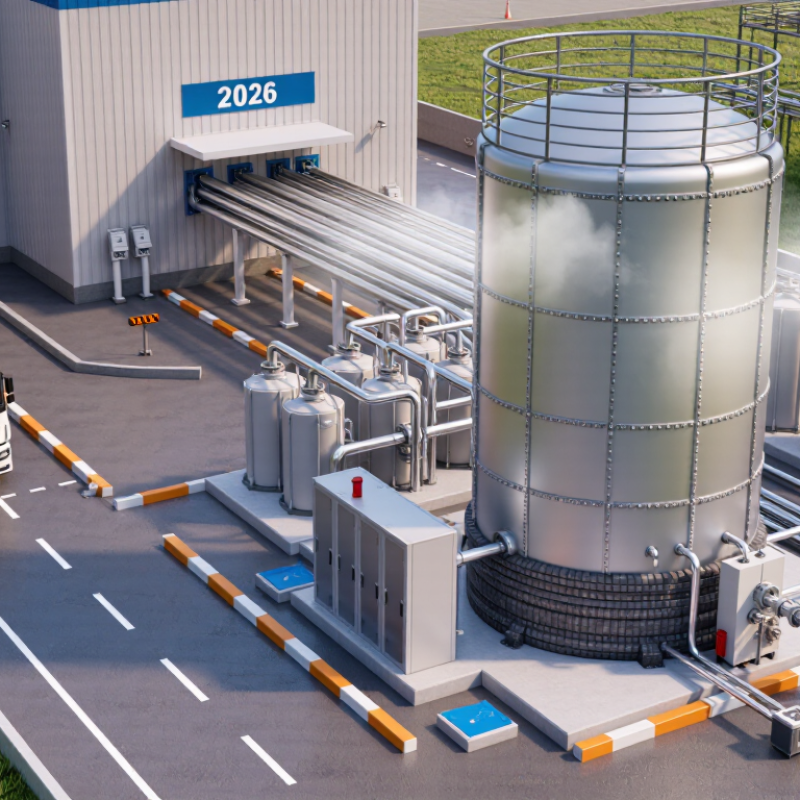
Before selecting a cryogenic bulk storage tank, define the actual gas demand. Record daily consumption, peak usage, delivery intervals, and expected production growth. A tank sized only for average demand may empty during a weekend surge. A tank sized too generously may create unnecessary capital and maintenance costs.
Identify the stored fluid and its required purity. Oxygen, nitrogen, argon, and other gases have different compatibility and safety requirements. Confirm operating pressure, filling temperature, usable capacity, and allowable working range. Keep a reserve for delivery delays. Small details matter. A 20-minute supply interruption can affect an entire production line.
Examine the installation area in person. Measure access roads, crane clearance, foundation space, ventilation, and emergency routes. Check whether nearby equipment could create heat, impact, or ignition hazards. Relief devices must discharge safely, and oxygen-deficient areas need suitable monitoring. Follow applicable pressure-vessel, fire-safety, and workplace requirements. Experienced operators should review the layout before purchase. A spreadsheet helps, but it cannot reveal every site problem. I have seen projects underestimate venting noise and vehicle access. Those oversights are expensive to correct. Record inspection duties, alarm responses, and maintenance intervals clearly before commissioning.
Define the cryogenic fluid and its operating conditions before selecting tank volume, insulation, materials, pressure rating, and pressure-relief equipment. The chart shows normal boiling points at approximately 1 atm, which helps establish the minimum thermal performance required from the storage system.
Reference values: normal boiling points at 1 atm. Actual tank design must also consider working pressure, filling ratio, daily withdrawal rate, ambient heat leak, site altitude, applicable codes, and required hold time.
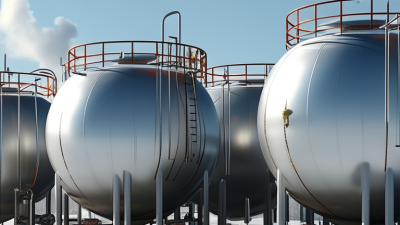
Choosing a cryogenic bulk storage tank in 2026 starts with service conditions, not catalog size. Define the fluid, purity, operating pressure, refill frequency, and site temperature. Vertical tanks suit limited footprints and steady demand. Horizontal tanks can simplify transport and installation on constrained sites. Both designs have trade-offs. A compact footprint may increase height, inspection access, or foundation demands.
Material selection affects durability and contamination control. Stainless steel is common for clean cryogenic service because it maintains toughness at low temperatures. Carbon steel may suit outer jackets or support structures, but only after qualified engineering review. Aluminum can reduce weight, yet its strength and fabrication requirements need careful checking. Capacity should cover peak consumption, delivery delays, and usable reserve. Average demand alone is unreliable. Oversizing wastes capital and may increase holding losses. Undersizing creates frequent deliveries.
Insulation systems deserve equal attention. Vacuum-jacketed construction usually reduces heat transfer, while multilayer insulation can improve performance inside the evacuated space. Perlite or foam systems may fit different maintenance and cost targets. Request documented thermal performance, relief-device sizing, vacuum monitoring, and inspection access. Small details matter. Published loss rates can differ from field results after years of cycling. I would challenge optimistic figures and model seasonal demand before approving the design. Operators must be able to monitor, maintain, and safely refill the selected tank under actual site conditions.
| Tank Type | Typical Cryogenic Service | Nominal Capacity Range | Typical Operating Temperature | Typical Design Pressure | Primary Material Selection | Insulation System | Typical Static Evaporation Range | Main Advantages | Typical Limitations | Best-Fit Application |
|---|---|---|---|---|---|---|---|---|---|---|
| Vertical Vacuum-Insulated Pressure Tank | Liquid nitrogen, oxygen, argon, and other liquefied industrial gases | 5–100 m³ | Approximately −196°C to −183°C for nitrogen, oxygen, and argon | 16–37 bar(g), depending on design and service | Inner vessel: austenitic stainless steel; outer jacket: carbon steel or stainless steel | Double-wall construction with high vacuum, multilayer insulation, or perlite insulation | Approximately 0.1–0.5% of liquid volume per day | Small footprint, strong thermal performance, clean installation, and broad pressure flexibility | Requires vacuum monitoring, pressure-relief protection, and adequate vertical clearance | Hospitals, laboratories, semiconductor facilities, food processing, and general industrial gas supply |
| Horizontal Vacuum-Insulated Pressure Tank | Liquid nitrogen, oxygen, argon, carbon dioxide, and selected liquefied gases | 10–120 m³ | Approximately −196°C to −20°C, depending on the stored product | 16–37 bar(g), subject to product and code requirements | Inner vessel: stainless steel; outer shell: carbon steel or stainless steel | High-vacuum annular space with perlite or multilayer insulation | Approximately 0.1–0.6% of liquid volume per day | Easy foundation layout, convenient tanker connection, and suitable for medium-to-large liquid inventories | Uses more ground area than a vertical tank and may require vehicle-impact protection | Industrial gas depots, manufacturing plants, and sites with limited overhead clearance |
| Large Flat-Bottom Atmospheric Tank | Large-volume liquid nitrogen, oxygen, or argon storage | 100–5,000+ m³ | Approximately −196°C to −183°C | Near atmospheric pressure; commonly operated at a few millibars above atmospheric pressure | Inner tank: stainless steel or nickel-containing cryogenic steel; outer tank: carbon steel or concrete-supported structure | Perlite-filled annular insulation, expanded perlite, or other engineered low-temperature insulation systems | Approximately 0.05–0.2% of liquid volume per day when properly designed | Lowest unit storage cost at very large capacities and efficient long-term storage | High capital cost, large site area, complex foundation work, and atmospheric-pressure operation | Air-separation plants, major hospitals, steelmaking, chemical production, and large distribution terminals |
| Foam-Insulated Low-Pressure Tank | Liquid carbon dioxide and selected low-pressure cryogenic or refrigerated liquids | 20–500 m³ | Typically about −40°C to −20°C for liquid carbon dioxide service | Commonly 20–25 bar(g), depending on product and operating conditions | Carbon steel or stainless steel pressure vessel, selected according to temperature and code requirements | Rigid polyurethane foam or polyisocyanurate insulation with protective weather cladding | Approximately 0.2–1.0% of liquid volume per day | Practical for moderate-pressure storage and generally simpler than a full vacuum-jacketed system | Higher heat leak than high-vacuum systems and greater sensitivity to moisture or cladding damage | Food and beverage plants, water treatment, welding gas supply, and process applications using carbon dioxide |
| Microbulk Storage Tank | Liquid nitrogen, oxygen, argon, or carbon dioxide for decentralized supply | 1–10 m³ | Product-dependent; approximately −196°C to −20°C | Typically 10–25 bar(g) | Inner vessel: stainless steel; outer jacket: carbon steel or stainless steel | Vacuum-jacketed construction with multilayer or powder insulation | Approximately 0.2–0.8% of liquid volume per day | Automated filling, reduced cylinder handling, compact footprint, and convenient on-site distribution | Limited inventory compared with full-size bulk tanks and higher cost per stored cubic metre | Medical facilities, laboratories, hospitality operations, small manufacturers, and food processing sites |
| Transportable ISO Cryogenic Tank | Liquid nitrogen, oxygen, argon, carbon dioxide, LNG, and other regulated cryogenic products | 20–45 m³ per container, depending on design | Approximately −196°C to −20°C, product-dependent | Typically 7–25 bar(g), depending on cargo and transport regulations | Inner vessel: stainless steel or approved low-temperature alloy; outer frame: structural carbon steel | Vacuum-perlite or vacuum-multilayer insulation | Approximately 0.1–0.5% of liquid volume per day | Intermodal transport, standardized dimensions, and flexible temporary or remote storage | Lower usable capacity than permanent tanks of similar footprint and subject to transport regulations | Bulk distribution, remote projects, emergency supply, and temporary site installations |
| Vacuum-Insulated LNG Storage Tank | Liquefied natural gas | 20–1,000 m³ for packaged or site-scale systems | Approximately −162°C | Typically 3–10 bar(g), with design pressure determined by tank configuration | Inner vessel: austenitic stainless steel or nickel-containing cryogenic steel; outer shell: carbon steel | Double-wall vacuum insulation using perlite, multilayer insulation, or a combined system | Approximately 0.1–0.5% of liquid volume per day | Low heat leak, compact installation, and suitability for fueling or distributed-energy systems | Requires strict gas detection, hazardous-area design, pressure management, and emergency isolation | LNG vehicle fueling, marine fueling, peak-shaving systems, and off-grid or backup energy supply |
Engineering note: The values shown are representative planning ranges rather than guaranteed equipment ratings. Final tank selection should be verified against the stored fluid, required hold time, filling frequency, ambient conditions, seismic and wind loads, applicable pressure-vessel regulations, fire-safety requirements, and the manufacturer’s certified design data.
How to Choose Cryogenic Bulk Storage Tanks in 2026?
Safety and compliance should guide every tank decision, not only purchase price. Start with the stored gas, operating pressure, fill frequency, and installation environment. ASME Boiler and Pressure Vessel Code Section VIII supports vessel design and pressure integrity. NFPA 55 addresses compressed and cryogenic gases, including separation, ventilation, and emergency controls.
Oxygen monitoring is essential in enclosed areas. OSHA defines an oxygen-deficient atmosphere as below 19.5% oxygen. Levels above 23.5% create an oxygen-enriched condition and increase fire risk. Select tanks with correctly sized pressure-relief devices, vacuum protection, readable gauges, and remote shutoff capability. Confirm inspection records, material certificates, weld documentation, and relief-valve testing. ISO 21009-1 also provides useful guidance for stationary cryogenic vessels. These documents matter, but local fire codes may add stricter requirements. A checklist can still miss poor drainage or blocked access.
Tips: Ask for the latest design calculations and compliance certificates. Inspect pipe supports, frost patterns, warning labels, and emergency routes onsite. Treat unusual icing as a possible insulation or valve problem, not normal appearance. Schedule oxygen-monitor calibration and relief-device testing according to the manufacturer’s instructions and local authority requirements. Review the tank after real operating cycles; laboratory assumptions do not always match winter loading, frequent deliveries, or changing demand.
Installation begins with the site, not the tank catalogue. Measure delivery access, foundation capacity, ventilation, and separation from ignition sources. A full tank can impose substantial loads on concrete and anchoring systems. Confirm connections, pressure relief routing, and emergency access with a qualified engineer. Local codes and permitting requirements must guide the final layout. Field reviews often uncover blocked service paths or inadequate drainage. Small oversights become expensive corrections.
Maintenance planning should be part of the purchase decision. Ask how technicians will inspect valves, vacuum insulation, gauges, supports, and relief devices. Require clear service intervals and accessible replacement parts. Track pressure trends and product loss, not only visible damage. Rising evaporation may indicate insulation deterioration or a faulty valve. Lifecycle cost includes energy, inspections, downtime, training, and eventual disposal. A cheaper tank may perform poorly over ten years. That assumption deserves testing.
Tips: Request a lifecycle estimate with three usage scenarios. Check the supplier’s inspection records and technical credentials. Photograph the installation before commissioning. Keep a simple maintenance log. Do not ignore minor frost patterns. They can signal larger problems. Review the plan annually, because operating conditions change. Even careful projections can be wrong when demand fluctuates.
Choosing cryogenic bulk storage tanks in 2026 requires more than comparing capacity and price. A reliable supplier should explain materials, insulation performance, pressure ratings, and testing records clearly. Ask for traceable certificates, documented weld inspections, and evidence of compliance with applicable pressure-vessel standards. Experience matters here. A tank may look excellent on delivery, yet poor valve access can complicate daily transfers. Request drawings, maintenance intervals, and realistic installation requirements before signing.
Support should continue after commissioning. Confirm response times, spare-parts availability, technician training, and emergency procedures. Ask whether remote monitoring can track pressure, temperature, and fill level without creating confusing data. Good suppliers discuss operating risks honestly, including product loss during venting and performance changes in harsh weather. They should also offer capacity planning. Your demand may double, or it may not. Flexible piping connections, modular equipment, and compatible controls can reduce future replacement costs. I have seen expansion plans fail because the original tank was isolated from later equipment.
Tips: Compare lifecycle cost, not only purchase price. Visit a working installation if possible. Speak with current operators, not only sales staff. Check calibration records and inspection schedules. Leave room for imperfect assumptions. Forecasts change, and a conservative expansion path is often safer than an oversized tank.