Blog

2026 Best CO2 Cryogenic Tank Types for Buyers

Choosing the right co2 cryogenic tank in 2026 requires more than comparing capacity and purchase price. Buyers must examine insulation, working pressure, material quality, valve protection, transport conditions, and service access. A polished specification sheet can still hide practical weaknesses.

Cryogenic engineer John Weisend offers a useful reminder: “The vessel is only one part of the cryogenic system.” That principle matters when evaluating horizontal tanks, vertical storage tanks, microbulk units, and transportable containers. Each type serves different operating patterns. A beverage plant may need fast filling and stable pressure control. A laboratory may value compact dimensions and precise withdrawal. A distribution center may prioritize durable insulation and easy inspection.

Details become important.

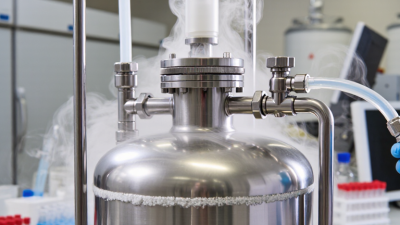
Look closely at the tank’s vacuum performance, relief-device arrangement, foundation requirements, and compatible CO2 fittings. Check how operators will read the level gauge while wearing protective gloves. Consider whether frost appears around a valve after repeated filling. That small detail may signal heat transfer, moisture intrusion, or maintenance trouble.

This guide compares the leading co2 cryogenic tank types for buyers planning 2026 investments. It connects technical specifications with daily use, installation limits, safety procedures, and lifecycle costs. The comparison is not perfect. Supplier data may use different test conditions, and real performance changes with climate, filling frequency, and maintenance quality. Buyers should verify every critical figure with qualified engineers and manufacturers before selecting a tank. Safety must remain practical, documented, and visible.
2026 Best CO2 Cryogenic Tank Types for Buyers

CO₂ Storage Fundamentals: Triple Point at 5.18 bar and −56.6°C

2026 Best CO2 Cryogenic Tank Types for Buyers

CO₂ tank selection starts with its phase behavior, not its advertised capacity.

The NIST Chemistry WebBook reports carbon dioxide’s triple point at 216.592 K and 0.518 MPa—about −56.6°C and 5.18 bar.

At this precise point, solid, liquid, and vapor can coexist. A small shift in temperature or pressure changes the stable phase. That matters in real equipment, where sensors, piping, and heat leaks create local variations.

Below the triple-point pressure, liquid CO₂ cannot remain stable; it tends to form gas and dry ice. Above it, liquid storage is possible within an appropriate operating range.

ASHRAE’s Handbook—Refrigeration provides property data used in refrigeration system design, including CO₂ pressure-temperature behavior. Buyers should compare intended storage pressure, temperature control, insulation, relief protection, and withdrawal rate—not just vessel volume.

A refrigerated low-pressure tank and a higher-pressure vessel serve different operating conditions. They are not simple substitutes.

Numbers deserve a second look. The triple point is a thermodynamic reference, not a recommended tank setpoint.

Actual design conditions depend on the application and certified engineering limits. Ask for operating envelopes, heat-ingress assumptions, and inspection records.

A gauge reading alone can mislead. Even a well-specified tank may behave differently during filling, shutdown, or rapid drawdown. That practical detail is easy to overlook.

Refrigerated Bulk Tanks: Compare Designs Operating Near −20°C to −30°C

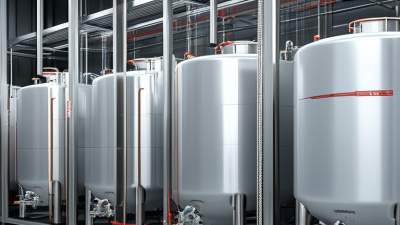
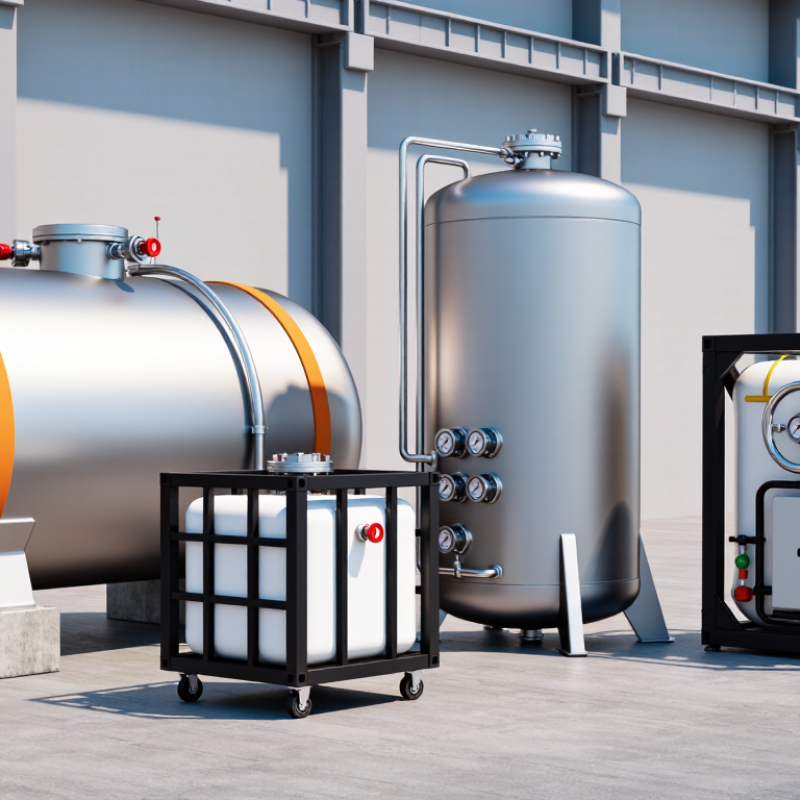
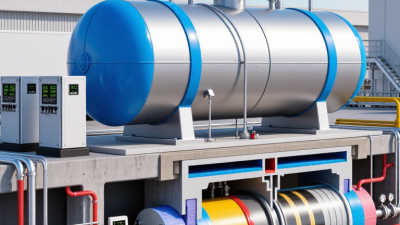
Refrigerated bulk tanks for liquid CO2 commonly operate near −20°C to −30°C. At these temperatures, pressure remains manageable while the liquid stays ready for controlled delivery. A horizontal vacuum-insulated tank suits facilities with limited height and steady consumption. Its double-wall construction reduces heat gain, but damaged insulation can increase pressure quickly.

Vertical tanks use less ground space and may simplify expansion planning. They often fit sites with narrow foundations but require careful lifting and anchoring. Foam-insulated designs can cost less initially, while vacuum-insulated designs usually provide stronger thermal performance. The choice depends on storage volume, installation access, inspection routines, and local climate.

Pressure control deserves close attention. A relief system, pressure-building circuit, and reliable level gauge should work together. Operators should check vent lines for ice, inspect gauges during unloading, and record pressure changes over time. Small temperature increases may create noticeable pressure growth. A tank that looks oversized on paper may still struggle during frequent deliveries. This is where simple calculations can mislead. Real demand patterns matter more than an average monthly figure. Maintenance access also matters, although buyers sometimes notice it too late. Controls should remain readable in cold, damp conditions, with alarms tested under realistic operating procedures.

2026 Best CO2 Cryogenic Tank Types for Buyers - Refrigerated Bulk Tanks: Compare Designs Operating Near −20°C to −30°C

Comparison of common refrigerated bulk-storage configurations and operating conditions. CO2 saturation pressures below are approximate absolute pressures for pure carbon dioxide; they are not vessel design pressures.

Tank type / configuration Typical application Temperature and approximate CO2 saturation pressure Advantages Buyer considerations
Horizontal cylindrical insulated pressure tank Common choice for fixed-site refrigerated bulk storage, including industrial and food-process supply. Can be configured for a specified refrigerated operating range. At −20°C, pure CO2 saturation pressure is approximately 19.7 bar(a); at −30°C, approximately 14.3 bar(a). Familiar pressure-vessel geometry; comparatively straightforward support, access, and installation. Check foundation loads, site footprint, insulation and refrigeration scope, relief-device settings, and the supplier’s allowable operating range.
Vertical cylindrical insulated pressure tank Fixed installations where ground footprint is restricted and adequate height and foundation capacity are available. Operating temperature and equilibrium pressure depend on the selected refrigeration set point; the same approximate CO2 saturation values apply at −20°C and −30°C. Uses less ground area than a comparable horizontal arrangement and can suit compact plant layouts. Assess wind and seismic loads, anchoring, access at height, maintenance clearances, and the cost of a suitable supporting foundation.
Spherical insulated pressure vessel Specialized large-capacity storage projects; less typical than cylindrical vessels for many packaged bulk CO2 installations. Requires project-specific thermal and pressure design. Approximate pure-CO2 saturation pressure is 19.7 bar(a) at −20°C and 14.3 bar(a) at −30°C. Spherical geometry can be considered for large vessels where site layout and structural design support it. Compare total installed cost, fabrication and inspection requirements, support structure, insulation details, and availability of qualified maintenance services.
Multiple horizontal tanks in a modular arrangement Sites that need staged capacity, operational flexibility, or separate storage trains. Each vessel’s temperature and pressure must be controlled within its specified operating envelope; saturation pressure is temperature-dependent. Capacity can be added in stages, and individual vessels may be isolated for inspection or maintenance. Review piping and valve complexity, control-system design, isolation strategy, simultaneous refrigeration demand, and the combined footprint.
Operating-point reference Useful for comparing proposed refrigerated operating conditions—not a tank selection by itself. −20°C: about 19.7 bar(a) (18.7 bar(g) at standard atmospheric pressure).
−30°C: about 14.3 bar(a) (13.3 bar(g) at standard atmospheric pressure).
Lower temperature corresponds to lower CO2 saturation pressure, which can influence refrigeration and pressure-control requirements. Confirm normal and maximum operating conditions, design pressure, relief protection, and applicable pressure-vessel rules with the tank designer. Do not use saturation pressure as design pressure.

Notes: bar(a) means absolute pressure; bar(g) means gauge pressure. Actual operating limits and design pressure depend on the vessel specification, CO2 composition, controls, applicable regulations, and the manufacturer’s engineering documents.

Pressurized CO₂ Vessels: Assess 15–25 bar Storage Options

For buyers comparing 2026 CO2 cryogenic tank types, pressurized vessels operating between 15 and 25 bar deserve careful attention. These tanks usually store refrigerated liquid CO2, not gas at ambient temperature. NIST data lists CO2’s triple point at 5.18 bar and -56.6°C, while its critical point reaches 73.8 bar and 31.1°C. Temperature control remains essential.

A vacuum-insulated vertical tank often suits facilities with limited floor space and steady demand. Horizontal vessels can simplify transport, inspection access, and installation on lower platforms. At 20 bar, the liquid temperature is approximately -20°C, depending on purity and measurement conditions. That pressure is practical, but not automatically optimal. A failed relief valve or weak vacuum can raise pressure quickly.

ASHRAE Handbook guidance emphasizes insulation performance, pressure relief, and controlled filling for refrigerated CO2 systems. Industry safety documents also recommend accounting for thermal expansion, vapor-space management, and pressure cycling. Buyers should request vessel design pressure, allowable filling ratio, insulation vacuum data, and relief-device capacity. Ask for real test records.

A 25 bar setting may support warmer operating conditions, but it reduces the margin before relief activation. A 15 bar design may lower stress, yet it can demand colder storage. The best choice depends on withdrawal rate, delivery frequency, ambient temperature, and site altitude. Small tanks are not always simpler. That assumption needs checking.

Vacuum-Insulated Tanks: Evaluate Heat Ingress and Boil-Off Control

2026 Best CO2 Cryogenic Tank Types for Buyers

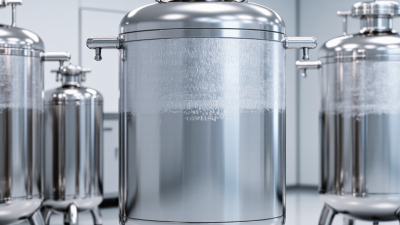
Vacuum-insulated tanks reduce heat transfer, but they cannot eliminate it. Warm air, direct sun on exposed pipework, and heat bridges at supports all matter. Heat entering the vessel gradually vaporizes liquid CO2 and can increase pressure. A damaged vacuum space may raise heat ingress, though the change is not always obvious at first. Check trends, not just single readings. Small details count.

Tips: Ask for the tank’s stated heat-leak rate and boil-off estimate, with test conditions clearly defined. Compare these figures at your expected fill level and operating temperature. Record pressure and liquid level regularly. A simple log can reveal a gradual change that one inspection might miss.

For buyers, compare insulation performance alongside usable capacity, design pressure, and pressure-control provisions. Review how the vessel performs during realistic storage periods, including warm weather and frequent transfers. Piping and valves deserve attention too; poor insulation outside the tank can add avoidable vaporization. Confirm monitoring and relief arrangements suit the installation and are assessed by qualified professionals. I would not rely on a single “low boil-off” claim without its assumptions. Real operating conditions can differ, sometimes more than expected.

Buyer Selection: Match Tank Capacity, Pressure Rating, and Relief Protection

2026 Best CO2 Cryogenic Tank Types for Buyers

Choosing a CO2 cryogenic tank starts with capacity, not appearance. NIST thermophysical data show that one liquid volume can expand to roughly 500 gas volumes. A small sizing error can therefore create major supply interruptions. Match tank capacity to measured daily consumption, delivery intervals, and reserve requirements. Include vaporization demand during peak production. A tank that looks sufficient on paper may struggle during a cold morning startup.

Pressure rating needs equal attention. Confirm normal operating pressure, filling pressure, ambient heat input, and the maximum allowable working pressure. EN 13458-2 provides design guidance for vacuum-insulated cryogenic vessels. CGA G-6.1 addresses liquid carbon dioxide storage and operating safeguards. These references support documented engineering decisions, not guesswork. Do not select a higher rating blindly. It can increase cost, weight, and inspection complexity without solving poor sizing.

Relief protection must match the tank and its installation. NFPA 55 requires pressure relief protection for cryogenic containers and addresses safe discharge arrangements. Use correctly sized relief devices, suitable vent piping, and clear discharge locations. Relief valves should never be isolated accidentally. A pressure gauge alone is not protection.

The uncomfortable truth: many buyer comparisons focus on capacity while ignoring heat leak and relief-flow calculations. Review those calculations with a qualified engineer.

Recheck the design after changing delivery frequency or operating temperature. Conditions change. Your original assumptions may be wrong.