Blog

Top 2026 Liquid Nitrogen Dewar Guide for Global Buyers?

Liquid nitrogen dewars play a pivotal role in various industries. The demand for efficient storage solutions is increasing. According to a recent market report, the liquid nitrogen storage equipment market is expected to grow significantly, driven by advancements in technology and rising applications across sectors like pharmaceuticals, food preservation, and industrial processes.

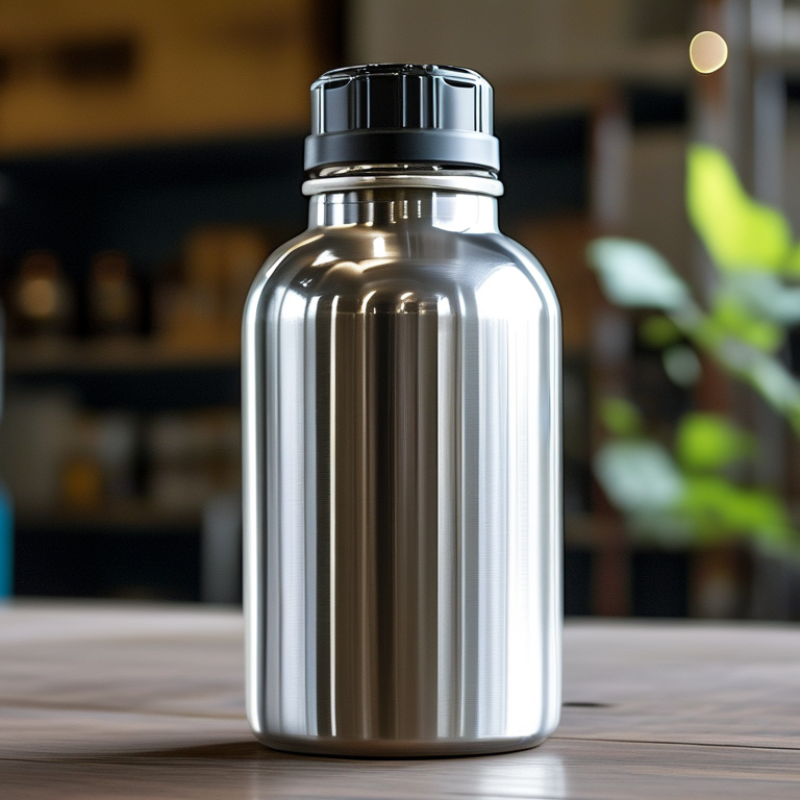
The 20L liquid nitrogen dewar stands out in many settings. It offers a reliable capacity for both commercial and laboratory use. This specific size allows for optimal portability while maintaining ample storage. However, buyers should consider insulation efficiency and material strength to prevent nitrogen evaporation and ensure safety. Quality varies widely among manufacturers, making it essential to conduct proper research.

Understanding the diverse needs within the market could be challenging. Buyers may overlook important specifications, leading to improper usage. Selecting the right dewar requires considering factors beyond just volume. Experts suggest prioritizing durability and design quality. Reflecting on these aspects can prevent costly mistakes. As the industry evolves, staying informed is key to making educated purchases.
Top 2026 Liquid Nitrogen Dewar Guide for Global Buyers?

Understanding Liquid Nitrogen Dewars: What Buyers Should Know

When considering liquid nitrogen dewars, understanding their specifications and applications is crucial for buyers. These containers are integral in a variety of fields, including healthcare, research, and industry. A study from the Global Cryogenic Equipment Market reported that the market is expected to grow at a compound annual growth rate (CAGR) of 6.5% through 2026. This growth highlights the increasing demand for efficient storage solutions.

Dewars are designed to maintain low temperatures, which is essential for the preservation of biological samples and cryogenic fluids. Typically, they come in various sizes, with capacities ranging from 1 liter to several hundred liters. However, not all dewars are created equal. Potential buyers need to evaluate factors such as insulation efficiency, pressure relief systems, and portability. An important consideration is that improper handling of dewars can lead to potential safety hazards.

Investing in a reliable dewar is key. Buyers should seek documentation proving the product's thermal performance and safety certifications. Consulting experts in cryogenic technologies may provide insights into real-world usage and durability. Data from industry reports suggest that many companies overlook these evaluations, leading to suboptimal purchases. Therefore, thorough research is not just recommended; it is necessary for informed decision-making.
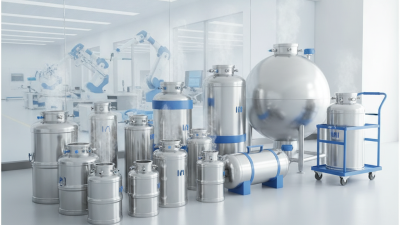
Key Features to Consider When Choosing a Liquid Nitrogen Dewar

When selecting a liquid nitrogen Dewar, several key features deserve careful consideration. The size capacity is crucial. Choose one based on your storage needs. A smaller Dewar is easier to handle but may not hold enough liquid for larger applications. Conversely, a larger Dewar can be cumbersome and difficult to transport. Balance your requirements with practicality.

Insulation quality is another essential aspect. Dewars utilize vacuum insulation to maintain low temperatures. Look for models with double-walled construction. This design minimizes heat transfer. Evaluate the material. Stainless steel offers durability and corrosion resistance, enhancing longevity. Lastly, check for safety features like pressure relief valves. Such features can prevent dangerous situations.

Portability could be a factor as well. Consider whether you’ll need to move the Dewar frequently. Wheels or carrying handles can add convenience. Weight is also a consideration; lighter models are easier to maneuver. Ensure that the design allows for easy pouring and refilling. Functional spouts can make usage smoother. The choice of a liquid nitrogen Dewar should meet both your performance needs and safety standards.

Top 2026 Liquid Nitrogen Dewar Guide

Comparative Analysis of Popular Liquid Nitrogen Dewars in 2026

When selecting a liquid nitrogen dewar in 2026, buyers must consider several key factors. The primary features include insulation efficiency, capacity, and overall weight. Different models vary significantly in performance. Some may provide optimal insulation, while others are more portable but less efficient.

Tips: Always check the dewar’s vacuum seal. A good seal is essential for maintaining the low temperatures necessary for liquid nitrogen storage.

Capacity is another critical aspect. Smaller dewars are suitable for personal or academic use, while larger ones cater to industrial applications. It's not uncommon for users to underestimate the amount they need. Buying too small could result in frequent replenishments.

Tips: Assess your requirements carefully. Overthinking can lead to inadequate choices. Compare the weight and ease of transport, especially if mobility is crucial for your tasks.

Customization options may also be available in certain models. This allows for tweaks that fit specific needs. However, it’s essential to verify the reliability and after-sales service of the suppliers. Inadequate support can turn out to be a frustrating experience later on.

Top 2026 Liquid Nitrogen Dewar Guide for Global Buyers

Model Capacity (Liters) Weight (kg) Insulation Type Price (USD) Use Case
Standard Dewar 30 12 Vacuum Insulated 350 Laboratory Use
Portable Dewar 20 8 Foam Insulated 250 Field Research
High Capacity Dewar 50 15 Multi-layer Insulation 500 Cryobiology
Mini Dewar 10 5 Vacuum Insulated 200 Small-scale Applications

Cost Considerations for Liquid Nitrogen Dewars: Pricing and Budget Tips

When considering the purchase of a liquid nitrogen dewar, cost is a key factor. Dewars are essential for safely storing liquid nitrogen, but their prices can vary widely. Basic models may start around a few hundred dollars, while advanced versions can exceed several thousand. Understanding your needs can help you find an optimal balance between cost and performance.

Budgeting for a dewar also involves additional costs. Think about the maintenance and operation costs. Accessories, such as transfer hoses and safety equipment, should be included in your budget. Sometimes, the cheapest option may end up costing more in the long run due to higher maintenance or energy needs. It’s crucial to assess the total cost of ownership.

You might encounter issues during your search. For example, finding the right size can be tricky. A too-small dewar may require frequent refills. However, larger models can be cumbersome and harder to maneuver. Weighing the pros and cons of size and features needs careful thought. Take the time to research and reflect on your specific requirements, ensuring a well-informed decision.

Maintenance and Safety Tips for Liquid Nitrogen Dewar Users

Liquid nitrogen dewars are essential tools in various industries, from medical research to food preservation. Proper maintenance is crucial for ensuring safety and reliability. According to industry experts, about 40% of accidents involving dewars result from improper handling. Regular inspection and maintenance can significantly reduce these risks.

Users should always check for signs of wear or damage. Valve leaks can lead to dangerous situations, as liquid nitrogen expands rapidly when exposed to warmer air. Maintaining proper ventilation in storage areas is vital. As of recent reports, inadequate ventilation contributes to 30% of nitrogen exposure incidents. Always use gloves and safety goggles when handling dewars to avoid skin contact with cryogenic materials.

Training staff in safety protocols is another key aspect. The National Institute for Occupational Safety and Health recommends providing hands-on training for liquid nitrogen handling. Despite its significance, many facilities lack comprehensive safety training. Industry studies reveal that organized training can cut accident rates by nearly 25%. Engaging with professionals and ensuring everyone understands safety measures is essential.