Blog

How to Choose the Best Red Light Mask for Your Skin Care?

Finding the right Red Light Mask for your skincare routine can be overwhelming. With numerous options on the market, it’s essential to prioritize what suits your skin best. These devices use specific wavelengths of light to enhance skin health, reduce signs of aging, and promote healing. However, not every mask works the same way for everyone.

When considering a Red Light Mask, think about your skin type and concerns. For instance, those with sensitive skin may need to exercise caution. Reviews and expert opinions can guide your decision, but personal experience plays a crucial role. Remember, what works for one may not work for all. Reflect on your past experiences with skincare devices.

Selecting the best Red Light Mask requires balancing research and intuition. Look for clinical studies backing the product's claims. A mask's design and price might influence your choice, but effectiveness should come first. Keep in mind to evaluate your needs carefully, as this will lead to more satisfying results in your skincare journey.
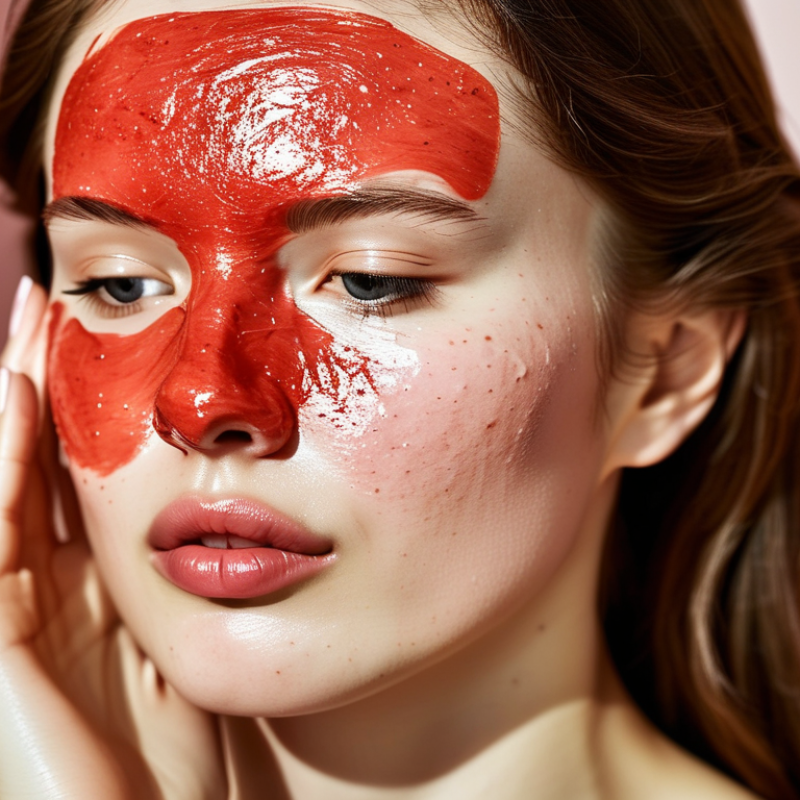
How to Choose the Best Red Light Mask for Your Skin Care?

Understanding Red Light Therapy: Benefits for Skin Care

Red light therapy has gained popularity for its various benefits in skin care. This innovative treatment uses specific wavelengths of light to stimulate cellular function. It helps in promoting collagen production, which is essential for skin elasticity and firmness. Additionally, red light therapy can reduce inflammation, making it effective for conditions like acne and rosacea.

When considering red light therapy, it is important to understand how it interacts with your skin. Different skin types may respond differently to this treatment. For example, those with sensitive skin might experience mild irritation initially. It’s crucial to test a small area before full application. Frequent use and proper protocols will yield the best results, but people often underestimate the time and commitment required.

Choosing the right red light mask is essential. Look for masks that emit consistent light and have adjustable settings. However, not all masks are created equal. Some may have issues with light intensity or distribution. Research is key. Pay attention to user experiences and reviews. They can offer valuable insights.

Key Features to Look for in Red Light Masks

When selecting a red light mask for skin care, focus on several key features. Look for masks with specific wavelengths. Effective red light therapy typically operates within the 600-650 nm range for skin rejuvenation. Additionally, consider the power output. Higher power can mean faster results but may also increase heat. Pay attention to the mask's coverage area. A larger design covers more skin, which might save you time during treatments.

Tips: Ensure the mask has adjustable intensity settings. This allows you to customize your experience based on your skin type and sensitivity. Always check for user reviews and expert opinions. They can provide valuable insights into a mask's effectiveness.

Another critical feature is comfort. A well-fitted mask should feel comfortable on your face. Heavy or poorly designed masks can lead to subpar experiences. Look for masks that are lightweight and easy to wear. Lastly, consider the ease of use. Masks that require little setup or maintenance can save you time and frustration. Always prioritize your skin's safety and comfort during treatments to achieve the best results.

Evaluating Wavelengths: Optimal Settings for Skin Types

When selecting a red light mask, understanding wavelengths is crucial. Different wavelengths penetrate the skin layers variably, affecting various skin types. For instance, a wavelength around 630-670 nm is often ideal for surface issues like fine lines. This range promotes collagen production, making it beneficial for aging skin.

If you have sensitive skin, opting for shorter wavelengths, like 600 nm, may be safer. They can stimulate cellular activity without causing irritation. In contrast, deeper wavelengths, around 850 nm, can address issues like inflammation and acne. These penetrate deeper, reaching the underlying layers. However, they may not be suitable for everyone, especially if you experience discomfort.

It’s essential to consider your unique skin needs. Keep in mind that not every mask will work for everyone. Experimenting with different wavelengths is key. Track your skin's reaction over time. This will help refine your choice. Understanding your skin type and needs will guide your selection process. It can be a journey of trial and error, but the right wavelength might just be what your skin craves.

Comparative Analysis of Top-Rated Red Light Masks

When considering a red light mask, understanding key features is vital. The intensity of the light is paramount. Some masks offer adjustable settings, catering to various skin needs. Others might have a fixed wavelength, which may not suit everyone. A good mask should have a well-balanced spectrum of light, with both red and near-infrared options. This combination can enhance collagen production and promote skin healing.

Materials used in the mask matter too. Look for breathable fabrics that feel comfortable against the skin. Safety certifications from reliable sources can boost trust in the product. While many masks are easy to use, some may not evenly distribute light. Uneven coverage can lead to inconsistent results. Checking customer reviews can help identify these imperfections.

Lastly, consider the mask’s design. Some are lightweight and portable, making them ideal for travel. Others may be bulkier and more suitable for home use. It's important to reflect on how often you will use it and in what circumstances. An effective red light mask should seamlessly integrate into your skincare routine.

Comparison of Top-Rated Red Light Masks for Skin Care

Safety Considerations and Best Practices for Usage

When considering a red light mask for your skincare routine, safety is paramount. Research indicates that well-designed red light therapy devices can be safe for skin use. However, improper use may lead to adverse effects. A study from the Journal of Clinical and Aesthetic Dermatology highlights that users should avoid direct eye exposure. Protective eyewear is essential during sessions. The optimal distance from the mask can vary, but keeping it about six inches away is generally recommended.

Understanding skin type is crucial before starting treatment. Individuals with sensitive skin may require shorter exposure times. Following guidelines from the American Academy of Dermatology, beginners should start with 10-minute sessions. Gradually increasing exposure time can help minimize potential irritation. Overuse may lead to skin redness or discomfort. Regular assessments of your skin’s response are essential for safety.

The quality of the device also impacts safety and effectiveness. Look for masks that are FDA-cleared or clinically tested. Research published in the Journal of Photomedicine and Laser Surgery indicates that higher-quality devices produce more consistent results. While many popular models are accessible, not all are created equal. Always scrutinize user reviews and clinical studies before making a decision.

How to Choose the Best Red Light Mask for Your Skin Care? - Safety Considerations and Best Practices for Usage

Feature Description
Light Wavelength Commonly between 600-650 nm for optimal skin benefits.
Treatment Time 15-20 minutes per session, 3-4 times a week suggested.
Safety Features Look for masks with automatic shut-off timers and eye protection.
Skin Types Effective for all skin types; however, sensitivity may vary.
User Reviews Check for positive outcomes regarding firmness, texture, and reduction in signs of aging.
Maintenance Regular cleaning and proper storage to maintain device longevity.

Article Source: