
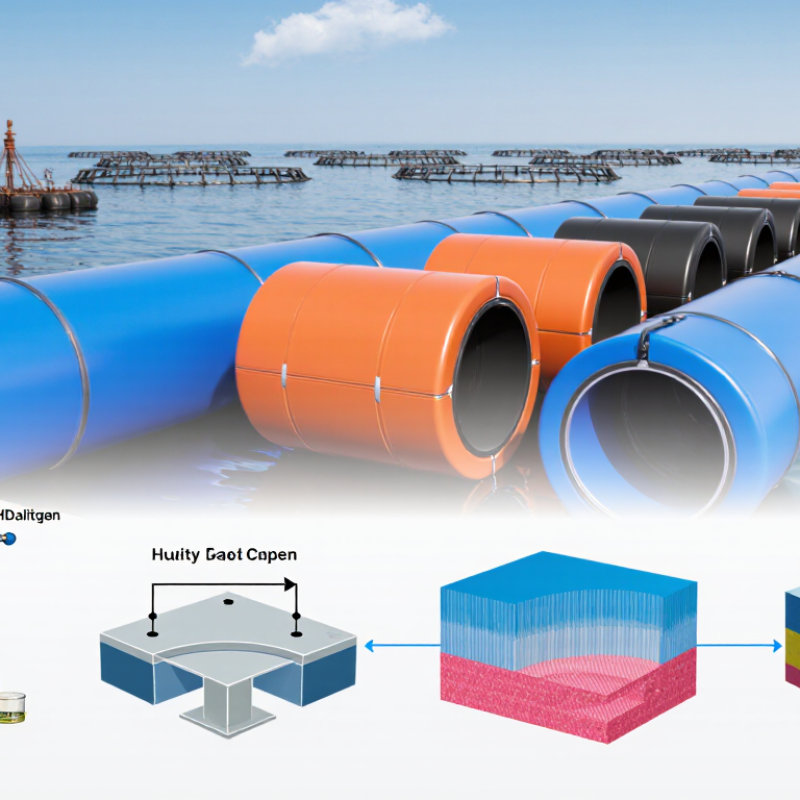
An HDPE floater is a hollow, buoyant structure made from high-density polyethylene.
It supports floating walkways, pontoons, aquaculture cages, and temporary work platforms.
It stays afloat.
HDPE resists moisture, corrosion, sunlight, and many common chemicals. Rotational molding can create thick, seamless walls with fewer weak joints. Internal ribs may improve stiffness, but design choices depend on load and water conditions.
In marinas, floaters carry people, small boats, and utility lines above changing water levels.
In fish farms, modular units support nets and service paths near saltwater.
Construction projects may use them for access across calm rivers or reservoirs.
Engineers should calculate dead load, live load, waves, wind, and connection forces before installation. A floater can look stable but perform poorly when joints flex.
Global buyers should check dimensions, buoyancy, wall thickness, UV stabilization, anti-slip surfaces, and hardware compatibility.
Request material certificates, load calculations, and inspection records.
Samples can reveal warping, brittle corners, or uneven molding. Not every floater suits every climate.
I would not trust buoyancy claims without a clear testing method.