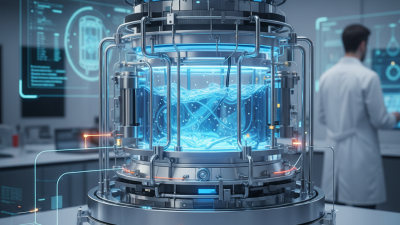
Choosing the best liquid nitrogen storage system in 2026 requires more than comparing tank capacity or purchase price. Laboratories must protect valuable samples through temperature stability, reliable insulation, and consistent monitoring. A tank may look impressive on a specification sheet, yet perform poorly when its lid is opened repeatedly during busy workdays.
The right system depends on sample volume, access frequency, facility layout, and available staff expertise. Vacuum-insulated vessels, automated fill systems, and remote alarms can reduce avoidable temperature risks. However, advanced features do not replace trained handling, documented inspections, or a clear emergency plan. Small details matter. A loose lid, blocked sensor, or delayed refill can threaten years of research.
This guide examines current storage options through practical laboratory experience, technical performance, safety expectations, and long-term operating costs. It considers temperature uniformity, vapor-phase storage, liquid consumption, alarm reliability, maintenance access, and manufacturer support. Independent testing and recognized quality practices should guide the final decision, rather than marketing language alone.
No system is flawless. Real facilities face power interruptions, changing sample inventories, and occasional human error. That reality deserves attention. The best choice is not always the largest or most automated model. It is the system that preserves samples reliably, supports responsible operation, and remains manageable over many years. This comparison will help readers assess those trade-offs with clearer expectations.
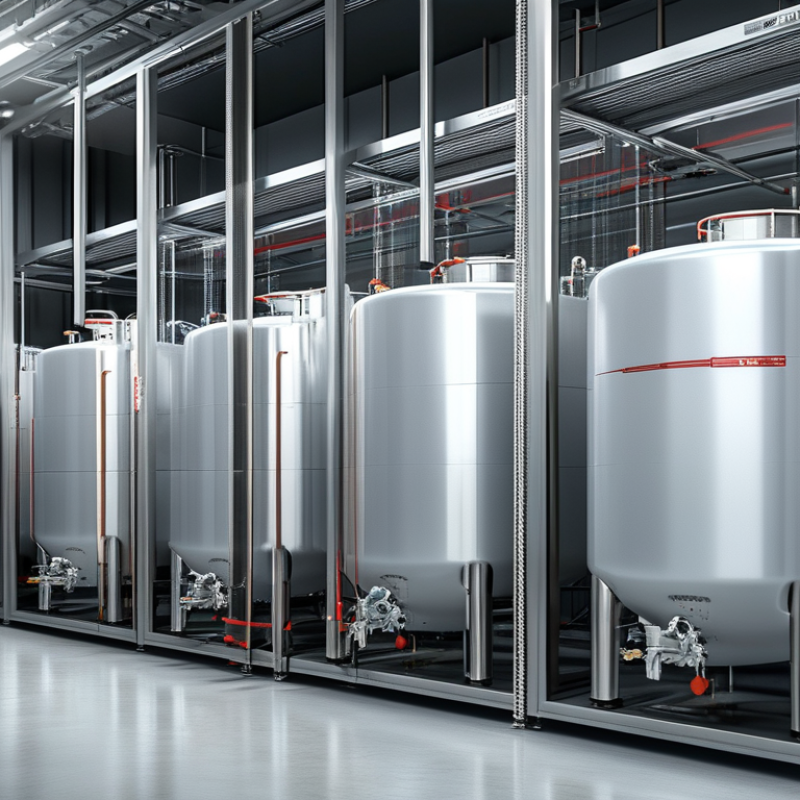
Liquid nitrogen boils at approximately −196°C under normal atmospheric pressure. Storage systems must preserve that temperature consistently, not only during routine operation. Vacuum insulation, suitable internal materials, and secure lids reduce heat transfer and unnecessary nitrogen loss. For vapor-phase storage below −150°C, confirm the actual sample temperature at the rack level. A chamber display alone may not reflect conditions inside crowded storage areas.
Sample quantity, retrieval frequency, and refill access also shape the correct system. Frequent opening can raise temperatures quickly. Choose temperature monitoring with visible alarms, remote alerts, and independent backup checks. Pressure relief must function correctly, while the room needs effective ventilation and oxygen monitoring. Staff should use cryogenic gloves, face protection, and documented handling procedures. Small errors matter.
Tips: Measure the sample zone. Test alarms regularly. Record refill intervals and temperature changes. Keep an emergency response plan nearby. In practice, the first specification is rarely perfect. A system that looks efficient may waste nitrogen when opened repeatedly. Review real usage after installation, then adjust rack loading, access routines, and monitoring limits. This practical review often reveals weaknesses that laboratory drawings miss.
What Is the Best Liquid Nitrogen Storage System in 2026?
Compare Dewars, −196°C Cryogenic Freezers, and Automated Storage Systems
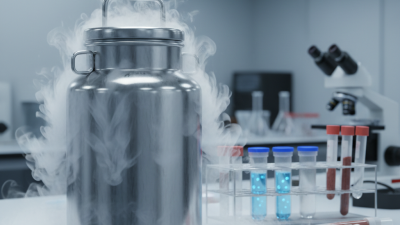
Choosing the best liquid nitrogen storage system depends on sample volume, access frequency, and staffing. Dewars remain practical for smaller collections. They use passive insulation and need regular refilling. A well-maintained vessel can preserve samples reliably, but temperature checks and liquid-level records require discipline. Small laboratories may prefer this simplicity. Manual handling still creates opportunities for misplaced racks or incomplete logs.
−196°C cryogenic freezers offer deeper capacity and stronger temperature stability. They suit laboratories storing many vials for long periods. Liquid-phase storage surrounds samples with nitrogen, while vapor-phase storage may reduce cross-contamination concerns. The difference matters. Operators should verify actual chamber temperatures, alarm response, lid seals, and emergency procedures. A freezer is not automatically safer because it is larger. Poor ventilation can allow oxygen levels to fall, so monitoring and staff training remain essential.
Automated storage systems add robotic retrieval, barcode tracking, and controlled access. They can reduce search time and improve chain-of-custody records. These systems require more planning, software validation, and maintenance support. A failed sensor or software interruption may delay retrieval. That risk is easy to underestimate. In practice, I would compare recovery plans, backup power, refill capacity, and service response before choosing automation. The most expensive system may still be unsuitable for a small team with limited technical support.
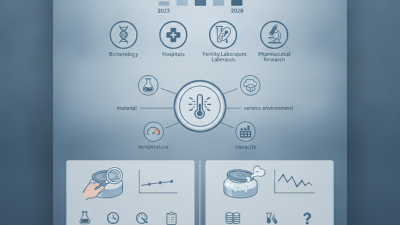
Comparison of Dewars, −196°C cryogenic freezers, and automated liquid-nitrogen storage systems. Capacity figures are representative estimates for 2 mL cryovials and vary by vessel size, rack configuration, and usable storage volume.
How to read the chart: Dewars generally provide the lowest cost and flexible access but require frequent manual handling and liquid-nitrogen refilling. −196°C cryogenic freezers offer higher organized capacity with stable cryogenic conditions. Automated systems can store the largest number of samples while improving inventory control and reducing routine manual handling, but they require greater installation and maintenance investment.
Typical capacity ranges shown: Dewars 0.2–2 thousand vials, cryogenic freezers 5–30 thousand vials, and automated storage systems 50–500 thousand vials. Liquid or vapor-phase nitrogen storage operates near −196°C or within a cryogenic range below −150°C, depending on system design.
The best liquid nitrogen storage system balances capacity, hold time, and static evaporation. A large vessel is not automatically efficient. Its insulation quality, neck design, vacuum stability, and lid seal matter more during daily operation. For many laboratories, a static evaporation rate below 1% per day is a practical benchmark. However, published figures must be checked carefully. Test conditions can differ from real storage rooms.
Capacity should match actual usage, not an optimistic forecast. A 30-liter vessel may suit moderate sample storage, while larger facilities may need 100 liters or more. Hold time becomes critical during weekends, transport delays, or unexpected access restrictions. I recommend comparing usable capacity rather than total volume. Measure refill frequency for several weeks. Real data often exposes assumptions that looked reasonable on paper.
Tips: Request test results for static evaporation, working capacity, and hold time. Confirm the liquid level measurement method. Keep the vessel away from heat sources and unnecessary opening. Record refill dates and room temperature. Small habits help preserve performance.
One detail is easy to miss. Static evaporation below 1% per day does not guarantee the same result during frequent access. Repeated lid opening increases nitrogen loss. In practice, the “best” system may be the one staff can monitor consistently, even if its rated capacity is slightly smaller. Reliability is partly engineering, and partly discipline.
The best liquid nitrogen storage system is defined by risk controls, not capacity alone. OSHA’s 29 CFR 1910.146 identifies atmospheres below 19.5% oxygen as oxygen-deficient. A practical system should use calibrated oxygen sensors near breathing zones, with alarms activating before that limit. NIOSH FACE investigations have repeatedly linked cryogenic incidents to poor ventilation, unexpected releases, and inadequate training. Sensors need documented bump tests, clear alarm beacons, and backup power where failure could endanger people.
Pressure protection deserves equal attention. CGA P-12 guidance emphasizes safe cryogenic handling, including unobstructed vent paths and suitable pressure-relief devices. Every storage vessel, transfer hose, and isolated pipe section needs protection against trapped liquid and thermal expansion. Relief outlets should discharge into safe locations, away from doors, air intakes, and occupied work areas. NFPA 55 also supports ventilation and separation controls for compressed and cryogenic gases. Do not treat a room fan as a complete safety design. Its airflow must match the credible release scenario.
Tips: Specify alarms, ventilation testing, relief-device inspection, and emergency response drills during procurement. Ask for maintenance records, not only certificates. A spreadsheet can appear compliant while a blocked louver remains unnoticed. I would also challenge sensor placement near the ceiling; nitrogen may mix unpredictably during a rapid release. The design should be reviewed by a qualified safety engineer, then tested under realistic operating conditions. Small gaps remain possible. That is why independent verification matters.
What Is the Best Liquid Nitrogen Storage System in 2026?
Choosing the best liquid nitrogen storage system starts with total cost, not the purchase price. A lower quote may hide higher nitrogen consumption, frequent servicing, or expensive monitoring upgrades. Calculate five-year costs, including installation, refilling, alarm testing, energy use, and staff training. Ask for documented performance data under real operating conditions. Small details matter.
Monitoring should show liquid level, temperature, pressure, access status, and alarm history. Remote alerts can reach trained staff before a storage problem becomes a sample-loss event. Use independent alarm verification and maintain a clear response procedure. A screen is not enough. Test it.
Compliance should shape the design from day one. Review applicable workplace, transport, fire-safety, and recordkeeping requirements in your location. Keep calibration certificates, inspection logs, maintenance records, and training evidence. The system should support safe ventilation and controlled access. I would also question vague claims about “continuous protection.” No system removes every operational risk. Scalability requires more than extra tank capacity. Check floor loading, ventilation, refill access, electrical connections, data integration, and future room layout. Modular storage may reduce disruption, but it can increase monitoring complexity. A pilot installation can reveal awkward workflows before expansion. That extra step may feel slow, yet it often exposes assumptions that a spreadsheet misses.
The best system depends on sample volume, refill frequency, alarm requirements, available infrastructure, and the consequences of a temperature excursion. The figures below are practical 2026 planning ranges for equipment selection and should be confirmed with qualified suppliers and site-specific safety professionals.
| System Type | Typical Usable Capacity | Approximate 2026 Equipment Cost (USD) | Typical LN₂ Consumption | Monitoring Capability | Temperature / Level Protection | Compliance and Safety Considerations | Scalability | Best-Fit Application | Overall Selection View |
|---|---|---|---|---|---|---|---|---|---|
| Manual-Fill Storage Dewar | Approximately 20–100 L per vessel; commonly used for smaller sample inventories. | Approximately $1,500–$6,000 per vessel, excluding delivery, installation, and recurring nitrogen supply. | Generally low to moderate; static holding time often ranges from several weeks to multiple months, depending on vessel size, design, access frequency, and ambient conditions. | Usually limited to manual inspection. Optional standalone temperature or level sensors may be added. | Relies heavily on operator checks, documented fill schedules, secure lids, and correct sample placement. | Requires oxygen-deficiency risk assessment, adequate ventilation, cryogenic personal protective equipment, staff training, and written handling procedures. |
Low to medium Scaling normally requires additional vessels and more manual oversight. |
Small laboratories, teaching facilities, limited research collections, and backup storage. |
Lowest entry cost Suitable when sample volume and monitoring requirements are modest. |
| High-Capacity Manual-Fill Cryogenic Tank | Approximately 100–500 L per tank, with capacity depending on rack configuration and sample format. | Approximately $6,000–$20,000 per tank, excluding room modifications, accessories, and installation. | Moderate; actual consumption varies with tank construction, lid opening frequency, storage temperature, and ambient heat load. | Basic level indicators are common. Electronic temperature, level, and fill-history monitoring may be available as options. | Improved thermal stability and longer holding time than small dewars, but loss of nitrogen can still occur if refill intervals are missed. | Requires documented inspections, cryogenic handling procedures, ventilation controls, emergency response planning, and inventory management. |
Medium Additional tanks can be added, but monitoring and refill processes may become fragmented. |
Biobanks, university laboratories, fertility laboratories, and research groups with medium-sized inventories. |
Balanced value A practical choice when capital cost must remain controlled and manual operations are acceptable. |
| Automated Fill Cryogenic Storage System | Approximately 100–1,000 L per tank or connected storage unit. | Approximately $15,000–$60,000 per system, including typical control hardware but excluding major facility upgrades. | Moderate to high total consumption, although automated filling helps maintain stable conditions and reduces dependence on manual refilling. | Continuous or scheduled monitoring of temperature, liquid level, fill status, alarms, and system faults is typically available. | Automatic filling, low-level alarms, high-temperature alarms, sensor fault notifications, and configurable local or remote alerts. | Supports stronger documentation and auditability. The installation still requires validated procedures, alarm testing, electrical review, ventilation assessment, and staff training. |
High Additional tanks, sensors, and monitoring points can generally be integrated into a controlled storage program. |
Research hospitals, clinical laboratories, core facilities, and collections where downtime or sample loss is costly. |
Best for continuity Strong option when reliable operation and reduced manual intervention are priorities. |
| Bulk Supply Tank with Distribution Network | Commonly approximately 1,000–10,000+ L of bulk supply, feeding one or more storage units. | Approximately $50,000–$250,000+ for tank, piping, controls, installation, and site work; project costs vary substantially. | High total consumption, but centralized supply can reduce repetitive manual deliveries across multiple storage locations. | Centralized monitoring may include tank level, pressure, supply status, automated fill events, alarm relay, and facility-level notifications. | Supports automated replenishment and coordinated alarms; redundant supply and emergency reserve planning may be added. | Requires detailed engineering review, pressure-system controls, oxygen-deficiency monitoring, separation and access controls, documented maintenance, and emergency procedures. |
Very high Most suitable for multi-room, multi-department, or campus-scale storage programs. |
Large biobanks, pharmaceutical research sites, hospitals, manufacturing facilities, and centralized sample repositories. |
Best for large scale High initial investment can be justified when many storage units share a reliable nitrogen infrastructure. |
| Modular Connected Cryogenic Storage Network | Typically 200–5,000+ L of combined storage, configured from multiple monitored units. | Approximately $40,000–$200,000+, depending on the number of units, monitoring architecture, automation, backup systems, and installation requirements. | Moderate to high, with consumption distributed across multiple tanks and potentially optimized through centralized scheduling. | Networked monitoring can provide role-based access, continuous readings, alarm escalation, event logs, remote notifications, and trend analysis. | Multiple monitored vessels, independent alarms, backup power for control equipment, and optional redundancy improve resilience. | Supports electronic records and documented corrective actions, but cybersecurity, user permissions, validation, data retention, and change control should also be addressed. |
Excellent Capacity can be expanded by adding compatible storage units and monitoring points. |
Growing biobanks, multi-site research programs, regulated laboratories, and facilities requiring centralized oversight. |
Best for future growth Particularly attractive when phased expansion and centralized visibility are more important than the lowest initial cost. |
Cost ranges are planning estimates in 2026 U.S. dollars and exclude taxes, nitrogen supply contracts, building work, electrical service, ventilation upgrades, oxygen-deficiency monitoring, validation, maintenance, and sample-management software. Liquid nitrogen consumption depends on vessel design, ambient temperature, access frequency, fill strategy, insulation condition, and operating practices. Any installation should be reviewed against applicable local fire, occupational-safety, pressure-equipment, medical-device, laboratory, and data-governance requirements.