Choosing the best cryostorage tank in 2026 is not simply a question of capacity or purchase price. It is a risk-management decision involving temperature stability, sample density, operating cost, and recovery time. A tank that looks efficient in a catalogue may waste space through narrow canisters or consume more liquid nitrogen than expected.
Market forecasts show why this decision deserves closer attention. MarketsandMarkets’ Cryogenic Equipment Market report projects continued growth through 2029, driven by biotechnology, healthcare, and research infrastructure. Grand View Research also identifies biological sample preservation as a major application within the expanding cryogenic storage sector. However, these reports use different market boundaries and assumptions. Their figures should guide planning, not replace site-specific testing.
The practical choice usually involves three designs: liquid-phase, vapor-phase, and high-efficiency automated systems. Liquid-phase models offer strong thermal stability, but they can increase handling exposure and nitrogen consumption. Vapor-phase tanks may reduce direct contact with liquid nitrogen, while demanding careful monitoring near the upper storage zone. Automated systems improve traceability and alarm response, yet their controls, batteries, and service contracts add complexity.
Small details matter. A 2,000-vial inventory can behave very differently from 20,000 vials stored in the same footprint. Door-opening frequency, canister loading, ambient heat, and refill delays all affect real performance. ISBER best-practice guidance emphasizes validated temperature control, inventory governance, maintenance, and contingency planning. That sounds simple. It is not.
The most reliable selection process compares usable capacity, static evaporation rate, hold time, alarm capability, and total ownership cost. It should also assess ventilation and oxygen-deficiency safeguards. No single tank type wins everywhere. The “best” option is the one that protects samples consistently, supports staff safely, and remains serviceable when operations become imperfect.
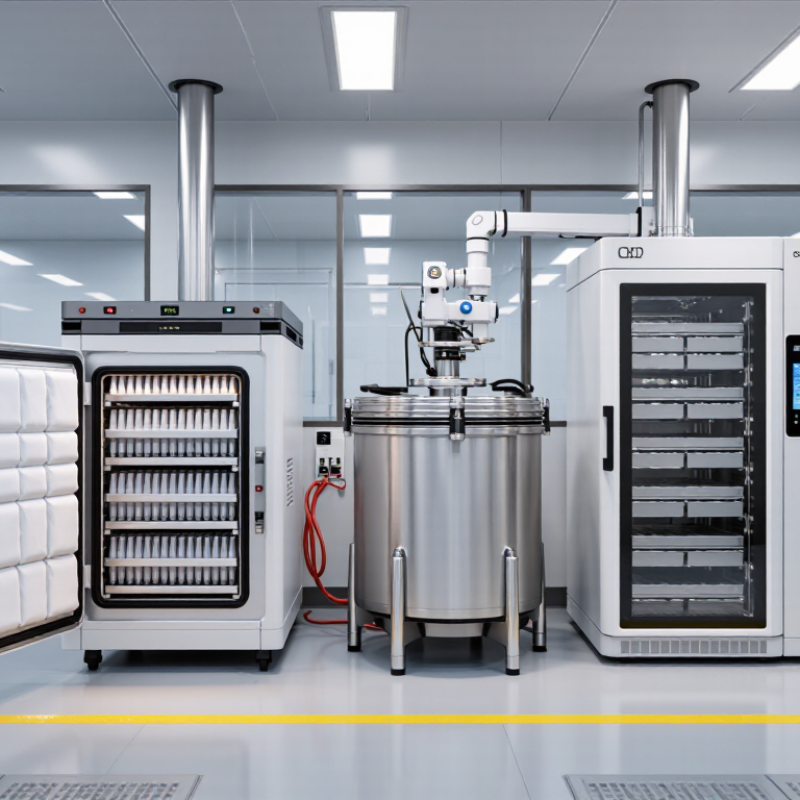
Cryostorage Tanks: Purpose, Design, and Core Operating Principles
Cryostorage tanks preserve biological materials at ultra-low temperatures, often near -196°C with liquid nitrogen. This environment slows cellular and molecular activity to nearly negligible levels. Samples may include cells, tissues, reproductive materials, or research specimens. Their value depends on stable temperature, controlled access, and careful inventory management.
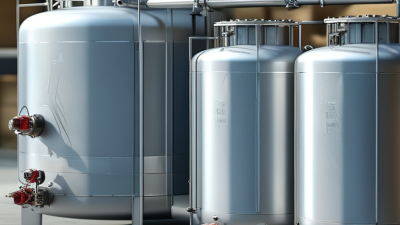
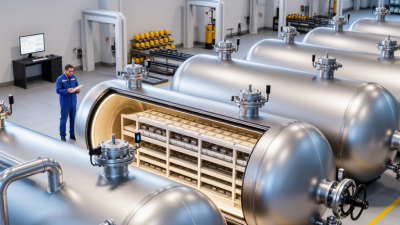
A modern tank usually contains a vacuum-insulated outer jacket, an inner storage vessel, neck tubes, racks, and a pressure-control system. The vacuum layer reduces heat transfer, while the narrow neck limits nitrogen evaporation. Vapor-phase storage can reduce direct liquid contact and cross-contamination concerns. Liquid-phase storage offers strong thermal stability, but it requires stricter handling procedures. Neither design is automatically best.
During operation, staff monitor nitrogen levels, temperature trends, alarms, and refill intervals. A tank should keep samples below the validated temperature limit during routine use and short power interruptions. Redundant alarms matter. So does an emergency transfer plan. In practical inspections, small issues often appear first: a loose lid, frost around the neck, or an unclear sample label. I once underestimated how quickly poor labeling could undermine an otherwise excellent storage system. That remains a useful warning. The best tank type in 2026 depends on sample sensitivity, storage duration, facility ventilation, automation needs, and trained personnel. A larger tank may reduce refill frequency, yet it can complicate access and emergency movement. Technology helps, but it does not replace disciplined checks.

Cryostorage tank selection depends on the cryogen, target temperature, pressure-control requirements, and whether samples are stored in liquid or vapor phase. The chart below compares the approximate normal boiling points of commonly used cryogenic fluids at atmospheric pressure.
Key principle: Liquid nitrogen tanks remain the most common choice for biological sample storage because nitrogen provides a stable cryogenic environment near −196°C. Liquid helium reaches much lower temperatures, but its higher operating complexity and cost generally limit it to specialized applications.
Cryostorage tanks generally fall into liquid-phase, vapor-phase, and mechanical systems. Liquid-phase tanks immerse samples directly in liquid nitrogen, often near -196°C. They provide strong thermal stability, but require careful handling and regular nitrogen replenishment. Vapor-phase tanks store samples above the liquid surface. They reduce direct contact risks, yet temperature mapping becomes more important.
Mechanical cryogenic freezers use compressors instead of stored nitrogen. They can simplify facility logistics and reduce oxygen-displacement concerns. However, they need electricity, preventive maintenance, and backup power.
Some laboratories also use dry shippers for validated transport. These containers maintain cryogenic temperatures for limited periods, rather than serving as permanent storage.
According to Grand View Research’s 2024 cryogenic equipment market report, the sector is projected to expand at roughly 6% annually through 2030. That growth reflects demand from cell therapy, reproductive medicine, biobanking, and pharmaceutical research. It does not mean every laboratory needs the same tank.
ISBER best-practice guidance emphasizes monitoring, alarm systems, inventory control, and documented emergency procedures. In practical use, vapor-phase tanks often suit high-value biological specimens.
Liquid-phase models may offer greater thermal resilience during short interruptions. Mechanical systems can fit sites with limited nitrogen infrastructure. The best choice remains facility-specific.
Temperature uniformity matters.
A common mistake is comparing purchase price alone. Energy use, floor loading, refill frequency, validation work, and recovery planning can change the long-term cost. Data reports provide useful direction, but local operating evidence should decide the final selection.
What Is the Best Cryostorage Tank Type in 2026?
Key Criteria for Comparing Cryostorage Tank Performance
The best cryostorage tank depends on specimen volume, access frequency, and acceptable temperature risk. No single design fits every laboratory. Liquid-phase tanks keep samples immersed in nitrogen, while vapor-phase systems reduce direct contact with liquid. Each option creates different handling and monitoring demands.
Compare static evaporation rate, usable capacity, and hold time under real operating conditions. A tank holding 2,000 vials may provide less practical space after racks and safety gaps are installed. Measure temperature recovery after the lid opens. Frequent access can expose samples to brief but repeated warming events. Details matter.
A reliable evaluation also includes vacuum integrity, neck design, alarm response, and backup power requirements. Check whether sensors remain accurate near the lowest storage position. Review service records, calibration evidence, and documented failure tests. Ask how staff will retrieve samples wearing gloves and face protection. Difficult access encourages rushed handling. That assumption fails.
Performance claims can look impressive on paper. Actual results may change with room temperature, filling habits, and user training. I would record nitrogen consumption for several weeks before approving a purchase. One early measurement is not enough. Consider automatic monitoring, clear inventory access, and a recovery plan for unexpected temperature changes. A smaller tank with stronger monitoring may protect valuable specimens better than a larger, poorly managed unit.
| Comparison Criterion | Liquid-Phase LN₂ Tank | Vapor-Phase LN₂ Tank | Mechanical Cryogenic Storage System | Dry-Vapor Shipping Container |
|---|---|---|---|---|
| Primary Storage Principle | Samples are stored directly in liquid nitrogen at cryogenic liquid temperature. | Samples are stored above the liquid nitrogen reservoir in a controlled cold vapor environment. | A closed-cycle mechanical refrigeration system removes heat without routine liquid nitrogen filling. | A vacuum-insulated vessel is charged with liquid nitrogen and maintains a dry vapor environment during transport. |
| Typical Sample Temperature | Approximately −196°C; temperature is highly uniform when samples remain submerged. | Typically about −190°C to −150°C, depending on rack position, loading, and tank design. | Commonly approximately −150°C to −80°C, depending on the system and operating set point. | Usually below −150°C after conditioning; exact temperature depends on the container and shipment duration. |
| Temperature Uniformity | Very high in the liquid zone; rack arrangement and liquid level still require monitoring. | High when properly loaded; vertical and radial gradients should be mapped during qualification. | Generally stable after equilibrium, but temperature gradients may occur during loading, recovery, or power interruption. | Variable during transit; the payload zone should be qualified using temperature data loggers. |
| Typical Capacity Range | Approximately 10–2,000+ L, with capacity depending on canister design and tank geometry. | Approximately 10–2,000+ L, including high-density automated inventory systems. | Commonly about 100–1,500 L; larger systems may require modular or engineered installations. | Typically about 2–80 L of usable payload volume, depending on the transport format. |
| Liquid Nitrogen Requirement | Required for initial charging and ongoing replenishment; consumption rises with access frequency and ambient heat load. | Required for initial charging and ongoing replenishment; generally designed to reduce direct sample contact with liquid. | None during normal operation; nitrogen may be used as an emergency backup in some hybrid configurations. | Required for pre-conditioning and shipment preparation; it is not normally refilled during transit. |
| Typical Hold-Time or Autonomy | Approximately 30–180 days between fills for many passive tanks; actual hold time depends on size, insulation, and usage. | Approximately 30–150 days between fills for many passive tanks; automated systems can be connected to a bulk supply. | Continuous operation while powered; emergency autonomy commonly ranges from several hours to several days with validated backup systems. | Commonly about 5–30 days, depending on container size, conditioning quality, ambient conditions, and handling. |
| Energy Consumption | No electrical cooling power during normal passive operation; monitoring and automatic-fill equipment may require power. | No electrical cooling power during normal passive operation; automation and alarms may require power. | Electrical power is required continuously; connected load commonly ranges from hundreds of watts to several kilowatts. | No electrical power during normal transport; electronic monitoring devices may use batteries. |
| Sample Exposure Risk | Direct immersion can increase the importance of sealed, leak-resistant sample containers and contamination controls. | Lower direct-contact risk because samples remain in vapor; moisture and cross-contamination controls are still required. | No liquid nitrogen contact; mechanical failure, door openings, and recovery events must be controlled. | Low direct-contact risk when properly conditioned and loaded; shipping impact and handling remain important risks. |
| Monitoring and Alarm Needs | Liquid-level measurement, temperature monitoring, fill alarms, oxygen-deficiency monitoring, and access records are recommended. | Temperature and liquid-level monitoring, fill alarms, oxygen-deficiency monitoring, and inventory tracking are recommended. | Continuous temperature, compressor or refrigeration status, power-failure, door-open, and backup-system alarms are essential. | Temperature logging, shipment tracking, impact monitoring, and verification of pre-shipment conditioning are recommended. |
| Facility Requirements | Well-ventilated room, oxygen-deficiency risk assessment, suitable floor loading, and safe nitrogen handling procedures. | Well-ventilated room, oxygen-deficiency risk assessment, suitable floor loading, and automated supply infrastructure for large installations. | Reliable electrical supply, heat rejection or room cooling, service access, backup power, and alarm integration. | Controlled staging area, safe nitrogen handling, approved transport procedures, and compliance with applicable shipping regulations. |
| Maintenance Profile | Periodic inspection, vacuum-performance checks, neck and lid inspection, level-sensor verification, and planned defrosting or cleaning. | Periodic inspection, vacuum-performance checks, temperature mapping, sensor verification, and cleaning of the storage interior. | Preventive service for refrigeration components, filters, sensors, compressors, software, and backup systems. | Inspection for vacuum integrity, neck damage, seals, absorbent material, valves, and shipping accessories. |
| Operational Cost Pattern | Lower equipment complexity but recurring nitrogen, delivery, ventilation, monitoring, and handling costs. | Recurring nitrogen and infrastructure costs; automation can reduce manual labor and improve inventory control. | Higher electrical, service, and capital costs; lower routine nitrogen logistics and reduced dependence on deliveries. | Cost is concentrated in conditioning, specialized transport, monitoring, handling, and turnaround logistics. |
| Best-Fit Use Case | Long-term storage where the lowest achievable temperature and high passive autonomy are priorities. | Long-term biobank storage where reduced liquid contact, automation, and high-density inventory management are priorities. | Facilities seeking to minimize liquid nitrogen logistics and maintain centralized monitoring with suitable power and backup capacity. | Validated transport of cryogenic biological materials between facilities or research locations. |
| Main Limitation | Requires regular nitrogen supply, safe ventilation, and protection against oxygen-deficiency hazards. | Vapor temperature can vary with loading and liquid level; qualification is required for critical samples. | Dependence on electrical power and mechanical components creates a need for robust backup and service support. | Designed for transport rather than routine high-density storage; hold time is limited and handling-sensitive. |
| Overall 2026 Selection Priority | Choose when maximum cold reserve, passive operation, and liquid-phase temperature are more important than nitrogen logistics. | Choose when sample safety, automation, traceability, and scalable biobank operations are the main priorities. | Choose when reducing nitrogen dependence and integrating refrigeration into a powered facility outweighs higher technical complexity. | Choose only for transport or temporary staging, not as the primary long-term storage platform. |
Note: Values are representative industry ranges rather than guaranteed specifications. Actual performance depends on vessel size, insulation condition, ambient temperature, sample load, access frequency, liquid nitrogen quality, power quality, maintenance, and validation results. Critical storage programs should qualify temperature mapping, alarm response, backup capacity, and recovery performance before routine use.
The best cryostorage tank depends on inventory size, access frequency, and facility resilience. A small laboratory usually benefits from a compact vapor-phase tank. It uses less floor space and reduces unnecessary liquid nitrogen handling. For frequent sample retrieval, wide-neck designs can save time. They may, however, increase evaporation and maintenance demands.
Medium facilities often need a balanced system. A larger vapor-phase tank with automated level monitoring supports routine biobanking and clinical research. It also leaves room for moderate growth.
Large repositories need high-capacity tanks, duplicate units, and independent alarm systems. Liquid-phase storage offers strong thermal stability, but it requires stricter handling controls. Vapor-phase storage is often easier for organized sample access.
The neatest answer is not always the right one. Grand View Research’s 2024 market analysis projected roughly 5% annual growth for the global cryogenic tanks market through 2030. That growth reflects expanding biological storage demand, not one universal tank design. ISBER’s 2024 best-practice guidance emphasizes continuous monitoring, documented maintenance, and emergency planning. These details matter more than a tank’s advertised capacity. A 2,000-vial system can become inadequate quickly. I would also question any selection based only on today’s inventory. Leave physical space for handling, backup power, ventilation, and future expansion. Some facilities underestimate retrieval traffic. That mistake can create operational pressure long before the tank is full.
What Is the Best Cryostorage Tank Type in 2026?
Safety, Maintenance, Costs, and Future Technology Trends
The best cryostorage tank depends on sample volume, access frequency, and facility conditions. Vapor-phase tanks reduce direct liquid contact and can limit cross-contamination risks. Liquid-phase systems often provide strong temperature stability, but they require careful oxygen monitoring. A tank is never “set and forget.” Alarm testing, pressure checks, and temperature recording should follow written procedures. Small failures can become expensive quickly.
Maintenance costs include liquid nitrogen use, sensor replacement, inspections, and staff training. Energy-efficient designs may cost more initially, yet they can reduce long-term consumption. Remote monitoring is becoming more practical in 2026. It can send alerts when temperatures rise, oxygen levels fall, or refill schedules change. However, connected systems still need manual checks. Technology does not remove responsibility. That assumption deserves more scrutiny.
Tips: Match capacity to real growth, not optimistic forecasts. Keep backup storage available during repairs. Test alarms under controlled conditions. Record every refill and inspection. Ask whether replacement parts and technical support remain accessible. Review emergency procedures with staff twice yearly. A clear paper log still matters. My practical preference is a vapor-phase system for sensitive biological materials, but site-specific validation remains essential. Budget models often underestimate training time and emergency response costs.