Blog

2026 Best POY Spinning and Winding Machine Suppliers?

Choosing among the 2026 best POY Spinning And Winding machine suppliers takes more than comparing brochures. A reliable line must produce consistent partially oriented yarn while maintaining stable winding, package shape, and production efficiency. In practice, buyers should examine denier variation, take-up performance, energy use, changeover time, and access to spare parts. Small details matter.

W. Edwards Deming, a manufacturing quality expert, said, “Quality is everyone’s responsibility.” That principle fits supplier selection: machine design, installation, operator training, and after-sales support all affect the finished package. Ask vendors for references from comparable plants, documented performance data, and clear commissioning plans. Where possible, inspect a running line and examine the packages, not just the control screen.

This guide compares suppliers through practical criteria, including equipment configuration, automation, service coverage, and lifecycle costs. It also considers whether a supplier can adapt to your polymer, production targets, and factory conditions. No ranking can replace a plant-specific assessment. A polished presentation may hide unanswered questions about response times or maintenance needs. That is worth questioning. Use the shortlist to start a technical discussion, then verify claims with your own process team before investing in POY Spinning And Winding equipment.
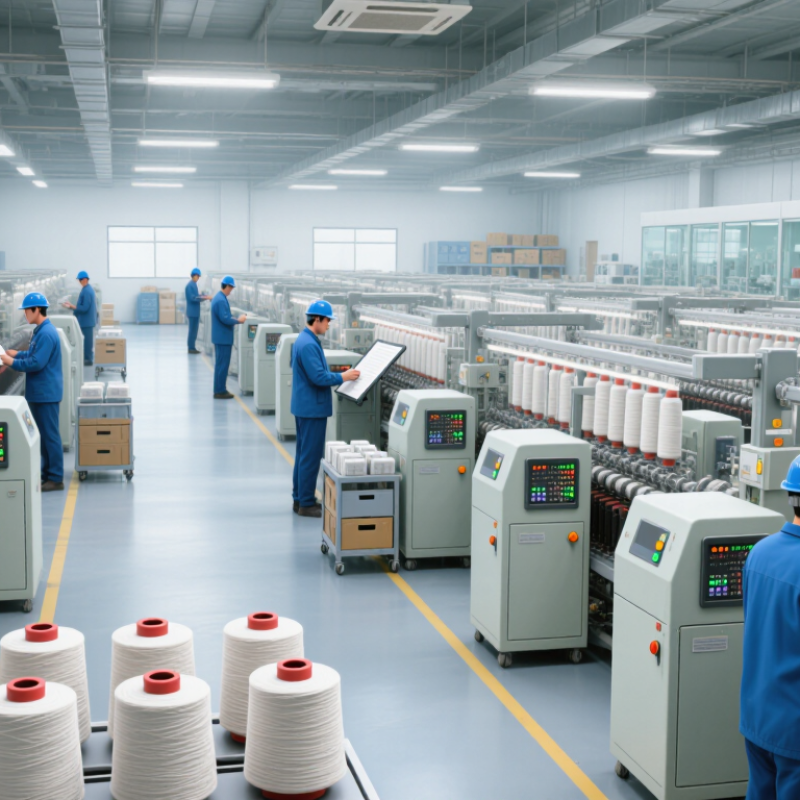
2026 Best POY Spinning and Winding Machine Suppliers?

What Is a POY Spinning and Winding Machine?

A POY spinning and winding machine converts molten polymer into partially oriented yarn and winds it into packages for later processing. Polymer chips are melted, filtered, and pushed through a spinneret, whose small holes form continuous filaments. Cooling air solidifies them. A finish applicator adds a controlled lubricant layer, while godet rollers regulate filament speed and draw. The winder then lays the yarn onto a tube with consistent tension. Small changes matter. Uneven cooling or tension can cause package defects and inconsistent downstream texturing.

POY means partially oriented yarn: the filaments have some molecular alignment, but typically need further drawing or texturing before becoming finished yarn. The machine’s key controls include melt temperature, throughput, quench airflow, roller speed, and winding tension. Textile Exchange’s Materials Market Report 2024 estimates global fiber production reached 124 million tonnes in 2023, with polyester making up about 57 percent. That scale makes stable, efficient polyester production important, but the report does not measure POY machine performance. Buyers should therefore verify operating data under comparable polymer, denier, and production conditions. A brochure number alone is not enough. Real results can vary with maintenance, operator skill, and local process settings.

How Does a POY Spinning and Winding System Work?

A POY spinning and winding system turns polymer chips into continuous partially oriented yarn. The chips are dried, melted in an extruder, and pushed through a metering pump to a spinneret. Tiny holes shape the melt into filaments. Cooling air solidifies them as they descend through the spinning cabinet.

The filaments then pass through an applicator that adds a measured finish to reduce friction and static. Godet rollers guide and control their speed and tension. This stage matters: uneven cooling or unstable tension can create inconsistent yarn. Small changes matter. The yarn is not fully drawn at this point; its remaining draw potential is developed later, often during texturing.

At the winding station, a traversing guide lays the yarn onto a bobbin while a contact roller supports package formation. Sensors and control systems help maintain winding speed, tension, and package shape. Operators still need to check for filament breaks, uneven edges, and unusual vibration. Automation helps, but it does not catch every process fault. System designs vary, so buyers comparing suppliers should examine throughput, yarn count range, package dimensions, changeover time, and access to service support. A specification sheet alone can leave practical questions unanswered.

What Defines a Leading POY Machine Supplier in 2026?

A leading POY spinning and winding machine supplier in 2026 should understand the full line, not just the machine. POY production depends on steady melt delivery, controlled spinning conditions, and consistent winding. Ask how the equipment handles changes in yarn count, speed, and operating conditions. Request clear specifications for package build, tension control, energy use, and routine maintenance.

Good answers are specific. A supplier should explain commissioning, operator training, spare-parts availability, and how service requests are handled. Ask to see test data and, where possible, observe a trial using similar production requirements. A polished brochure is not proof. No supplier is flawless, and even a well-designed line may need adjustments after installation.

Tips: Compare real operating data, not promises alone. Check package shape and unwinding behavior. Ask which parts need frequent inspection, and get service terms in writing.

Also assess whether the control system gives operators useful alarms and accessible production records. Small details matter. A confusing interface can slow troubleshooting during a shift. Review the proposed layout, utilities, and installation schedule with your own technical team. If a supplier cannot explain a limitation plainly, pause and ask for evidence. The right partner makes performance expectations measurable and supports the line after delivery.

How Can POY Machine Suppliers Be Compared?

Comparing POY spinning and winding machine suppliers starts with your yarn requirements, not a polished catalog. Share the polymer type, target denier, filament count, and planned output. Then ask each supplier to quote the same production conditions. Otherwise, a lower price may simply reflect a different configuration. Small differences matter.

Review measurable performance, including line speed, package build, tension control, and energy use per kilogram. Ask how the supplier checks yarn uniformity and handles broken filaments during operation. Request test results from comparable production conditions, not only best-case figures. For winding equipment, examine package shape and unwinding behavior; a neat-looking package is not enough. Check whether key parts, such as sensors and winding heads, are readily available.

Supplier support deserves equal attention. Compare installation schedules, operator training, troubleshooting response times, and spare-parts plans. Ask to see a sample layout and a clear list of included equipment. One detail is easy to miss: warranty terms may differ for the machine, controls, and wear parts. A site visit or witnessed acceptance test can reveal gaps, though it takes time. No comparison is perfect; write down assumptions before choosing.

2026 Best POY Spinning and Winding Machine Suppliers? - How Can POY Machine Suppliers Be Compared?

Use this neutral checklist to compare supplier proposals for partially oriented yarn (POY) spinning and winding systems. Request data for the same polymer, yarn specification, operating conditions, and acceptance-test method before comparing offers.

Comparison Dimension What to Compare Useful Data or Units How to Verify Why It Matters
Polymer and process compatibility Compatibility with the intended polymer grade, additives, chip preparation, and planned yarn products. Polymer type and grade; moisture limits; extrusion and spinning-process conditions stated in the proposal. Check the process description against the resin supplier’s requirements and request references for comparable materials. Material and process differences can affect yarn consistency, spinning stability, and equipment requirements.
Production capacity Rated and demonstrated output for the proposed number of spinning positions and yarn specifications. Output in kg/h or tonnes/day; number of positions; stated operating hours and product conditions. Ask for a capacity calculation and an acceptance-test protocol that defines how output will be measured. Capacity figures are only comparable when the operating assumptions and yarn products are alike.
Yarn specification range Supported yarn counts and the machine configuration required for each product. Linear density in dtex or denier; filament count; applicable product configurations. Request a product-range matrix and confirm which components or settings change between products. The stated range helps establish whether the equipment can support the planned product mix.
Winding performance Winder operating range, package formation, doffing method, and package handling requirements. Winding speed in m/min; package dimensions and weight; doffing cycle and method. Review operating limits and package drawings; observe a trial or inspect comparable installations where possible. Winding performance influences package uniformity, downstream handling, and production continuity.
Yarn quality consistency How the proposed line controls and measures variation in yarn properties. Specified test methods and target limits for linear density, tenacity, elongation, and package-to-package variation. Agree on sampling, conditioning, test methods, and acceptance limits before a performance test. Common test methods make quality claims measurable and comparable.
Automation and monitoring Included monitoring, alarms, process data logging, recipe handling, and production reporting. List of sensors, recorded variables, alarm functions, data export options, and included software. Request a functional list and demonstrate the operator interface and data export during a factory or site review. Clear monitoring functions can support process control, troubleshooting, and traceability.
Utilities and plant requirements Power, compressed air, cooling, ventilation, and building requirements for the offered configuration. Electrical load; utility consumption; connection conditions; space and environmental requirements. Compare the supplier’s utility schedule with the site’s available capacity and installation drawings. Unaccounted-for utility or building requirements can affect project cost and commissioning schedules.
Reliability and maintenance Maintenance intervals, recommended spares, service access, and expected support arrangements. Maintenance schedule; spare-parts list; stated service response terms; warranty scope and duration. Review the maintenance documentation and contract terms; clarify exclusions, availability, and response commitments. Transparent maintenance and support information helps estimate operating needs over the equipment’s service life.
Installation and commissioning Scope of supply, installation responsibilities, operator training, and commissioning support. Milestone schedule; included services; staffing responsibilities; training hours or sessions. Use a responsibility matrix and confirm deliverables, site prerequisites, and acceptance criteria in writing. Clearly assigned responsibilities reduce gaps between equipment delivery and production start-up.
Commercial and lifecycle cost Total project scope rather than the equipment purchase price alone. Itemized price; exclusions; freight and installation; utilities; spare parts; service and warranty costs. Compare quotations using the same scope, currency, delivery terms, and project assumptions. A consistent cost basis makes supplier proposals easier to evaluate fairly.

Comparison note: The table contains evaluation criteria, not ranked supplier claims or guaranteed machine specifications. Actual performance depends on the machine configuration, polymer, yarn product, operating conditions, and agreed test procedures.

How to Select a POY Spinning and Winding Machine Supplier?

How to Select a POY Spinning and Winding Machine Supplier?

Start with the yarn you need to produce, not the machine’s headline speed. Define polymer type, filament count, denier range, package size, and target output. Then ask suppliers to demonstrate stable winding under your actual operating conditions. Check tension variation, package density, broken-filament rates, and changeover time. Request trial data, not only presentation samples. Small details matter. A neat package can still hide uneven tension.

Textile Exchange’s Materials Market Report 2024 estimates that global fiber production reached 124 million tonnes in 2023, with polyester accounting for about 57%. This scale makes consistent quality and efficient production important, but it does not prove that one machine configuration suits every mill. Compare energy use per kilogram, usable uptime, spare-parts availability, and commissioning support. Ask for documented results from installations with similar yarn specifications, and clarify how performance claims are measured. A polished brochure is not evidence.

Before signing, agree on acceptance criteria, operator training, warranty coverage, and service response times. Inspect the control interface and maintenance access; a sensor that is difficult to reach can slow routine checks. Speak directly with existing users if possible. I would also ask what the supplier would change after seeing your factory layout. Some answers may be imperfect, but that can reveal whether the engineering discussion is real.